

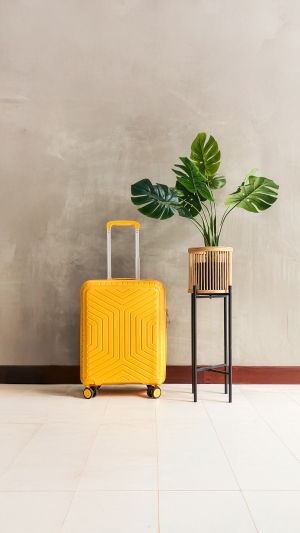
Every traveler knows that a good suitcase can make or break a trip.
You might have the most exciting destination planned, but if your luggage struggles through airports, breaks on arrival, or simply doesn't fit your needs, it can turn a dream journey into a hassle.
Choosing the right suitcase isn't just about looks—it's about durability, convenience, and smart design.
<h3>Consider the Size and Capacity</h3>
Picking the right size is the first step. Too small, and you'll overstuff it; too large, and it becomes cumbersome.
<b>1. Match your trip length:</b> For weekend trips, a carry-on sized suitcase (around 20–22 inches) is often sufficient. For week-long or longer trips, a medium suitcase (24–26 inches) works well, while extended vacations may require a large 28–30 inch option.
<b>2. Think about packing style:</b> If you tend to roll clothes tightly or use packing cubes, you might manage with a slightly smaller bag than someone who prefers laying clothes flat.
<b>3. Check airline regulations:</b> Most airlines have strict carry-on size limits. Choosing a bag that fits within these dimensions prevents last-minute gate checks or fees. For example, a 21-inch carry-on with four spinner wheels often fits airline requirements while offering plenty of space.
<h3>Hard Shell vs. Soft Shell</h3>
Suitcase materials affect weight, durability, and protection of your belongings.
<b>1. Hard shell:</b> Made from polycarbonate or ABS, these suitcases protect fragile items and resist water. They're ideal if you carry electronics, souvenirs, or delicate clothing. For instance, a polycarbonate hard shell with a protective lining can keep a camera safe from knocks.
<b>2. Soft shell:</b> Usually made of nylon or polyester, soft suitcases are lighter and can expand to fit extra items. They often feature external pockets for easy access to travel essentials. A lightweight soft-shell suitcase with multiple compartments is perfect for travelers who like organizing passports, snacks, or chargers separately.
<b>3. Consider a hybrid:</b> Some modern suitcases combine hard and soft materials, offering protection while remaining flexible for packing odd-shaped items.
<h3>Wheels and Mobility</h3>
Mobility can transform your travel experience. Luggage that rolls smoothly reduces strain and saves time.
<b>1. Spinner wheels:</b> Four wheels that rotate 360 degrees allow you to push or pull the suitcase in any direction. This is ideal for busy airports or narrow airplane aisles.
<b>2. Two-wheel suitcases:</b> These are better on uneven surfaces or cobblestone streets, offering better stability but requiring tilting to move.
<b>3. Test the wheels:</b> Before buying, roll the suitcase on smooth and rough surfaces to ensure it glides effortlessly and doesn't wobble. A suitcase with well-built spinner wheels makes airport transfers much easier.
<h3>Handles and Comfort</h3>
Even the smoothest wheels won't help if the handles are uncomfortable or weak.
<b>1. Telescopic handles:</b> Look for sturdy handles that lock at multiple heights. Test for a smooth pull and solid grip.
<b>2. Side and top handles:</b> These are crucial for lifting your luggage into car trunks or overhead compartments. Soft, reinforced handles reduce hand strain.
<b>3. Ergonomics matter:</b> Lightweight, padded handles prevent sore hands on long walks or when lifting your suitcase repeatedly.
<h3>Security and Organization</h3>
Keeping your belongings safe and organized reduces stress while traveling.
<b>1. Zippers and locks:</b> TSA-approved locks are standard for air travel. Double zippers or combination locks offer extra security.
<b>2. Internal compartments:</b> Separate compartments help organize shoes, toiletries, and clothes. A suitcase with built-in dividers and straps prevents items from shifting during travel.
<b>3. External pockets:</b> These are convenient for passports, tickets, or small electronics. For example, a front pocket for chargers or a book lets you access essentials without opening the entire bag.
<h3>Durability and Warranty</h3>
A suitcase is an investment. A durable bag lasts for years and withstands frequent travel.
<b>1. Material quality:</b> High-grade polycarbonate, ballistic nylon, or reinforced fabrics resist tears, dents, and scuffs.
<b>2. Stitching and zippers:</b> Double stitching and high-quality zippers prevent damage during heavy use.
<b>3. Warranty:</b> Many brands offer 5–10 year warranties. A good warranty ensures repairs or replacements if your suitcase fails during travel.
Choosing the right suitcase involves more than picking a pretty design. By considering size, material, wheels, handles, security, and durability, you can invest in luggage that supports stress-free travel. A well-chosen suitcase doesn't just carry your belongings—it carries peace of mind, making every trip smoother and more enjoyable. With these tips, you'll feel confident that your luggage can keep up with every adventure you plan.


