

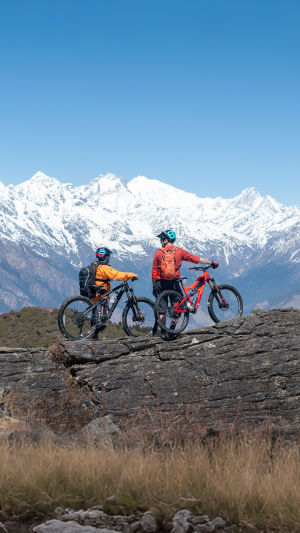
The crunch of gravel under tires, the thrill of a steep descent, and the fresh mountain air—mountain biking is a rush like no other. But the very terrain that excites also demands respect.
Navigating rocky paths, sharp turns, and sudden drops requires preparation, skill, and awareness.
Understanding key safety and performance principles can make every ride both exhilarating and secure.
<h3>Check your bike and gear</h3>
<b>Suspension</b>, <b>Brakes</b>, <b>Helmet and pads</b>
Before heading out, inspect your equipment thoroughly.
1. Ensure your suspension is functioning correctly and adjusted for the terrain.
2. Test brakes to confirm they respond quickly without sticking.
3. Actionable example: give your tires a firm squeeze to check pressure and inspect tread for wear before every ride.
Well-maintained gear prevents accidents and ensures smooth handling on challenging trails.
<h3>Know the trail</h3>
<b>Difficulty level</b>, <b>Obstacles</b>, <b>Weather conditions</b>
Familiarity with the trail helps you anticipate hazards and plan for rest.
1. Study maps or trail apps to understand elevation changes, technical sections, and key turns.
2. Check weather reports to avoid muddy or slippery paths that increase the risk of falls.
3. Actionable tip: for unfamiliar trails, do a slow reconnaissance ride first to identify tricky spots like loose rocks or narrow ledges.
Being aware of the terrain helps prevent surprises and keeps your ride predictable.
<h3>Focus on proper technique</h3>
<b>Body position</b>, <b>Braking</b>, <b>Cornering</b>
Riding skill is just as important as physical endurance.
1. Keep your weight balanced over the bike, with knees and elbows slightly bent to absorb shocks.
2. Use controlled braking—both front and rear—before entering turns, not during.
3. Actionable example: practice leaning into corners while keeping your inside pedal raised to avoid pedal strikes on rocks or roots.
Refining technique improves stability, reduces fatigue, and minimizes the chance of falls.
<h3>Plan for emergencies</h3>
<b>First aid kit</b>, <b>Communication</b>, <b>Backup tools</b>
Accidents can happen even to experienced riders, so preparation is key.
1. Carry a compact first aid kit for minor cuts, scrapes, or insect bites.
2. Ensure your phone or GPS device is charged and within reach for emergency calls.
3. Actionable tip: bring a multi-tool, spare tube, and mini pump to quickly address mechanical problems on the trail.
Being prepared allows you to manage incidents quickly without turning them into serious setbacks.
<h3>Respect trail etiquette</h3>
<b>Yielding</b>, <b>Noise</b>, <b>Environmental care</b>
Sharing trails safely ensures a positive experience for all.
1. Yield to hikers and uphill riders to avoid collisions.
2. Keep noise levels low to maintain wildlife and nature enjoyment.
3. Actionable example: carry a small trash bag to collect any wrappers or debris and leave the trail clean for others.
Practicing good etiquette fosters safety and preserves the natural environment.
<h3>Ride within your limits</h3>
<b>Speed control</b>, <b>Fatigue management</b>, <b>Route selection</b>
Pushing boundaries is fun, but knowing when to slow down is essential.
1. Adjust speed for technical sections, steep descents, or unfamiliar terrain.
2. Take breaks to hydrate and refuel to maintain concentration.
3. Actionable tip: if a trail feature feels beyond your skill level, walk your bike through it rather than risking a fall.
Listening to your body and abilities reduces injury risk and keeps the ride enjoyable.
Mountain biking offers unmatched thrills, but safety and preparation define the quality of the experience. By checking gear, studying the trail, honing technique, planning for emergencies, respecting etiquette, and riding within limits, you can enjoy every twist, turn, and drop with confidence. Over time, these habits become second nature, turning every mountain ride into a rewarding adventure rather than a risk.


