

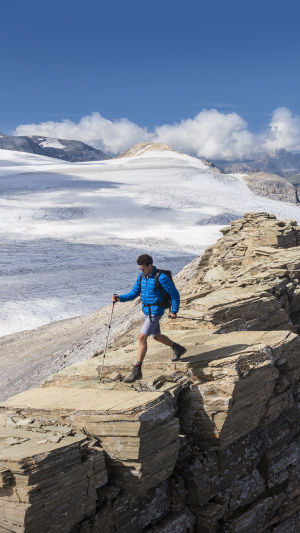
The first step of any hike isn't lacing up your boots—it's deciding where you'll go. A well-planned route can make the difference between an exhilarating adventure and a frustrating trek.
From avoiding tricky terrain to discovering hidden viewpoints, understanding the principles of route planning ensures every step counts.
<h3>Assess your goals and fitness level</h3>
<b>Distance</b>, <b>Elevation</b>, <b>Time commitment</b>
Start by being realistic about what you and your group can handle.
1. Consider your physical fitness and how much elevation gain is manageable without overexertion.
2. Factor in total distance and estimated pace to ensure you finish comfortably before dark.
3. Actionable example: if a trail is 10 kilometers with steep climbs, plan for at least four to five hours including breaks, water stops, and photo opportunities.
Knowing your limits helps prevent exhaustion and keeps the hike enjoyable.
<h3>Research trail conditions</h3>
<b>Weather</b>, <b>Trail surface</b>, <b>Seasonal hazards</b>
Gather information to anticipate challenges and stay safe.
1. Check weather forecasts for potential rain, wind, or temperature swings.
2. Look into trail surface types—rocky, muddy, or sandy conditions affect pacing and footwear choice.
3. Actionable tip: online trail reports and local hiking forums often provide recent updates on obstacles like fallen trees or flooded paths.
Being informed helps avoid unexpected surprises and keeps the adventure smooth.
<h3>Map key points and landmarks</h3>
<b>Trailheads</b>, <b>Water sources</b>, <b>Rest stops</b>
Marking important locations makes navigation easier and more efficient.
1. Identify the start and end points, as well as any junctions where the trail splits.
2. Locate streams, lakes, or shelters where you can refill water or rest.
3. Actionable example: create a simple map with distances between landmarks so you can pace yourself and estimate arrival times at key points.
Knowing the layout increases confidence and reduces the risk of getting lost.
<h3>Consider terrain and difficulty</h3>
<b>Elevation profile</b>, <b>Obstacles</b>, <b>Trail type</b>
Different landscapes require different preparation and gear.
1. Steeper trails need sturdy shoes and possibly trekking poles for balance.
2. Flat trails might allow for faster walking but may be exposed to sun or wind.
3. Actionable tip: if the trail includes river crossings, plan alternative routes or bring waterproof footwear to stay safe and dry.
Adapting to terrain ensures comfort and safety on every hike.
<h3>Plan for emergency and exit options</h3>
<b>Cell coverage</b>, <b>Alternate paths</b>, <b>Emergency contacts</b>
Even on well-marked trails, unexpected situations can arise.
1. Identify spots with cell signal or carry a GPS device for tracking.
2. Mark secondary exits or loops in case you need to cut the hike short.
3. Actionable example: leave a copy of your planned route with a friend or family member and set check-in times for added safety.
Preparing for emergencies gives peace of mind and reduces stress while on the trail.
<h3>Balance challenge with enjoyment</h3>
<b>Scenic views</b>, <b>Wildlife spotting</b>, <b>Rest points</b>
A hike is more than just a physical challenge—it's an experience to savor.
1. Incorporate points of interest like viewpoints, waterfalls, or meadows for breaks and photo opportunities.
2. Mix challenging sections with easier stretches to manage energy and morale.
3. Actionable tip: plan mid-hike snack breaks near scenic spots to combine rest with enjoyment of nature.
A well-balanced route keeps motivation high and makes the hike memorable.
Route planning is more than mapping a line on a map—it's about anticipating needs, respecting your limits, and maximizing the experience. By considering distance, terrain, safety, and enjoyment, you can craft a hiking adventure that's both safe and inspiring. With practice, route planning becomes a skill that turns every outing into a rewarding journey, step by step.


