

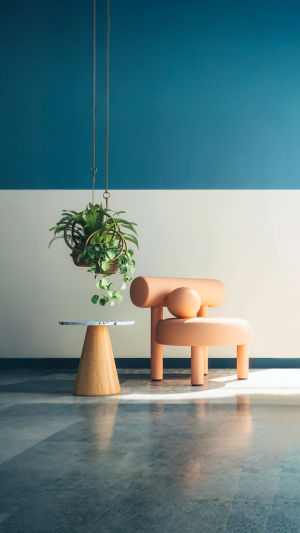
Stepping into a mid-century modern living room feels like entering a space where simplicity meets sophistication.
The clean lines, warm wood tones, and carefully curated furniture create an atmosphere that's both inviting and visually striking.
It's the kind of room where you want to linger with a book, host friends, or simply enjoy the quiet balance of design and function. Achieving this look doesn't require a complete overhaul—it's about selecting key elements and arranging them thoughtfully.
<h3>Choosing the Right Furniture</h3>
Furniture is the backbone of mid-century modern design. It's all about functionality with sleek, elegant lines.
<b>1. Low-profile seating</b> – Sofas and chairs often sit closer to the ground, featuring slim legs and angled frames. A popular choice is a walnut-framed sofa with neutral cushions.
<b>2. Accent chairs</b> – Iconic pieces like the Eames lounge chair or a molded plastic shell chair add both comfort and style.
<b>3. Coffee tables and sideboards</b> – Opt for tables with tapered legs and minimal ornamentation. A teak sideboard can provide storage while keeping surfaces clean and open.
Example: Pair a neutral fabric sofa with a brightly colored accent chair to create visual interest without overwhelming the space. The mix adds personality while staying true to mid-century principles.
<h3>Color Palette and Materials</h3>
Mid-century modern interiors favor a mix of natural and bold tones. The key is balancing earthy textures with pops of color.
<b>1. Neutral base</b> – Walls and larger furniture pieces often stick to shades of beige, gray, or white. These tones create a calm foundation.
<b>2. Accent colors</b> – Incorporate mustard yellow, teal, or burnt orange through cushions, rugs, or artwork. These colors highlight the period's playful yet restrained approach.
<b>3. Natural materials</b> – Wood, leather, and metal surfaces add warmth and texture. Consider a walnut coffee table or leather armchair for lasting durability and style.
Tip: Introduce color gradually. A single vibrant rug or a set of cushions can define the room without creating clutter or visual tension.
<h3>Lighting That Enhances the Space</h3>
Lighting is essential in mid-century design. The right fixtures highlight architectural details and create ambiance.
<b>1. Floor lamps</b> – Arc or tripod lamps provide functional lighting while acting as design statements.
<b>2. Pendant lighting</b> – Hanging fixtures over seating or coffee tables draw the eye upward and add sculptural interest.
<b>3. Natural light</b> – Maximize windows with sheer curtains or blinds. Open layouts work best, allowing light to flow freely.
Example: Place a brass arc floor lamp behind a sofa to illuminate reading space and add a metallic accent. The combination of form and function is classic mid-century thinking.
<h3>Decor and Accessories</h3>
Decor in a mid-century modern living room is intentional and minimal. Every item has purpose, from art to textiles.
<b>1. Wall art</b> – Abstract prints, geometric patterns, or framed photography complement clean lines. Avoid overcrowding walls; one large piece can be more effective than multiple smaller frames.
<b>2. Rugs and textiles</b> – Geometric rugs or textured throws anchor the room and introduce softness. Keep patterns bold but controlled.
<b>3. Plants and greenery</b> – Fiddle leaf figs, snake plants, or simple succulents add life and balance to wood and metal surfaces.
Tip: Rotate decor seasonally. Swapping cushions or a rug can refresh the space without investing in entirely new furniture.
<h3>Arranging the Layout</h3>
A mid-century modern living room prioritizes flow and openness. Thoughtful furniture placement ensures both comfort and visual harmony.
<b>1. Create conversation zones</b> – Position seating around a central coffee table to encourage interaction. Avoid pushing all furniture against walls.
<b>2. Balance scale</b> – Mix low and tall pieces to create depth. A sideboard on one side and a tall plant or floor lamp on the other achieves equilibrium.
<b>3. Emphasize lines</b> – Align furniture along natural sightlines to highlight the room's architecture and make the space feel larger.
Example: In a rectangular living room, place the sofa facing the main window, with an accent chair at a right angle. A geometric rug unites the pieces, creating a cohesive and inviting area.
<h3>Finishing Touches</h3>
The details complete the mid-century modern vibe. Small choices often have the biggest impact.
<b>1. Statement objects</b> – Sculptures, vases, or clocks with clean lines and bold shapes reinforce the aesthetic.
<b>2. Textural contrast</b> – Pair smooth wood surfaces with soft fabrics or metal finishes to create visual richness.
<b>3. Practicality first</b> – Remember that this style emerged from functionality. Keep surfaces clear, storage organized, and pathways unobstructed.
Practical tip: Introduce a single statement piece per season, like a retro clock or a textured throw, to refresh the room without compromising the clean look.
Walking through a mid-century modern living room should feel effortless—every piece, color, and light fixture working together to create comfort, style, and personality.
By focusing on purposeful furniture, balanced color, intentional lighting, and thoughtful layout, you can achieve a space that's both timeless and livable. These principles turn a simple room into a sanctuary where form meets function, and where design enhances everyday life rather than overpowering it.


