

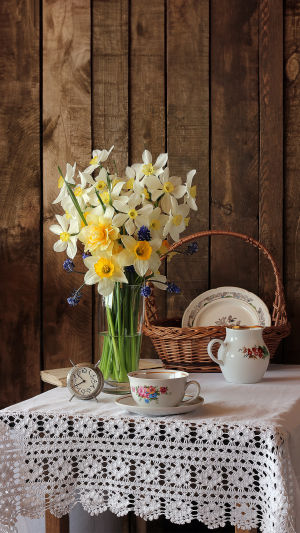
We all love the bright, cheerful blooms of daffodils, especially when the weather is still chilly. Their golden petals bring warmth and joy to any room, filling the air with a gentle, natural fragrance.
Bringing daffodils into our homes is a wonderful way to enjoy their beauty. Growing them in water is not only convenient but also a fun way to see how these plants develop from bulbs into vibrant flowers.
Let’s explore how we can make these beautiful flowers bloom indoors with minimal effort!
<h3>Choosing Healthy Bulbs</h3>
The first step is picking the right bulbs. We should look for plump, firm bulbs without any signs of mold, rot, or soft spots. Bigger bulbs usually produce more stems and larger, more robust flowers. For beginners, smaller bulbs are fine—they will bloom, but the flowers may be fewer and smaller. Ideally, we should select bulbs that are mature and already have visible flower buds, as this ensures a smoother growth process and more blooms. Even one slightly smaller bulb can sometimes produce two or three stems if cared for properly, but bigger bulbs give the best results.
<h3>Preparing the Bulbs</h3>
Before planting, we carefully remove the dry outer layers of the bulb. Any damaged, blackened, or soft spots should also be cut away to prevent rot. After cleaning off old roots and soil, we soak the bulbs in clean water for about 24 hours. This helps stimulate root development and encourages lateral shoots. If we want to give our bulbs an extra boost, we can briefly use a mild rooting solution, but over-soaking may lead to root rot or yellow leaves later. Soaking also helps the bulbs hydrate, giving them a stronger start for healthy growth.
<h3>Choosing the Right Container</h3>
Next, we place each bulb upright in a shallow container without drainage holes. The water level should reach about one-third of the bulb’s height. Too much water can rot the bulb and stunt leaf growth, while too little water may dry out the roots. If a bulb doesn’t stand upright on its own, small stones or supports can help keep it stable. This ensures that the roots grow downward properly and leaves develop straight and evenly. Choosing the right container is simple but essential for healthy, uniform growth.
<h3>Sunlight and Placement</h3>
Placing our daffodils in a bright, sunny spot is crucial. Sunlight encourages strong leaf growth and helps flowers develop large, vibrant blooms. When leaves reach about 5–10 cm in height, six or more hours of sunlight per day works best. Unlike other plants, daffodils should not be rotated frequently. During blooming, the flowers naturally face different directions, and rotating the bulbs can interfere with their natural opening pattern, resulting in uneven or delayed blooms. By keeping them steady in the sun, we help them grow naturally and beautifully.
<h3>Water Maintenance</h3>
In the first few days after planting, we should change the water daily to keep it clean and clear. Once white roots appear, water changes can be reduced to every one to two days, or even weekly if the water remains clear. Cloudy water is a sign that it should be replaced immediately. We should avoid removing the bulbs unnecessarily, as their roots are delicate and easily damaged. If the leaves start to grow too long, a partial water change overnight can help regulate growth. Proper water care ensures strong roots, healthy leaves, and long-lasting blooms.
<h3>Nutrients and Fertilizers</h3>
For daffodils in water, clean water alone is usually enough. These bulbs store plenty of nutrients to support leaf and flower growth. If we feel compelled to add fertilizer, a very mild solution of potassium dihydrogen phosphate at a ratio of 1:2000–1:3000 is safe. Stronger fertilizers can burn roots, yellow leaves, or even cause the bulb to rot. In general, we should avoid unnecessary additives—clean water usually does the job perfectly, letting the natural growth process shine.
<h3>Growth Timeline</h3>
With proper care, roots start appearing in about three days. Flower buds usually emerge around 25 days, and within 30–40 days, the daffodils reach full bloom. Watching this transformation is rewarding, and it adds a lively, fragrant touch to our home. We can enjoy the gradual growth process as leaves grow upright, buds form, and eventually the flowers open into bright, golden blooms. Following the timeline closely helps us anticipate watering needs and sunlight adjustments for the best display.
<h3>Enjoy Your Blooms!</h3>
By following these easy steps, we can enjoy healthy, fragrant daffodils indoors. Just a little attention to water levels, sunlight, and bulb selection brings bright, joyful flowers into our home. They make wonderful seasonal decorations and are a natural way to lift our mood. Let’s make this season fragrant and full of color—happy growing, and may our homes bloom with the beauty of daffodils!
Daffodil Growing in Water: Bulb to Bloom in Minutes (Time-Lapse)
Video by eLapse


