

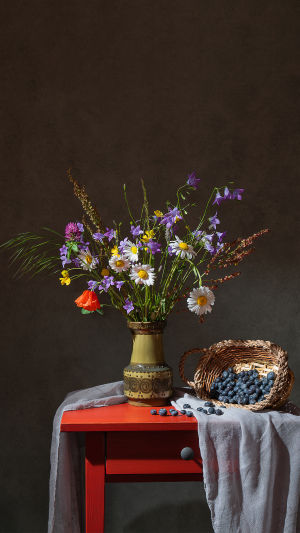
Have we ever seen a stunning flower arrangement and instantly felt happy? Flower arrangement art lets us bring that same joy into our own spaces. Even if we are complete beginners, understanding the basics helps us create beautiful, balanced designs that feel natural and lively.
We don’t need years of formal training—just some practice, patience, and creativity. Over time, we can transform simple bouquets into works of art that brighten our homes and uplift our mood.
<h3>Exploring Different Styles of Flower Arrangements</h3>
Flower arrangements come in many forms, each creating a unique mood and visual impact:
1. Stepped Style – Like a staircase, each bloom is slightly higher than the last. We place larger, fully open flowers at the bottom, while smaller buds sit above. Flowers like roses, tulips, carnations, and chrysanthemums are perfect for this style. This style gives a sense of upward flow and elegance.
2. Overlapping Style – Flat flowers or leaves are layered, overlapping one another. Sunflower leaves, anthurium leaves, or decorative sliced elements work beautifully here. The key is to match the overlap size to the leaf or flower size for a harmonious visual effect.
3. Piled Style – Dense arrangements with flowers or colors stacked closely together create a rich, textured look. We often use short stems, clustering blooms like dahlias, moss, chrysanthemums, or smaller accent flowers. The result is visually dynamic and full of depth.
4. Focal Point – A single flower or a small group becomes the main attraction. Large blooms such as lilies, bird-of-paradise, or orchids naturally draw attention. If we use smaller flowers, grouping them densely creates the same effect. This style emphasizes the star of the arrangement.
5. Clustered Groups – We group flowers of the same type and color, sometimes creating multiple clusters with spaces between them. This adds rhythm and structure while keeping the design lively and balanced.
6. Flat Style – Arrangements are spread evenly across the base, covering the floral foam. Different types of flowers can be combined as long as the overall effect is flat and harmonious.
<h3>Basic Shapes for Arrangements</h3>
The shape of an arrangement defines its character and placement:
1. Horizontal – Emphasizes width with a slight center rise. Ideal for dining tables, coffee tables, or desks.
2. Triangle – Can be equilateral, isosceles, or uneven. This shape conveys stability, elegance, and balance, perfect for ceremonies or gift arrangements.
3. L-Shape – Combines vertical and horizontal elements, great for corners or walls. Large flowers go in the corner, while smaller stems extend outward for a spacious feel.
4. Fan Shape – Radiates from a central point, suitable for larger rooms. It creates a welcoming, open impression.
5. Inverted T – Balanced vertical and horizontal lines give a modern, clean look. Ideal for contemporary spaces with smaller areas on the sides.
6. Vertical – Tall, upright flowers create a sense of height and upward movement, perfect for narrow spaces or high ceilings.
7. Oval – Rounded and lush, oval arrangements are ideal for ceremonial or formal spaces. They often use many flowers to give a soft, elegant feel.
8. Slanted – Unequal triangles create a natural, flowing design. Long stems can extend to emphasize movement and freedom, giving a relaxed, elegant effect.
<h3>Getting the Right Size</h3>
We need to balance flower height with the vase size. The tallest stem should be about 1.5–2 times the vase height. The second stem is approximately 2/3 the height of the first, and the third is about half of the second. Using the golden ratio (3:5:8) helps create visually pleasing arrangements. Proportion is important: we want flowers to look natural, yet balanced, with gaps and overlaps that add rhythm to the composition.
<h3>Choosing Colors</h3>
Color sets the mood of any arrangement. Warm reds, oranges, and yellows create energy and excitement, making them perfect for celebrations. Neutral shades suit living rooms, studies, or bedrooms for a calm, elegant look. Soft blues, greens, and whites create a peaceful, reflective atmosphere, ideal for memorial settings or quiet spaces.
Flower types also matter. Sturdy stems add depth, while herbaceous flowers bring brightness and cheer. Matching the vase with the flower colors enhances harmony—pale flowers in simple vases feel soft and refined, while bold blooms in darker, decorative containers stand out. Western floral art tends to use many stems and vibrant contrasts, while Eastern arrangements focus on fewer stems, natural shapes, and soft, elegant tones.
<h3>Why We Love Flower Arrangement Art</h3>
Flower arranging is more than decoration—it’s a creative outlet and a way to relax. Every arrangement we make reflects our personality and can brighten a room instantly. Experimenting with shapes, heights, and colors teaches us patience and focus. Lykkers, let’s pick up some flowers, explore different techniques, and create beautiful arrangements that are uniquely ours. Over time, we will not only develop skill and confidence but also enjoy a calming, rewarding hobby that fills our homes with beauty and life.


