

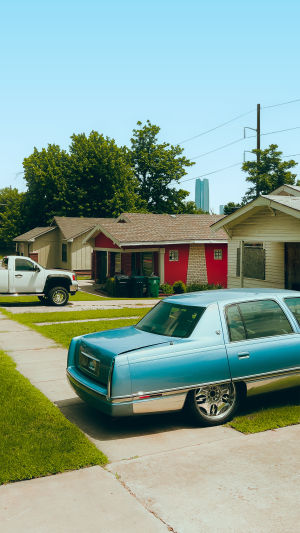
Morning traffic rarely feels dramatic, yet it quietly shapes how people choose their cars.
Narrow streets, limited parking, and constant stop-and-go movement turn daily driving into a careful balance between patience and practicality.
In this environment, smaller vehicles often feel less like a compromise and more like a smart response to real life.
Compact cars aren't only about size. They change how drivers move through crowded streets, how easily they park, and even how relaxed they feel at the end of a long commute. These small differences add up in ways many drivers only notice after switching from a larger vehicle.
<h3>1. Easier movement through tight streets</h3>
<b>Better maneuverability</b>
<b>Quicker lane adjustments</b>
<b>Reduced turning stress</b>
Urban roads rarely offer generous space. Delivery vehicles pause unexpectedly, intersections feel narrow, and sudden congestion forces quick decisions. Smaller cars handle these moments with less effort because their shorter length and tighter turning radius allow smoother direction changes.
Drivers often notice this advantage during simple tasks like making a U-turn or entering a crowded side street. What feels like a complicated maneuver in a large vehicle becomes routine in a compact one.
Try this practical comparison:
Drive both a compact and a larger vehicle through the same narrow street.
Pay attention to steering effort and turning space.
Notice how quickly each car settles into the correct lane.
That direct experience usually makes the benefit obvious within minutes.
<h3>2. Parking becomes far less frustrating</h3>
<b>Fits smaller spaces</b>
<b>Simpler parallel parking</b>
<b>Less time searching</b>
Parking is often the most stressful part of city driving. A vehicle that fits easily into limited spaces can save time every single day. Compact cars slide into gaps that larger vehicles must pass by, turning a long search into a quick stop.
Parallel parking also feels more manageable. Shorter body length means fewer steering corrections and less worry about touching nearby bumpers. Over weeks and months, this reduction in tension noticeably improves the daily driving experience.
A useful real-world habit:
Observe how many empty spaces are usable for different vehicle sizes.
Practice parallel parking in a quiet area to feel steering response.
Time how long it takes to park during a normal commute.
Small time savings repeated daily quickly become meaningful.
<h3>3. Lower running costs support city living</h3>
<b>Reduced fuel use</b>
<b>Affordable maintenance</b>
<b>Lower parking fees</b>
City driving includes frequent stops, short trips, and slow speeds—conditions where efficiency matters more than raw power. Smaller cars typically consume less fuel in this environment, which directly lowers monthly expenses.
Maintenance can also be simpler. Lighter weight and smaller components often mean less wear during stop-and-go travel. Some parking areas even charge based on vehicle size, giving compact cars another quiet financial advantage.
To estimate real savings:
Track weekly fuel spending for different vehicle types.
Review routine service prices from local repair shops.
Compare parking costs in commonly used areas.
Seeing the numbers side by side helps clarify long-term value.
<h3>4. Reduced stress during daily commuting</h3>
<b>Better visibility</b>
<b>Easier control in traffic</b>
<b>More relaxed driving feel</b>
Stress rarely comes from a single dramatic moment. It builds slowly through constant braking, tight spacing, and uncertainty in crowded traffic. Compact cars help reduce this pressure by offering clearer sightlines and simpler handling at low speeds.
Drivers often describe feeling more confident when they can judge distance easily and respond quickly to changing conditions. That confidence translates into calmer commutes and less fatigue after arriving home.
A simple awareness exercise:
Notice shoulder and hand tension while driving different vehicle sizes.
Observe how quickly you react to sudden stops ahead.
Reflect on overall mood after completing the trip.
Emotional comfort is harder to measure than cost, yet just as important.
<h3>5. Practical design matches real urban needs</h3>
<b>Sufficient passenger space</b>
<b>Flexible storage solutions</b>
<b>Convenient everyday usability</b>
Modern compact cars are designed around realistic daily routines rather than occasional long journeys. Folding rear seats, clever storage compartments, and efficient interior layouts provide enough room for groceries, backpacks, or small luggage without unnecessary bulk.
For many households, most trips involve commuting, shopping, or short visits across town. In these situations, extra vehicle size offers little real benefit while still creating inconvenience in traffic and parking.
To evaluate practicality honestly:
List the items you carry during a normal week.
Test whether they fit comfortably inside a compact model.
Consider how often you truly need additional space.
Real usage patterns usually favor efficiency over excess.
City driving rewards balance rather than scale. The vehicle that feels easiest to guide through traffic, simplest to park, and least expensive to maintain often brings the greatest daily satisfaction. Compact cars succeed not because they are smaller, but because they align closely with how urban life actually unfolds.
When a car quietly removes friction from everyday movement, the entire rhythm of the city feels a little lighter—and the journey home feels calmer than the journey out.


