

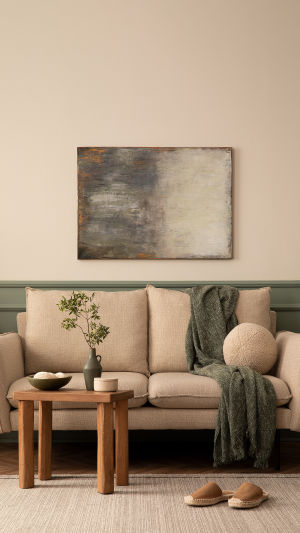
Walking into a living room should feel like a soft welcome rather than a stark display of furniture.
A cozy space invites conversation, reading, or just curling up with a warm drink.
Small details, thoughtful layout, and sensory touches make all the difference between a functional room and one that truly feels like home.
<h3>Lighting That Sets the Mood</h3>
Lighting shapes the atmosphere more than any piece of furniture. Harsh overhead lights can make a room feel cold, while layered lighting creates depth and warmth. Consider combining natural light with soft lamps, string lights, or dimmable fixtures.
<b>Practical examples:</b>
Place a floor lamp near a reading chair to encourage relaxation in the evenings.
Install dimmers for overhead lights to adjust brightness depending on the activity.
Use warm-colored bulbs instead of cool white to make the room feel inviting.
<h3>Comfortable Seating Options</h3>
Seating is central to a living room's comfort. It's not just about having a sofa; it's about ensuring variety and softness that supports long periods of sitting. Cushions, throws, and ergonomic chairs add both visual appeal and physical comfort.
<b>Practical examples:</b>
Add a mix of armchairs and a sofa to accommodate different seating preferences.
Keep a few plush throws nearby for spontaneous cozy moments.
Rotate cushions regularly to maintain both comfort and aesthetic appeal.
<h3>Textures and Fabrics</h3>
Textures make a room feel layered and tactile. Combining soft rugs, knitted throws, and velvet cushions creates a sensory experience that invites touch and visual interest. Rugs also define spaces, especially in larger rooms.
<b>Practical examples:</b>
Layer a soft area rug under the coffee table to anchor the seating area.
Mix smooth surfaces like leather with soft textures like chenille or faux fur.
Introduce tactile contrasts in accessories, such as woven baskets and silk pillows.
<h3>Personal Touches and Decor</h3>
Decor personalizes a space and makes it feel lived-in. Art, family photos, and unique collectibles provide visual interest and tell a story. Thoughtful placement avoids clutter while showcasing personality.
<b>Practical examples:</b>
Hang a gallery wall of favorite prints above the sofa for a focal point.
Rotate seasonal decor, like small vases with fresh flowers or greenery.
Incorporate a few meaningful items on shelves, but leave breathing room to prevent overwhelm.
<h3>Functional Layout and Flow</h3>
A cozy room isn't just about softness; it's about ease of movement. Arrange furniture to create conversation areas and clear paths. Avoid overcrowding while ensuring each piece has purpose.
<b>Practical examples:</b>
Angle seating toward a central coffee table to encourage interaction.
Leave at least two feet of space around furniture for easy passage.
Use modular furniture or ottomans that can be moved for flexibility.
<h3>Greenery and Natural Elements</h3>
Plants and natural materials breathe life into a living room. They improve air quality, add color, and create a calming presence. Even small touches, like wooden frames or stone accessories, contribute to a natural, cozy feel.
<b>Practical examples:</b>
Place a medium-sized indoor plant near a corner to soften edges.
Use small succulents or potted herbs on shelves for subtle greenery.
Choose natural fiber rugs or baskets to complement the soft textures in the room.
A cozy living room balances comfort, style, and functionality. By focusing on lighting, seating, textures, personal touches, layout, and natural elements, you can create a space that feels inviting every time you step in. Small adjustments—like a soft throw, a warm lamp, or a potted plant—make a lasting impact, turning a simple room into a cherished sanctuary for relaxation and connection.
Next time you spend an evening curled up with a book or enjoying conversation, notice how these elements influence your mood. Your living room isn't just a place to sit—it's the heart of your home, shaped by comfort and intention.


