

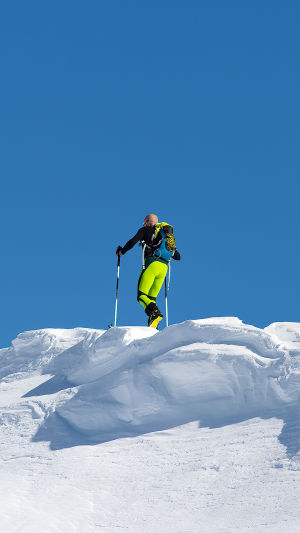
Lykkers, have we ever looked at a distant white summit and felt our hearts beat a little faster? Snow-capped mountains represent challenge, freedom, and personal growth. When we climb them, we are not only moving upward physically, but also pushing our inner limits.
Climbing snow mountains is more than a sport. It becomes a lifestyle. We learn patience, discipline, teamwork, and respect for nature. But before we chase that breathtaking summit view, we must understand what it truly takes.
<h3>Preparing Our Body for the Challenge</h3>
Snow mountain climbing demands strong physical fitness. The higher we go, the lower the oxygen level becomes. Cold temperatures and long hiking hours test our endurance.
1. First, we should build cardio endurance. Running, stair climbing, and weighted hiking help improve heart and lung capacity. Ideally, we prepare at least three months in advance. If we plan to hike 6–7 hours per day, our training should reflect that goal.
2. Second, we strengthen our legs and core. Squats, lunges, planks, and step-ups improve stability and carrying ability. A strong core keeps us balanced when walking on uneven snow surfaces.
3. Third, flexibility matters. Stretching reduces muscle tension and helps us move more smoothly during steep climbs.
4. We increase training intensity gradually, no more than 10 percent per week. Rest days are equally important. Sleep and nutrition are the foundation of performance.
<h3>Choosing the Right Season and Route</h3>
Not all snow mountains are suitable for beginners. We should start with lower-altitude peaks that require basic skills rather than advanced techniques.
Season selection is crucial. Late spring and early autumn often offer more stable weather conditions. Deep winter climbs can be more demanding due to heavier snow and stronger winds.
<h3>Essential Gear We Must Prepare</h3>
Good equipment protects us from cold, wind, and moisture.
• Mountaineering boots: High-cut, waterproof boots with strong ankle support are essential. We must break them in before the trip to avoid blisters.
• Crampons: These attach to our boots and help grip icy surfaces. We should practice walking with them before climbing.
• Ice axe: Used for balance and self-protection on steep slopes.
<b>Layered clothing:</b>
- Base layer – Moisture-wicking material keeps skin dry. Avoid cotton.
- Mid layer – Insulation such as fleece or down retains body heat.
- Outer layer – Windproof and waterproof shell protects against harsh weather.
We should always carry spare base layers and gloves. Staying dry is critical in cold environments.
<h3>Mastering Basic Climbing Techniques</h3>
1. When walking on snow slopes, we move in a zigzag pattern to reduce strain. Steps should be small and stable. Our body weight stays centered over our feet.
2. On steeper sections, we kick small steps into the snow for stability. If we slip, we immediately turn onto our stomach to stop sliding. Quick reaction prevents dangerous falls.
3. Breathing rhythm is important. We match our breath with our steps. Slow and steady movement conserves energy better than rushing.
4. Short breaks of 10–20 seconds help us recover. Longer breaks every 30–60 minutes should last only 3–5 minutes to avoid losing body heat.
5. Most importantly, we always follow the guide and never leave the team alone.
<h3>Understanding Altitude Reactions</h3>
As we climb higher, our body adjusts to thinner air. Common symptoms include headache, dizziness, shortness of breath, fatigue, nausea, and difficulty sleeping.
<b>To prevent problems:</b>
• Ascend gradually.
• Arrive at the destination 2–3 days early for adaptation.
• Practice deep abdominal breathing.
• Stay hydrated and well-rested.
If symptoms worsen, descending is the safest decision. Listening to our body is not weakness; it is wisdom.
<h3>Preventing Hypothermia in Cold Conditions</h3>
Cold and wet conditions can lower body temperature quickly. Warning signs include shivering, numb fingers, confusion, and slow movement.
We prevent this by dressing in layers, keeping clothes dry, eating enough carbohydrates for energy, and drinking warm water regularly. Carrying an emergency thermal blanket is also wise.
Proper layering allows us to adjust clothing easily as activity level changes.
<h3>The Mental Strength We Gain</h3>
Climbing snow-capped mountains is as much a mental journey as a physical one. There will be moments when we feel tired, cold, or doubtful. But step by step, breath by breath, we move forward.The summit is rewarding, but the process teaches us more. We learn teamwork, resilience, and self-control. We realize that progress often comes from consistent small steps.
Lykkers, when we finally stand on that white peak, watching clouds drift below us, we understand something powerful: the mountain did not change — we did.
So, are we ready to lace up our boots and take the first upward step together?
Mountaineering Gear Check with Northwest Alpine Guides
Video by Northwest Alpine Guides


