

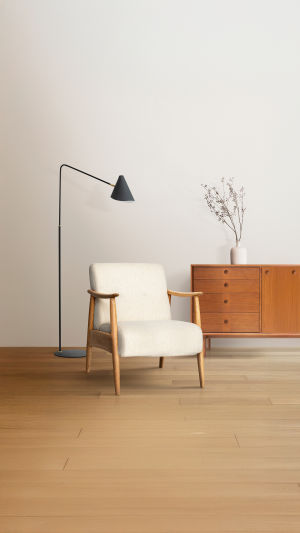
When we think about our home, the living room often plays a key role. It is where we relax, talk, read, and welcome guests. Over time, many items may gather in this space.
Too many details can make the room feel crowded. That is why minimal living room interior design becomes a popular choice. It helps us remove extra objects and focus on function and comfort.
Minimal design is not about empty space. It is about smart space use. We keep only what we truly need. Every sofa, table, and light has a clear purpose. The result is a clean environment that supports daily life.
<h3>Space Planning and Layout</h3>
Good layout is the base of minimal design. We start by dividing the room into simple zones. For example, one area is for seating, another for reading or work, and one small corner for storage. Clear zoning keeps order without heavy walls.
We can use furniture, rugs, or simple glass panels to separate areas. These tools create balance while keeping openness. The goal is to allow easy movement and smooth flow inside the room.
Before buying furniture, we measure the space carefully. Large rooms need large furniture, but small rooms need compact pieces. We avoid filling empty corners with unnecessary items. Open space around furniture makes the room feel larger and brighter.
<h3>Color Choice and Wall Design</h3>
Colors shape the mood of the room. In minimal living room design, light tones work best. White, beige, light gray, soft cream, and warm wood colors create calm energy. These tones reflect light and expand visual space.
Walls should stay simple. We can use smooth paint, plaster, wood panels, or soft textured finishes. Patterns should be limited. A clean wall allows furniture and light to stand out.
Decoration on walls must stay minimal. A large artwork, a framed mirror, or a small photo group is enough. Too many wall items break the balance. Simple design makes every detail visible and meaningful.
<h3>Furniture With Function and Simplicity</h3>
Furniture is the heart of the living room. In minimal style, we choose fewer but better quality pieces. A low sofa with clean lines works well. It can be in L shape or straight shape. Simple shapes create harmony with space.
Multi function furniture helps save room. A sofa that turns into a bed gives flexibility. A table with storage space hides daily objects. Built in cabinets reduce visible clutter. We store items behind closed doors to keep surfaces clean.
Materials matter. Wood, metal, glass, and fabric with good quality improve the overall look. Strong structure and smooth finish make furniture feel stable and elegant. We avoid weak materials that lose shape quickly.
Modular furniture is also useful. It allows us to change layout easily. We can move parts when needed. This flexibility supports different activities such as family gatherings or quiet time.
<h3>Lighting and Atmosphere</h3>
Light plays a key role in minimal living rooms. Natural light is always the best choice. Large windows bring sunshine inside and connect the room with outdoor views. Light curtains allow brightness to pass through while protecting privacy.
Artificial lighting adds depth at night. We use ceiling lights, wall lamps, or floor lamps with simple shapes. Spotlights highlight artwork or furniture details. Warm light creates comfort, while neutral light supports focus.
We avoid heavy chandeliers with complex decoration. Simple lighting design fits better with minimal style. Good light improves space feeling and makes colors look clean and clear.
<h3>Decor and Final Touches</h3>
Decoration in minimal design must stay controlled. One strong visual point is enough. A large painting with clear lines can become the center of attention. A ceramic vase or a small sculpture adds character without overload.
Textiles should stay simple as well. A plain rug under the sofa or light curtains near windows complete the room. Soft fabric improves comfort but we limit layers to maintain openness.
Storage is important for keeping surfaces tidy. Shelves and cabinets hide daily objects. When everything has its place, the room looks calm and organized.
Minimal living room interior design helps us create balance between beauty and function. It reduces stress and increases comfort. By choosing smart layout, simple colors, quality furniture, and soft lighting, we build a space that supports our lifestyle.
How do we feel about our living room now, Lykkers? Maybe small changes today can bring big improvement tomorrow.
Modern Minimalist Living Room Ideas | Sleek & Stylish Designs | #2 ✨
Video by Haus Interiors


