

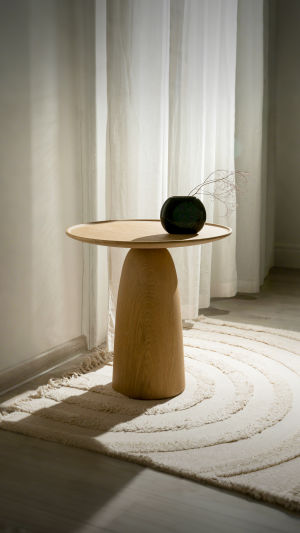
Luxury interiors often make you pause the moment you walk into a room.
The textures, the lighting, the balance between comfort and elegance—it all comes together to create a space that feels both refined and inviting.
But achieving this level of sophistication isn't just about expensive furniture; it's about thoughtful design choices that enhance the atmosphere while reflecting personal style.
<h3>Foundations of Luxury Design</h3>
<b>1. Space and Layout</b>
A sense of luxury often starts with the way a room is structured. Open, uncluttered spaces allow furniture, art, and decor to breathe. Carefully plan circulation areas so movement feels natural and effortless. Use focal points, like a fireplace or a statement piece of furniture, to anchor the room and draw the eye.
<b>2. Quality Materials</b>
Luxury interiors are defined by tactile and visual richness. Incorporate materials such as natural stone, high-grade wood, velvet, or silk. These elements age gracefully and add a sense of permanence. Even simple touches like a marble countertop or a hardwood floor with a natural finish can elevate the overall feel.
<b>3. Color Palette</b>
Choose colors that convey sophistication. Neutral tones—cream, taupe, gray—serve as versatile backdrops, while deep jewel tones or metallic accents add drama and depth. Harmonize colors across walls, furniture, and decor to maintain cohesion, but don't be afraid to introduce a striking accent that becomes a conversation starter.
<h3>Lighting and Ambience</h3>
<b>1. Layered Lighting</b>
A luxurious room is never lit by a single source. Combine ambient lighting with task and accent lighting to create depth. Chandeliers, recessed lights, and floor lamps should complement each other while highlighting textures and architectural features.
<b>2. Natural Light</b>
Maximize daylight wherever possible. Large windows, sheer curtains, and strategically placed mirrors amplify sunlight, making the space feel larger and more inviting. Natural light also enhances the colors and materials used in the room.
<b>3. Mood and Function</b>
Lighting should adapt to different activities. Dimmer switches and adjustable fixtures allow the atmosphere to shift from bright and energetic during the day to soft and intimate in the evening.
<h3>Furniture and Decorative Elements</h3>
<b>1. Statement Pieces</b>
Incorporate at least one signature element in each room—a bold sofa, an artful coffee table, or a designer rug. These pieces define the space and convey personality without overwhelming it.
<b>2. Balance and Proportion</b>
Luxury comes from harmony. Scale furniture to the room size and ensure seating arrangements promote conversation. Avoid overcrowding; negative space enhances the sense of elegance.
<b>3. Accessories and Art</b>
Choose accessories with intent. Artworks, sculptures, and high-quality decorative items provide visual interest. Layer textures through cushions, throws, or rugs to create warmth, while keeping the overall aesthetic refined.
<h3>Textures, Patterns, and Finishes</h3>
<b>1. Mix of Textures</b>
Combining smooth, rough, soft, and hard surfaces creates tactile richness. Think velvet sofas with wooden tables, silk cushions with stone floors. This layering adds depth and luxury without clutter.
<b>2. Subtle Patterns</b>
Patterns should feel intentional. Geometric designs, soft florals, or understated stripes can enhance a room when used sparingly. Luxury interiors often rely on subtlety rather than bold prints to convey sophistication.
<b>3. Finishes</b>
Attention to finishes—matte vs. glossy, brushed vs. polished—affects perception of quality. Even small details like cabinet handles, light fixtures, and frames contribute to a cohesive luxury look.
Creating a luxurious interior is about more than expensive furniture or trendy pieces. It's the harmony of space, light, material, and personal touches that makes a room feel elegant yet lived-in. By carefully selecting high-quality materials, layering lighting, balancing furniture, and paying attention to textures, anyone can design a home that exudes refinement and comfort.
Take your time, experiment with elements that inspire you, and remember that true luxury is the feeling a space evokes, not just how it looks.


