

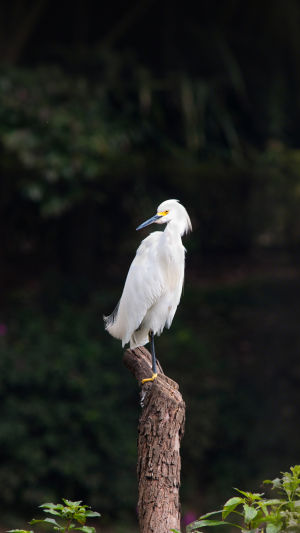
I once walked through a once-barren wetland that had been carefully restored over several years.
Tiny frogs were calling from newly planted reeds, dragonflies skimmed over clear water, and birds darted between fresh shrubs. It was remarkable to see life returning to a place that had seemed lifeless.
Habitat restoration isn't just about plants—it's about giving animals a second chance to thrive, adapt, and maintain the balance of ecosystems
<h3>Rebuilding Natural Landscapes</h3>
Restoring a habitat starts with the physical environment. Soil, water, vegetation, and terrain all play critical roles in supporting animal life.
- Wetlands need proper water levels and native plantings to support amphibians, insects, and birds.
- Forests benefit from replanting native trees and removing invasive species that compete with local flora.
- Grasslands require reseeding and controlled burns to maintain healthy plant diversity.
<b>Soil quality</b>, <b>Water management</b>, <b>Native vegetation</b>
Actionable example: Even small community projects, like planting native shrubs in a local park, can provide shelter and food for birds, small mammals, and pollinators.
<h3>Supporting Endangered and Vulnerable Species</h3>
When habitats degrade, animals lose their homes, food sources, and breeding grounds. Restoration can reverse these effects.
- Reintroducing native plants ensures that herbivores have proper nutrition.
- Creating ponds or nesting areas helps amphibians, reptiles, and birds reproduce successfully.
- Corridors connecting fragmented habitats allow safe migration and reduce conflicts with human activity.
<b>Food sources</b>, <b>Breeding grounds</b>, <b>Migration paths</b>
Actionable example: Installing bird boxes or small shelters in restored areas can immediately support nesting and raise juvenile survival rates.
<h3>Reducing Human Impact</h3>
Humans often unintentionally destroy habitats through construction, pollution, or deforestation. Restoration includes minimizing these impacts.
- Removing trash and pollutants from streams and ponds improves water quality for aquatic species.
- Restricting foot traffic in sensitive areas prevents soil compaction and plant damage.
- Educating nearby communities about sustainable practices reduces further disturbance.
<b>Pollution control</b>, <b>Access management</b>, <b>Community awareness</b>
Actionable example: Organizing a local cleanup day along a riverbank or park can immediately improve the habitat for small mammals, birds, and amphibians.
<h3>Promoting Biodiversity</h3>
A restored habitat allows multiple species to coexist, strengthening ecosystem resilience.
- Plant diversity supports insects, which in turn feed birds and small mammals.
- Wetlands attract a variety of amphibians and aquatic insects that are crucial for predators higher in the food chain.
- Healthy ecosystems naturally regulate pests and maintain soil fertility, benefiting both wildlife and humans.
<b>Species variety</b>, <b>Food chains</b>, <b>Ecological balance</b>
Actionable example: When planting a garden or small green space, choose a variety of native plants to attract different insects and birds, creating a micro-ecosystem.
<h3>Monitoring and Long-Term Care</h3>
Restoration is not a one-time effort. Long-term monitoring ensures that animals continue to thrive.
- Track animal populations through sightings, tracks, or camera traps.
- Regularly remove invasive species or replant native vegetation as needed.
- Adjust water levels, soil quality, or shelter availability to respond to changing conditions.
<b>Observation</b>, <b>Maintenance</b>, <b>Adaptation</b>
Actionable example: Volunteers or local wildlife organizations can set up simple observation logs to record species returning to restored areas, helping guide future restoration projects.
Bringing a habitat back to life is like giving an entire community a fresh start. Each restored pond, forest patch, or meadow provides food, shelter, and safety for countless creatures. By restoring habitats, we don't just save individual animals—we revive entire ecosystems, strengthen biodiversity, and ensure that future generations can witness the beauty of thriving wildlife.
Every small action contributes to a bigger picture where animals and humans can coexist in a healthier, more balanced world.


