

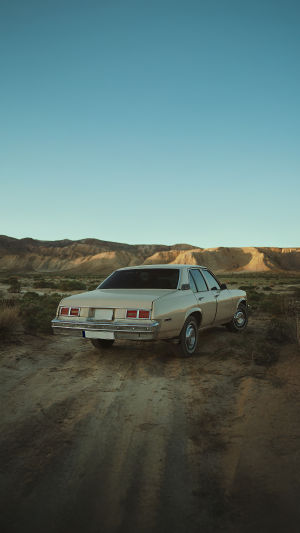
Vintage cars are more than just old vehicles — they are mobile pieces of history, embodying the design, technology, and spirit of the early automotive age.
Enthusiasts around the world celebrate these machines not merely for their age, but for what they represent: a period of innovation that helped shape modern motoring and culture.
This article unpacks what makes a car vintage, how these machines were built, and why they continue to mesmerize collectors and admirers.
<h3>Defining Vintage Cars and Their Era</h3>
A vintage car is a specific category in automotive history. In the most widely accepted definition among collectors and clubs, a vintage car refers to a vehicle manufactured during the historic period from 1919 to 1930. This timeframe marks a transformative era when automobiles evolved from rare curiosities to practical everyday transport.
This period followed significant social and industrial changes, which makes vintage cars relevant not just mechanically, but culturally. Automakers of the era introduced features that set the foundation for future car design, such as four wheel braking systems and in car comfort features like heaters and radios.
The definition matters because not all old cars are vintage: terminology like “classic” and “antique” exist, but vintage specifically links to that early 20th century era of automotive evolution.
<h3>Design and Craftsmanship of Vintage Cars</h3>
Vintage cars are instantly recognizable for their unique design and craftsmanship. Unlike today's mass produced vehicles, early automobiles were often hand built, with a level of individual detail and artisanal construction that modern industrial assembly lines rarely replicate.
Exterior design during the vintage era frequently featured elegant curves, chrome accents, and distinctive front grilles that reflected both aesthetic trends and functional engineering. Interiors were often built with premium materials such as leather seats and wood detailing, giving each car an unmistakable character.
Mechanically, vintage vehicles differed substantially from modern cars. Engines were simpler and less powerful by today's standards, often with carbureted fuel systems instead of modern fuel injection. Early braking systems and electrical systems required specialist knowledge to operate and maintain.
<h3>The Appeal and Cultural Importance</h3>
Vintage cars are valued not only for their age but also for their cultural and historical significance. Owning or viewing a car from the 1920s allows enthusiasts to step back into a period of rapid technological development, when cars were transitioning from experimental luxury to practical utility.
For many collectors, these vehicles are treasured because they represent the ingenuity of early automotive engineers and the social shifts of their time. The aesthetic details alone — from bodywork to wooden spoke wheels — evoke a sense of nostalgia that resonates well beyond simple transportation.
Communities and events built around vintage cars further help preserve this heritage, allowing owners to share stories, knowledge, and appreciation for these historic machines. Car shows and rallies often draw enthusiasts from around the world, making vintage automobiles a living part of cultural history rather than static museum pieces.
<h3>Challenges of Owning and Maintaining Vintage Cars</h3>
Owning a vintage car is as much a commitment as it is a passion. Because these vehicles were made with older technology, finding parts and experienced mechanics can be a significant challenge. Vintage cars often require careful restoration; owners must balance preserving original components with ensuring reliability.
Insurance for vintage cars is also specialized and typically different from standard car insurance. Companies factor in rarity, historical documentation, and condition when valuing and covering these vehicles.
Despite these challenges, vintage cars offer a sense of satisfaction that modern vehicles rarely match. From the tactile feedback of a mechanical transmission to the resonance of a simple engine, driving a vintage car is a connection to a bygone era that few other experiences can replicate.
<h3>Reflecting on Vintage Cars and Heritage</h3>
Vintage cars remind us that transportation is not just about getting from point A to point B. They embody craftsmanship, ambition, and a chapter of innovation in human history. While modern vehicles emphasize efficiency and cutting edge technology, vintage cars showcase the heart of early automotive pioneers who shaped the road ahead.
As we appreciate these machines today, they stand as living reminders of how far automotive engineering has come. At the same time, their enduring appeal teaches us to value tactile experience, historical context, and human ingenuity — qualities that transcend the metal frames and rubber tires and connect us to generations past.


