

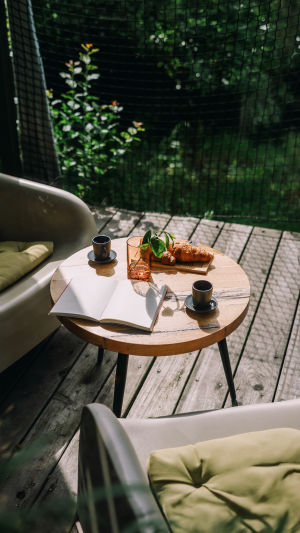
Lykkers, imagine starting every morning surrounded by the gentle aroma of coffee and the warm glow of sunlight filtering through beautiful interiors. A café isn’t just a place to sip a drink—it’s a world of ideas, textures, and emotions.
Across the globe, cafés are becoming our “third homes,” where design, art, and atmosphere meet. Today, we’ll travel together through seven inspiring café spaces—from Melbourne to Copenhagen to Tokyo—to see how creativity transforms ordinary corners into works of art.
<h3>The Power of Color</h3>
Color is the heartbeat of design. The moment we step inside a café, the hues around us shape our mood and experience. In sunny Melbourne, coral pink walls paired with soft curves bring a cozy and romantic feel, while pale wooden furniture balances modern freshness with comfort. In contrast, the bright greens of cafés in Copenhagen reflect Nordic simplicity, echoing the city’s love for natural light and calm tones. Meanwhile, Tokyo’s minimalist cafés often feature subtle blues and greys, turning compact spaces into peaceful retreats.
One standout café in Melbourne uses coral pink as its main tone, with smooth curved counters dividing the ordering and seating areas. Soft curtains provide privacy, and every piece of furniture is custom-designed to fit perfectly. The result? A space that feels both elegant and inviting, where every corner tells a story of thoughtful design.
<h3>Raw Walls and Retro Vibes</h3>
Sometimes beauty comes from imperfection. Exposed brick, rough concrete, and natural wood are making a comeback in café design, giving spaces a warm and authentic personality. In London, for example, many converted warehouses have kept their raw textures—old bricks and steel beams—contrasted by soft lighting and vintage furnishings.
In Amsterdam, one café combines exposed walls with bursts of color and playful shapes, turning industrial roughness into creative charm. Designers even add quirky wall art and textured fabrics to soften the hard surfaces, creating a blend of history and modern comfort. The result feels timeless—like stepping into a story that has been told for decades yet still feels fresh today.
<h3>Nordic Calm and Color Play</h3>
Nordic-inspired cafés are loved for their simplicity and warmth. In Stockholm or Helsinki, clean white walls, natural oak furniture, and a few accent colors—like mustard yellow or sea green—bring energy without clutter. A café might place a single bright chair in a calm-toned room to create contrast and highlight balance.
One charming example in Copenhagen uses houseplants like monstera and olive trees to add vitality. Paired with modern, colorful chairs, the design feels refreshing and relaxed. It reminds us that even minimal spaces can have personality, as long as each detail feels intentional and alive.
<h3>Lighting That Paints Emotion</h3>
Light is the most silent yet powerful artist in a café. A warm amber glow can make us feel cozy, while cool white light can awaken focus. In Paris, many boutique cafés use 2200K amber lights, wrapping the entire space in a gentle golden hue that feels like the last hour of sunset. The light dances across glass and mirrors, creating depth and intimacy.
In New York, industrial cafés often use hanging bulbs and warm spotlights to highlight artwork and table settings. Every reflection becomes part of the mood. Light, in these spaces, doesn’t just illuminate—it speaks, shaping how we feel and connect.
<h3>Smart Storage, Clever Space</h3>
Small cafés often face a big challenge: how to use space beautifully and efficiently. In Tokyo, designers have mastered the art of hidden storage—foldable tables, sliding doors, and compact equipment tucked behind sleek panels. These tricks keep the layout open and elegant, even in tight urban settings.
In Amsterdam, a café’s large sliding window opens into an outdoor bar during summer, blending inside and outside effortlessly. Inside, storage drawers and waste bins are cleverly hidden beneath counters, maintaining visual harmony while keeping the workspace functional. Every inch counts—and it all feels seamless.
<h3>Green Corners and Urban Calm</h3>
No café feels complete without a touch of nature. From lush indoor plants to small garden patios, greenery softens the lines and adds a living rhythm to the room. In Los Angeles, some cafés are practically mini botanical gardens, filled with hanging plants, ferns, and flowers. The natural scent mixes with coffee aromas, creating an instant mood lift.
In Oslo, cafés often feature simple potted trees and minimalist planters, giving people a place to slow down amid their busy days. Greenery doesn’t just decorate—it heals. It reminds us that nature belongs even in the heart of a city.
<h3>Curves That Breathe</h3>
Straight lines are efficient, but curves are emotional. In Paris or Milan, soft curved walls and rounded furniture create movement and warmth. A French-style dessert café in Lyon uses sculpted GRC walls to form elegant arcs, while golden lamps highlight the flow of light and shadow. The design feels both graceful and alive, like fabric caught in a breeze.
Curves guide our eyes, calm our minds, and give the space a rhythm that feels human. They prove that good design isn’t just about structure—it’s about how a place makes us feel.
<h3>Inspiration Around Us</h3>
Lykkers, cafés are more than just spots for coffee—they’re places full of emotion, creativity, and connection. From the inviting warmth of coral tones to the serene simplicity of Nordic styles, or the subtle poetry of light and shadow, each space tells its own story.
Next time we enter a café, let’s look beyond the menu. Take in the wall colors, the lighting, the textures under our fingers—every detail is meant to make us feel something. That feeling might just spark our next brilliant idea.


