

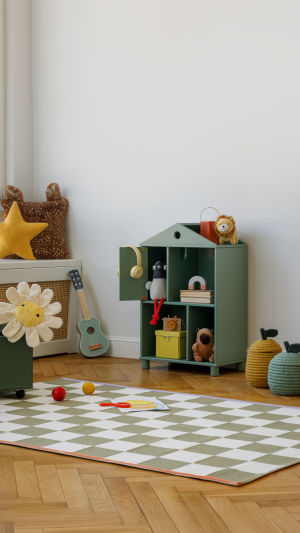
Creating a home that supports children’s growth requires more than simply adding toys or colorful décor. A truly kid-friendly environment balances safety, functionality, and creativity, allowing children to explore freely while parents feel confident about their well-being.
Child-safety specialist Kimberlee Mitchell notes that effective childproofing begins with identifying household hazards and installing appropriate safety devices.
Similarly, baby-safety writer Jessica D’Argenio Waller highlights that simple steps such as securing furniture, using safety gates, and organizing play areas can significantly reduce the risk of injuries. When these strategies are combined with durable materials and flexible design, a home becomes a safe and inspiring environment where children can explore and grow.
<h3>Prioritize Safety</h3>
Safety is the foundation of any kid-friendly home. Start by identifying potential hazards and making adjustments.
- Secure furniture. Anchor bookshelves and cabinets to walls to prevent tipping accidents.
- Cover sharp edges. Use corner guards on tables, counters, and fireplace hearths to reduce injury risks.
- Install safety gates. Place them at staircases and doorways to limit access to potentially dangerous areas.
- Use non-slip rugs. This prevents falls in areas like kitchens and bathrooms.
- Store hazardous items out of reach. Keep cleaning products, tools, and medications in locked cabinets.
<h3>Create Functional Play Areas</h3>
Children need spaces that encourage creativity, exploration, and learning while keeping the home organized.
- Designate zones. Allocate specific areas for play, crafts, and reading to reduce clutter.
- Include storage solutions. Use bins, shelves, and cubbies to store toys and rotate items for variety.
- Opt for multipurpose furniture. Tables that double as art stations or benches with hidden storage maximize space.
- Incorporate activity walls. Chalkboards, magnetic boards, or pegboards provide interactive learning spaces.
- Provide soft flooring. Foam mats or rugs protect kids during active play while adding comfort.
<h3>Choose Durable Materials</h3>
Kid-friendly homes need furniture and surfaces that withstand spills, scratches, and wear.
- Select washable fabrics. Slipcovers or stain-resistant textiles make cleaning easier.
- Pick robust surfaces. Hardwood, laminate, or durable tiles are ideal for high-traffic areas.
- Avoid delicate finishes. Fragile wood or glossy surfaces may show scratches or dents quickly.
- Use removable covers. Chair cushions or sofa pillows with covers allow easy washing and maintenance.
- Consider long-lasting toys. Quality wooden or high-grade plastic toys withstand active play over time.
<h3>Encourage Organization</h3>
Teaching kids to keep their space tidy fosters independence and reduces stress for parents.
- Label storage bins. Pictures or words help children identify where items belong.
- Make storage accessible. Low shelves and hooks empower kids to put away their toys and clothes.
- Create daily routines. Set simple expectations for cleaning up after playtime.
- Use rotating storage. Keep some toys out of reach and swap periodically to maintain interest.
- Include visual cues. Color-coded baskets or bins can make tidying more fun and intuitive.
<h3>Design for Flexibility</h3>
Children grow quickly, and their spaces should adapt with them.
- Choose adjustable furniture. Desks, chairs, and beds that change height extend usability.
- Modular storage units. Shelving systems that expand or rearrange accommodate changing needs.
- Open layouts. Avoid fixed barriers to allow room for new activities or equipment.
- Convertible spaces. Guest rooms can double as playrooms or study areas as children grow.
- Plan for hobbies. Leave wall space or corners free for sports, art, or music equipment.
<h3>Add Personal Touches</h3>
A kid-friendly home should feel fun, welcoming, and inspiring.
- Display artwork. Frame children's drawings or crafts to celebrate creativity.
- Incorporate favorite themes. Bedding, rugs, or wall decals can reflect interests like animals or space.
- Use color wisely. Bright accents can energize rooms, while soft tones create calming spaces for rest.
- Include cozy nooks. Reading corners with cushions or small tents encourage quiet play.
- Integrate sensory elements. Textured rugs, tactile toys, or interactive walls enhance learning and exploration.
Designing a kid-friendly home is about balancing safety, functionality, and fun. By prioritizing safety, creating defined play zones, selecting durable materials, encouraging organization, planning for flexibility, and adding personal touches, you can make a space where children thrive.
Thoughtful planning ensures that the home remains comfortable, practical, and engaging for both kids and grown-ups. A well-designed, adaptable space not only nurtures children's growth but also makes daily life smoother and more enjoyable for the whole family.


