

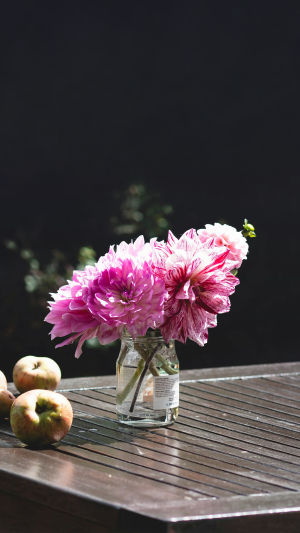
There's something uniquely uplifting about bringing fresh flowers into your living space—the way vibrant blooms catch the light, fill a room with texture, and add a personal touch to your décor.
Yet for beginners, flower arranging can feel intimidating: how do you pick flowers that work well together? What tools do you need? And how do you make an arrangement look balanced rather than scrappy?
Flower arranging is both a craft and a form of creative expression, and with a few simple principles, even those who have never held floral shears can create stunning arrangements at home.
Drawing from expert guidance on selecting flowers, choosing tools, and arranging blooms effectively, this article will walk you through essential tips that help ensure success with your first floral design.
<h3>Choosing Your Flowers and Tools</h3>
The first step in any arrangement is selecting the right materials. Beginners should aim for a mix of flowers that vary in size, shape, and texture to create visual interest.
<b>Fresh, high quality flowers</b>
Pick blooms that are vibrant and healthy—avoid flowers with drooping heads or brown edges. Combining different sizes and types (e.g., roses with lisianthus or callas) helps make your design more dynamic.
<b>Variety of shapes and textures</b>
Including both large focal flowers (the main attractions) and smaller, filler blooms adds depth. Greenery like eucalyptus or ferns can serve as filler and structure.
Your choice of tools also affects the outcome:
<b>Essential tools</b>
Sharp floral scissors or cutters make clean cuts, while floral tape and a “frog” (a support device placed at the base of the vase) help keep stems in position.
<h3>Preparing Flowers for Arrangement</h3>
Once you have your flowers and tools ready, preparing blooms correctly helps them last longer and look better.
<b>Trim stems</b>
Cut stems at a 45 degree angle before placing them in water—this increases the surface area for water uptake, helping flowers stay refreshed.
<b>Remove excess leaves</b>
Remove off leaves that will sit below the waterline in the vase. Leaves in water promote bacterial growth, which shortens flower life.
<b>Hydrate flowers</b>
Place freshly trimmed flowers in clean, room temperature water right away to maintain freshness.
<h3>Selecting the Right Container</h3>
Your choice of vase or container plays a key role in how your arrangement looks and feels.
<b>Vase height matters</b>
A good rule of thumb is that the tallest flower (from vase lip to top) should be about 2–2.5 times the height of the vase. Taller flowers work well in tall vessels; shorter flowers look better in low vases.
<b>Shape and style</b>
Consider the style you want—classic, rustic, or modern. Simple mason jars or ceramic pitchers can be charming choices for casual arrangements, while glass vases highlight blooms in more formal designs.
Containers also influence how you place stems: narrow necks can naturally group flowers, while wider openings allow more creative layering.
<h3>How to Arrange Flowers Step by Step</h3>
With flowers prepared and a container selected, the actual arrangement process begins. Start with the structure, then layer your blooms for balanced effects.
<b>Begin with filler and greenery</b>
Create a foundation with greenery or lighter blooms. These act as a frame and give form to the overall design.
<b>Add focal flowers</b>
Place your largest, most eye catching flowers next. These become the centerpiece and guide where additional blooms will go.
<b>Fill gaps with secondary blooms</b>
Add medium and smaller flowers around the focal blooms to create fullness and smooth transitions.
While arranging, rotate your vase occasionally so the bouquet looks balanced from all angles.
<h3>Color Harmony and Design Principles</h3>
A strong color scheme ties your arrangement together. Beginners can start with simple palettes:
<b>Monochromatic</b>
Choose varying shades of one color for a cohesive, elegant look.
<b>Complementary</b>
Colors opposite on the color wheel (e.g., purple and yellow) create vibrant contrast.
<b>Analogous</b>
Colors next to each other (like red, orange, and yellow) provide harmony and subtle variation.
Understanding color relationships and balancing heights and textures adds depth beyond basic arranging.
<h3>Maintenance and Longevity</h3>
To keep your arrangement looking fresh longer, regular care is essential.
<b>Change water frequently</b>
Replace vase water every two to three days and re trim stems.
<b>Avoid direct heat or sunlight</b>
Heat accelerates wilting. Keep arrangements in cool, shaded spots.
<b>Clean vase and refresh blooms</b>
Remove any fallen leaves or petals from the water to reduce bacterial buildup.
<h3>Flowers as Creative Practice</h3>
Flower arranging is more than a craft—it's an opportunity to slow down and connect with nature's beauty. Even beginners can find joy in the process, from selecting flowers with care to watching how stems and colors play together in water. Like any creative skill, your confidence and style will grow with each arrangement you make.
At first, you might feel uncertain: how many stems are enough? Should you mix these colors? But over time, you discover not just techniques but intuition—learning what combinations delight your eye and fit your home. In a world where digital tasks dominate so much of daily life, flower arranging offers a refreshing, tactile experience.
With practice, what once felt like a challenge becomes a ritual that brightens your living space and lifts your spirits—one bloom at a time.


