

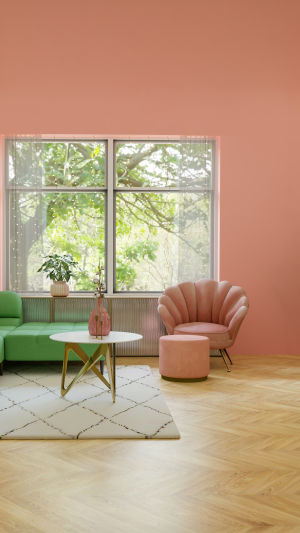
Walking into a room, the first thing you notice is color. It can make a space feel cozy, vibrant, or calming—but choosing the wrong colors can leave a room feeling cold or chaotic.
Picking the right palette doesn't have to be overwhelming. With a few strategies, you can create harmony and style that reflects your personality.
<h3>1. Start with a Base Color</h3>
Every room needs a foundation.
1. Neutral Tones – Shades like soft beige, gray, or cream provide versatility and balance. They're easy to pair with accent colors and won't overpower the space.
2. Consider Light – Observe how natural light enters your room. North-facing rooms benefit from warmer tones, while south-facing spaces handle cooler shades well.
3. Personal Preference – Your base color should resonate with you—it's the color you'll see most, so make sure it feels comfortable.
<h3>2. Choose Complementary Colors</h3>
Once you have a base, add colors that enhance it.
1. Color Wheel Guidance – Look for colors opposite each other on the wheel, such as blue and orange or purple and yellow. These create dynamic contrast.
2. Two-Color Rule – Stick to two dominant colors plus your base. Too many competing shades can make a room feel cluttered.
3. Accent Pieces – Use cushions, rugs, or artwork to introduce these complementary colors subtly.
<h3>3. Incorporate Texture and Patterns</h3>
Color isn't just about paint—materials add depth.
1. Different Materials – Wood, metal, and fabrics in your chosen colors can create a layered, interesting look.
2. Patterns – Stripes, geometric designs, or florals can tie colors together without overwhelming the room.
3. Balance – If you use bold patterns, balance them with solid tones to keep the room grounded.
<h3>4. Test Colors Before Committing</h3>
Never rely solely on a paint sample in the store.
1. Sample Boards – Paint swatches on large cards and view them at different times of day.
2. Small Walls – Try painting a section of the wall to see how it interacts with furniture and light.
3. Observe for a Few Days – Color changes with light throughout the day, so give your eyes time to adjust.
<h3>5. Use Color Psychology</h3>
Colors influence mood and perception.
1. Warm Tones – Reds, oranges, and yellows feel energizing and welcoming. Ideal for kitchens or living rooms.
2. Cool Tones – Blues, greens, and purples promote relaxation, making them perfect for bedrooms or bathrooms.
3. Neutral and Soft Pastels – Create a serene, open feeling, helping small spaces appear larger and calmer.
<h3>6. Create a Cohesive Flow</h3>
Your home should feel connected, not a series of separate rooms.
1. Carry Colors Throughout – Pick one or two accent colors to repeat in multiple rooms for unity.
2. Transitional Spaces – Hallways or staircases can blend tones from adjoining rooms to maintain flow.
3. Layer Gradually – Start with subtle shades and gradually add bolder tones as you move through the home.
<h3>7. Trust Your Instincts</h3>
While guidelines help, your taste is the ultimate compass.
1. Live with Samples – Spend a few days with swatches or temporary decor before committing fully.
2. Mix Comfort with Creativity – Don't be afraid to experiment with unexpected combinations if they bring joy.
3. Evolve Over Time – Your preferences may shift; updating accents is simpler than repainting entire walls.
Choosing the right color palette is a balance of planning and intuition. By starting with a base, adding complementary tones, considering textures, testing colors, and keeping flow and mood in mind, you can create spaces that feel both stylish and welcoming. Your home's colors should tell a story—one that reflects your personality while enhancing everyday living. Remember, color is powerful; use it thoughtfully and watch your rooms come alive.


