

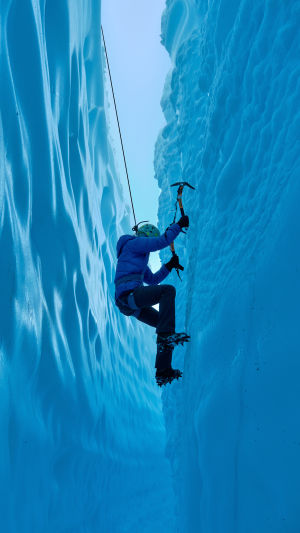
Ice climbing is a thrilling yet demanding sport that combines strength, precision, and strategy.
Scaling frozen waterfalls and steep ice walls can be exhilarating, but the activity carries inherent risks.
Proper gear is not just a convenience—it's a lifeline. Understanding what equipment is essential, how it functions, and how to maintain it can make the difference between an unforgettable climb and a dangerous situation.
<h3>Clothing and Protection</h3>
Ice climbers face extreme cold, wind, and moisture, so layering is critical.
<b>1. Base Layer:</b> Moisture-wicking thermal fabrics like merino wool or synthetic blends keep sweat away from the skin, preventing chills.
<b>2. Insulating Layer:</b> Lightweight fleece or down jackets trap warmth without restricting movement, allowing climbers to swing axes and maneuver effectively.
<b>3. Outer Shell:</b> Waterproof, windproof, and breathable jackets and pants are essential to repel snow and ice while letting moisture escape.
<b>4. Gloves and Headwear:</b> Insulated gloves with good grip ensure dexterity for handling ropes and axes. A warm hat or helmet liner protects against frostbite while maintaining comfort under a helmet.
<h3>Footwear</h3>
Proper footwear is the foundation of safe ice climbing.
<b>1. Ice Climbing Boots:</b> Rigid, insulated boots provide support and warmth while maintaining compatibility with crampons. Lightweight boots reduce fatigue, but stability should never be sacrificed.
<b>2. Crampons:</b> Metal spikes that attach to boots to provide traction on icy surfaces. Modern designs allow secure footing on vertical ice and mixed terrain, while anti-balling plates prevent snow from sticking underfoot.
<h3>Technical Tools</h3>
The tools of ice climbing are highly specialized and designed for efficiency and safety.
<b>1. Ice Axes:</b> Ergonomic ice axes allow climbers to anchor themselves and move upward efficiently. Some are modular, with interchangeable picks for different ice conditions.
<b>2. Ropes and Harnesses:</b> Dynamic climbing ropes absorb the impact of falls. Paired with a well-fitted harness, they form the core of the safety system. Learning knots and rope techniques is crucial for effective climbing.
<b>3. Ice Screws:</b> Screw-shaped anchors drilled into ice to secure the rope. Proper placement ensures protection during upward climbs and protects against long falls.
<b>4. Carabiners and Quickdraws:</b> Connect anchors, harness, and rope securely. Strength-rated, lightweight designs reduce load while maintaining safety.
<h3>Additional Safety Essentials</h3>
Beyond the basic gear, a few additional items can prevent accidents and improve the experience.
<b>1. Helmet:</b> Protects from falling ice, debris, and accidental tool strikes.
<b>2. Goggles or Sunglasses:</b> Reduce glare from reflective ice and snow, preventing eye strain and improving visibility.
<b>3. Emergency Gear:</b> Avalanche beacon, first-aid kit, and a communication device are vital, especially in remote areas. Always check weather conditions and route difficulty before attempting climbs.
<h3>Conclusion</h3>
Ice climbing is an intense blend of skill, courage, and preparation. Choosing the right gear, from insulated layers to technical tools, ensures not only a successful climb but also safety and confidence on ice. Each item has a role: clothing protects the body, boots and crampons stabilize footing, and technical tools allow upward progress. By understanding and investing in proper equipment, climbers can transform potentially risky climbs into thrilling, rewarding adventures. The mountains are majestic but unforgiving—preparation is key to fully enjoying the beauty and challenge of frozen landscapes.


