

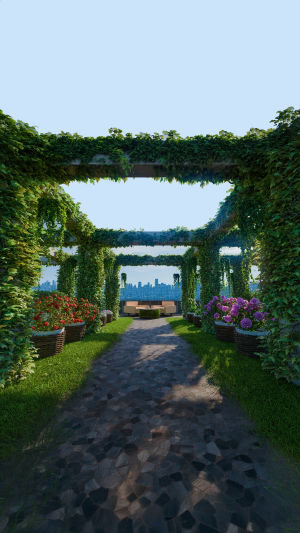
Imagine looking out over a city skyline, not of concrete and glass, but of living rooftops covered in lush plants. Green roofs and urban greening projects are redefining how cities breathe, function, and feel.
They cool hot streets, clean the air, and provide people with a closer connection to nature—even in the densest urban areas. Whether you're a city dweller, a homeowner, or just someone who loves greenery, these ideas show how small spaces can make a big environmental difference.
<h3>The Beauty and Benefits of Green Roofs</h3>
Green roofs aren't just beautiful—they're functional ecosystems designed for the modern city. Picture layers of soil, plants, and waterproof membranes turning an unused rooftop into a thriving patch of green life. Beyond their visual charm, they provide countless environmental benefits that make urban living more sustainable and enjoyable.
<b>Bringing Nature Back to the City</b>
Urban life often separates people from the natural world, but green roofs bridge that gap. They introduce vegetation where it's least expected—on top of buildings—helping restore biodiversity in areas dominated by concrete. Birds, butterflies, and bees find refuge among the flowers and grasses, turning rooftops into mini ecosystems that support pollination and wildlife balance. You're not just decorating a building—you're reintroducing nature one rooftop at a time.
<b>Cooling and Cleaning the Air</b>
Cities are known for the "heat island" effect, where asphalt and buildings absorb sunlight and trap heat. Green roofs act as natural insulation, keeping buildings cooler in summer and warmer in winter. This reduces the need for air conditioning, lowering energy consumption and greenhouse gas emissions. Plus, plants filter dust and pollutants from the air, improving urban air quality. Even a small rooftop garden can help lower surrounding temperatures and make the air cleaner for everyone.
<b>Managing Rain the Smart Way</b>
Rainwater runoff can overwhelm city drainage systems and cause flooding, but green roofs absorb and store much of that water. Layers of soil and plants act like a sponge, slowing runoff and purifying it naturally before it returns to the environment. This not only reduces flood risk but also conserves water by keeping it in the ecosystem longer. For cities struggling with stormwater management, this simple layer of green is a game-changer.
<b>Boosting Well-Being and Creativity</b>
Green spaces, even small ones, have a calming effect. Rooftop gardens provide peaceful escapes for residents and workers alike—places to relax, meditate, or enjoy lunch surrounded by nature. Studies show that being near greenery reduces stress and sparks creativity. So while your green roof cools the air, it also warms the heart, bringing a sense of balance to busy urban life.
<h3>How Urban Greening Transforms Communities</h3>
Beyond rooftops, the movement toward urban greening spreads life across entire neighborhoods. Parks, vertical gardens, and pocket forests make cities more livable and resilient. When communities embrace greenery, they aren't just beautifying spaces—they're creating healthier futures together.
<b>From Streets to Skylines</b>
Urban greening takes many forms, from tree-lined sidewalks to walls covered in ivy. Street trees lower noise levels, clean the air, and offer shade that encourages walking and outdoor activity. Vertical gardens—plants growing up walls or fences—add color and freshness to tight urban spaces. Even small efforts, like adding window boxes or community planters, contribute to a larger network of green that benefits everyone.
<b>Community Gardens and Shared Spaces</b>
When people garden together, they grow more than plants—they grow connections. Community gardens bring neighbors together, teach children where food comes from, and promote sustainable habits. Vacant lots can become shared vegetable gardens or pollinator habitats that turn gray corners into vibrant hubs of life. You don’t need a large space to join the movement; even a few potted herbs on a balcony can make a difference.
<b>Healthier Living, Naturally</b>
Cities filled with greenery encourage healthier lifestyles. More plants mean cleaner air, cooler streets, and inviting outdoor spaces that motivate people to walk or cycle. Green spaces also reduce noise pollution and lower stress levels, creating environments where both body and mind can thrive. Think of urban greening as a natural wellness plan for entire communities—one that grows stronger the more people participate.
<b>Simple Ways to Start</b>
You don't have to own a skyscraper to make a difference. Start small: plant native flowers in your yard, join a local tree-planting project, or advocate for rooftop gardens in your building. If you have a balcony or terrace, use planters with pollinator-friendly species. Every patch of green adds up, weaving nature back into the urban fabric one leaf at a time.
Green roofs and urban greening show that sustainability can be beautiful, practical, and deeply human. They bring nature back into our daily lives, cooling cities, cleaning the air, and creating peaceful spaces that inspire community. Whether it's a rooftop garden high above the street or a shared green patch between buildings, these living designs show that cities don’t have to be gray—they can be alive, growing, and full of hope. With each new leaf planted, we build not just greener cities, but brighter futures.


