

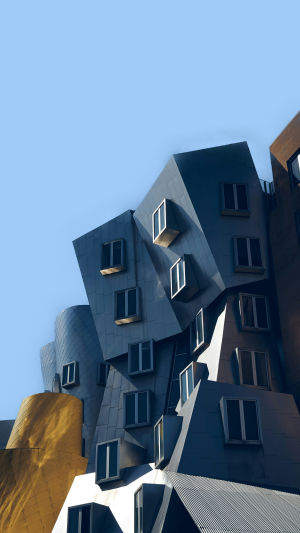
Have you ever wondered how a building's material can completely change its look and feel?
From the majestic steel skyscrapers to the timeless charm of brick cottages, the materials used in architecture play a fundamental role in shaping the structures we admire.
But it's not just about aesthetic appeal—materials also influence a building's functionality, durability, and even its environmental footprint. In this article, we'll explore how different materials have shaped architecture throughout history and continue to impact modern design.
<h3>The Foundation of Design: Stone</h3>
Stone is one of the oldest materials used in construction, and for good reason. From the ancient pyramids to modern-day castles, stone has been a symbol of permanence and strength. Its ability to withstand the test of time is one of its biggest advantages.
<b> Durability and Strength: </b>Stone's natural durability makes it perfect for heavy-duty structures. In ancient architecture, stone was used for massive structures such as temples and city walls because it could support great weight without crumbling. The iconic Parthenon in Athens, built using Pentelic marble, remains a testament to the durability of stone even after thousands of years.
<b> Variety in Aesthetics: </b>Different types of stone offer unique textures and colors. Marble, granite, and sandstone are often chosen not just for their strength but also for their beauty.
<b> Thermal Mass: </b>One of stone's benefits is its thermal mass. It absorbs and retains heat, which can help regulate a building's temperature. In hot climates, this keeps buildings cool during the day and warm at night. It's an ancient form of passive heating and cooling still used in modern buildings.
<h3>The Rise of Steel and Iron: Structural Innovation</h3>
While stone was the go-to material for millennia, the Industrial Revolution ushered in a new age of construction. Steel and iron quickly became central to modern architecture, particularly in cities where space was limited.
<b> Building Upwards: </b>Steel's strength-to-weight ratio is unparalleled, allowing architects to create taller and more stable structures than ever before. The Eiffel Tower in Paris, made almost entirely of iron, was one of the first large-scale structures to demonstrate the power of metal in architecture. Later, steel skyscrapers like the Empire State Building set the foundation for modern cities.
<b> Flexibility in Design: </b>Steel offers a level of flexibility that stone and wood can't match. It allows for open spaces with fewer internal support columns. This is why you'll often see wide, open-plan office spaces or large atriums in modern commercial buildings. Steel is also highly customizable, with various alloys that can add corrosion resistance or flexibility.
<b> Sustainability: </b>Steel, while initially resource-intensive, is highly recyclable. Today's architects are increasingly using recycled steel to reduce environmental impact, making it an eco-friendly material option for new buildings. Steel's strength also means fewer materials are needed, reducing the carbon footprint of a building.
<h3>The Beauty and Warmth of Wood</h3>
Wood is another age-old material that has withstood the test of time. While stone and metal might represent strength, wood often symbolizes warmth and a connection to nature. It's still widely used today, but its application has evolved over time.
<b> Natural Aesthetic: </b>One of wood's main appeals is its natural aesthetic. The grain, color, and texture can create a warm, inviting atmosphere in a home or public building. Architects often use wood in interiors to soften the harshness of stone and steel, providing a balance between modern and natural elements. The use of timber framing in homes and public buildings provides an organic look that is both timeless and stylish.
<b> Sustainability: </b>Wood is a renewable resource, making it an environmentally friendly option when sourced sustainably. Many architects and builders are turning to timber as a solution to reduce the carbon footprint of construction. Modern engineered wood products, such as cross-laminated timber (CLT), offer incredible strength and can be used for multi-story buildings, making it a viable alternative to steel and concrete in some applications.
<b> Insulation Properties: </b>Wood naturally insulates against heat and sound. In colder climates, wooden homes and buildings can retain warmth more efficiently than those made from brick or stone. This makes wood a great choice for environmentally conscious design, as it reduces the need for artificial heating and cooling systems.
<h3>Concrete: The Modern Marvel</h3>
Concrete has evolved from a simple construction material to a cornerstone of modern architecture. With its versatility, strength, and cost-effectiveness, it's one of the most used materials worldwide.
<b> Versatility: </b>Concrete can be molded into virtually any shape, allowing for a range of architectural designs. Whether it's the sleek curves of the Sydney Opera House or the sharp lines of Brutalist buildings, concrete is malleable and versatile. Its ability to be cast into intricate forms has made it a staple in both commercial and residential architecture.
<b> Cost-Effectiveness:</b> Concrete is often much cheaper than steel or stone. Its availability and ease of use make it an economical choice for large projects. Additionally, concrete structures are highly durable and require little maintenance, offering long-term value.
<b> Sustainability and Innovation: </b>While concrete production is energy-intensive, there's growing interest in creating sustainable alternatives. Green concrete, made with recycled materials, and new methods of production are reducing its environmental impact. Some architects even use concrete in combination with other materials, like glass and wood, to create innovative designs that minimize waste.
<h3>Glass: The Transparent Revolution</h3>
Glass is a relatively modern material in the world of architecture, but its role in design has expanded dramatically in recent decades. As buildings become more transparent, glass is used not only for windows but also as a primary structural element.
<b> Light and Transparency: </b>Glass allows for natural light to flood a building, creating airy and bright spaces. Modern architecture, especially in commercial buildings, uses large glass panels to provide panoramic views and a sense of openness. Buildings like the Burj Khalifa's glass curtain wall demonstrate how glass can be used to push the boundaries of architecture.
<b> Energy Efficiency: </b>Thanks to advancements in glass technology, modern glass can help regulate a building's temperature. Low-emissivity (Low-E) glass, for example, reflects heat while letting in light, helping reduce energy consumption. This makes it an energy-efficient option, especially in buildings with large glass surfaces.
<b> Aesthetic Appeal: </b>Glass brings a modern, sleek touch to buildings. Its reflective qualities and ability to create seamless transitions between indoor and outdoor spaces make it a popular choice for contemporary architecture.
<h3>How Materials Influence Architecture's Future</h3>
As we continue to push the boundaries of design, new materials and construction techniques will undoubtedly shape the future of architecture. Sustainable materials, recycled options, and innovations in technology will allow us to build more energy-efficient, eco-friendly structures while still achieving striking, functional designs.
Materials are no longer just a means to an end—they're an essential part of creating buildings that stand the test of time, both in form and function.
Whether you're walking down a bustling city street or admiring a historical monument, take a moment to think about the materials around you. They not only tell the story of the building itself but also of the ingenuity, creativity, and purpose that shaped it. And as we continue to innovate, materials will play an even more important role in creating the world of tomorrow.


