

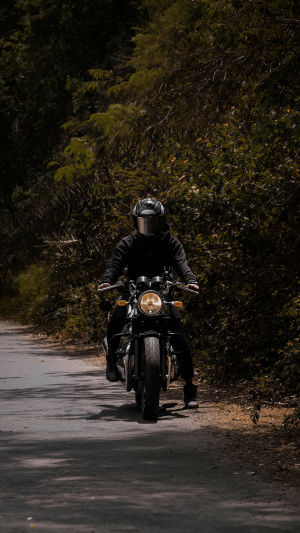
You zip up your riding jacket and take off, feeling the wind slice across the open roads.
A strong gust can make a ride uncomfortable—or even dangerous—if your gear isn't designed to resist it.
Windproof riding clothing isn't just for comfort; it helps maintain focus and reduces fatigue on every trip.
<h3>Materials That Block the Wind</h3>
The first line of defense is the material itself. Modern riding gear uses tightly woven textiles or treated leather to block wind. Softshell fabrics and laminated membranes create barriers without sacrificing mobility.
<b>Key features:</b>
- Dense textile layers to reduce airflow.
- Laminated windproof membranes inside jackets or pants.
- Leather panels for natural wind resistance in critical areas.
For instance, a commuter navigating a windy coastal highway noticed less chill when wearing a jacket with a built-in windproof membrane, allowing them to maintain focus and control during long stretches.
<h3>Design Elements That Keep Riders Protected</h3>
Beyond materials, the design of riding gear plays a major role in wind resistance. High collars, adjustable cuffs, and tight hems prevent air from entering.
<b>Design tips:</b>
- High necklines and chin guards block gusts from the collar.
- Adjustable cuffs keep sleeves snug over gloves.
- Hem cinches or waist straps prevent drafts at the jacket's bottom.
A sport rider found that a jacket with a high collar and snug cuffs reduced wind noise and prevented cold air from chilling the torso on early morning rides, making even long highway trips more comfortable.
<h3>Layering and Ventilation</h3>
Even windproof gear needs balance—too little ventilation can trap heat, while too much leaves you exposed. Strategic layering and vents keep temperatures regulated without compromising protection.
<b>Practical advice:</b>
- Wear moisture-wicking base layers to manage sweat.
- Use removable inner liners for added insulation in colder weather.
- Open or close vents depending on speed and temperature to prevent overheating.
For example, a touring rider on a variable-weather route relied on a zip-out thermal liner and adjustable vents. Midday warmth allowed vents to open, while cold mountain passes prompted the use of the liner, keeping comfort consistent.
<h3>Protective Extras Against Gusts</h3>
Windproof gear often includes extra features to reduce strain from strong air resistance. Shoulder and back panels, ergonomic sleeves, and reinforced closures maintain posture and stability.
<b>Extra features to check:</b>
- Reinforced back panels to resist constant wind pressure.
- Ergonomic sleeves that prevent flapping at high speeds.
- Secure zippers and Velcro to maintain a snug fit.
A rider on a high-speed ride through open plains noticed that a reinforced back panel prevented jacket lift, reducing fatigue from having to brace against the wind constantly.
<h3>Maintaining Gear for Long-Term Performance</h3>
Windproof effectiveness can decline over time if gear isn't cared for. Cleaning, conditioning, and checking closures keep your clothing performing optimally.
<b>Maintenance tips:</b>
- Wash according to material instructions to maintain membrane integrity.
- Condition leather or treat fabrics to preserve flexibility and wind resistance.
- Inspect cuffs, collars, and hems for wear or loosening.
A weekend rider who regularly washed and conditioned their leather jacket maintained windproof performance for years, avoiding stiffness or draft issues that older, neglected gear developed.
Windproof riding gear is a critical investment for safety, comfort, and performance. Proper materials, thoughtful design, and ongoing maintenance ensure you stay protected from gusts and cold, letting every ride remain focused, controlled, and enjoyable.


