

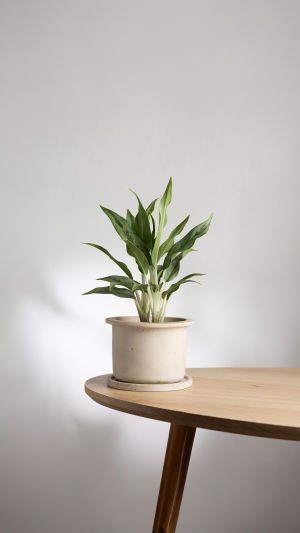
Houseplants can instantly brighten a room, but they sometimes start to look tired, droopy, or discolored without warning.
Because indoor environments differ greatly from the natural habitats many plants come from, problems can appear even when you think you're caring for them properly.
The good news is that most struggling houseplants can recover once the root cause is identified. By paying attention to visible symptoms and adjusting their environment, you can often restore your plant's health surprisingly quickly.
<h3>Understanding Indoor Plant Challenges</h3>
Houseplants are often tropical species that naturally grow in warm, humid environments. Inside homes, however, they must adapt to dry air, fluctuating temperatures, limited sunlight, and inconsistent watering schedules. These factors can easily stress a plant if conditions are not balanced.
Before bringing a plant home, it helps to research its basic needs. Some thrive in bright windows, while others prefer shade. Buying plants from reputable suppliers and placing them in suitable spots can prevent many issues from developing in the first place.
<h3>Preparing for a Plant Health Check</h3>
A simple inspection can reveal a lot about what your plant is experiencing. Useful tools include gloves, pruning scissors, and a magnifying glass for spotting small pests or unusual growth patterns.
If you own several houseplants, it is wise to isolate any plant that appears unhealthy. Separating it from others prevents potential pests or diseases from spreading while you diagnose the problem.
<h3>Checking for Light Problems</h3>
Insufficient light often leads to weak stems, pale leaves, and slow growth. Plants may stretch toward the nearest window, creating thin, leggy stems. Lower leaves might also yellow and fall as the plant struggles to maintain energy.
Too much sunlight can also be harmful. Direct rays, especially through bright windows, may scorch leaves and leave brown patches or faded areas. Plants that prefer shade often display shriveled leaves when exposed to excessive light.
<h3>Evaluating Watering Habits</h3>
Underwatering typically causes drooping leaves, dry soil, and brown, crispy edges. Flowers may fade quickly, and older leaves often turn yellow first. Checking the moisture level in the soil with your finger can help determine when watering is necessary.
Overwatering is another common mistake and can produce similar wilting symptoms. When soil remains constantly wet, roots may rot, causing leaves to yellow and drop simultaneously. Soft stems, mould growth, and dark roots are additional warning signs.
<h3>Considering Temperature Conditions</h3>
Plants placed in very warm areas may experience heat stress. Leaves can curl, wilt, or develop dry patches when temperatures are too high.
Cold conditions can be just as damaging. Blackened leaves, drooping stems, and sudden plant collapse often indicate exposure to low temperatures or cold drafts.
<h3>Looking at Humidity Levels</h3>
Dry indoor air frequently causes crispy leaf tips and edges. This problem is especially common when heating systems run continuously, reducing humidity levels in living spaces.
Increasing moisture around plants can help. Grouping plants together or placing pots on trays filled with damp pebbles allows evaporation to raise humidity slightly around the foliage.
<h3>Identifying Nutrient Deficiencies</h3>
Houseplants often stay in the same container for long periods, eventually exhausting the nutrients in their soil. When growth slows and leaves appear pale, the plant may require fresh potting mix or additional feeding.
Repotting into new soil can replenish nutrients, while liquid fertilizers applied during active growth periods can provide extra support for stronger leaves and flowers.
<h3>Checking for Insect Pests</h3>
Tiny insects that feed on plant sap can weaken foliage and reduce overall vigor. These pests may be visible on stems or leaf undersides and are easier to detect with a magnifying glass.
Regular inspection helps catch infestations early. Small numbers of insects can often be removed by gently wiping leaves or physically removing them.
<h3>Recognizing Plant Diseases</h3>
Some houseplants develop fungal diseases, especially in environments with poor air circulation. A grey, fuzzy coating on leaves or stems may indicate mould growth.
White powdery patches, dark leaf spots, or unusual discoloration may also signal disease problems. Improving airflow and avoiding overly damp conditions can reduce the likelihood of these issues.
<h3>Examining the Surrounding Environment</h3>
Plants positioned near heaters or radiators may develop scorched leaves due to excessive heat. Likewise, cold drafts from windows or doors can cause yellowing leaves and dry edges.
Household sprays, cleaning products, and mineral deposits from hard water can also mark leaves with pale spots or residue, affecting their appearance.
<h3>Helping Your Plant Recover</h3>
Once the underlying problem is identified, adjustments can be made. This might involve changing the plant's location, modifying watering habits, increasing humidity, or repotting into fresh soil.
Damaged leaves that are completely brown or yellow should be trimmed away with clean scissors. Leaving mostly healthy leaves in place allows the plant to continue producing energy while new growth develops.
Healthy houseplants depend primarily on the right conditions rather than complicated treatments. By observing your plant carefully and adjusting light, water, temperature, and soil as needed, you can often restore its vitality. With patience and attentive care, even a struggling plant can bounce back and thrive once again.🌿


