

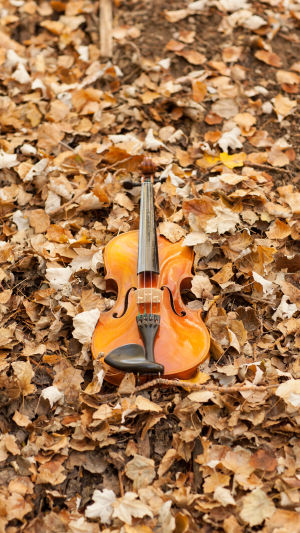
Watching a young musician struggle with a violin that feels too heavy or produces uneven sounds is a reminder that the right instrument can transform the learning experience.
Selecting a violin isn't just about price or appearance; it's about matching the instrument to skill level, body size, and musical goals. A carefully chosen violin can inspire practice, improve technique, and cultivate a lifelong love for music.
<h3>Understanding Skill Levels</h3>
For beginners, comfort and simplicity are key. A violin that is too complex or overly expensive can be discouraging. Lightweight models with clear tone and reliable tuning mechanisms help new players focus on posture, bowing, and finger placement rather than struggling with the instrument itself. Intermediate players need violins that offer greater tonal nuance and responsiveness.
At this stage, musicians begin exploring expressive techniques and subtle dynamics, so a violin with balanced resonance and smooth playability is crucial. Professionals require instruments with exceptional craftsmanship, fine-tuned acoustics, and a rich, nuanced sound.
These violins respond precisely to subtle movements, allowing advanced players to fully express interpretation and emotion.
<h3>Size Matters</h3>
Choosing the right size is essential, especially for younger players. Violins come in full-size and fractional sizes such as 1/2, 3/4, and 7/8. The proper size ensures comfortable hand placement and posture, reducing strain and encouraging correct technique. For adults, full-size violins are standard, but comfort is still important; a violin that feels awkward can hinder performance regardless of skill. Trying different sizes in person helps players feel the instrument's balance and reach, which is often more informative than measurements alone.
<h3>Material and Craftsmanship</h3>
The quality of wood and construction affects sound and durability. Beginner violins often use laminated wood, which is more affordable and resistant to changes in humidity. Intermediate and professional violins typically feature solid spruce tops and maple backs, offering superior resonance and tonal depth.
Craftsmanship impacts not only sound but also playability; smooth fingerboards, precise string placement, and a well-fitted bridge make practicing and performing more enjoyable. Visiting a luthier or reputable music store allows players to compare tonal qualities and feel firsthand how different violins respond to touch and bowing.
<h3>Budget and Longevity</h3>
Price does not always indicate suitability, but it is a practical consideration. Beginners can start with affordable options that still maintain decent tone quality. As skill improves, upgrading to a violin with better materials and craftsmanship can enhance musical growth.
Investing in a quality violin for intermediate or advanced players is often more cost-effective in the long run, as the instrument can last for decades with proper care. Accessories such as a quality bow, rosin, and protective case also contribute to performance and longevity.
<h3>Testing Before Choosing</h3>
Trying multiple violins is the best way to make an informed choice. Play each violin for tone, comfort, and ease of use. Listen for clarity, resonance, and balance across strings. Pay attention to how it feels during long practice sessions. For intermediates and professionals, recording or performing short pieces can reveal subtle differences that may not be noticeable in casual play.
Personal preference matters just as much as technical specifications; a violin that feels inspiring will motivate consistent practice and improvement.
Selecting the right violin is more than a purchase; it's an investment in skill, confidence, and musical enjoyment. The perfect instrument bridges the gap between effort and expression, making practice feel rewarding and performance natural.
Whether starting a first lesson or preparing for a concert stage, a violin that fits the player's needs encourages growth and deepens the connection to music. Taking the time to explore options, test instruments, and consider skill level and size ensures that each note played resonates with both precision and joy.


