

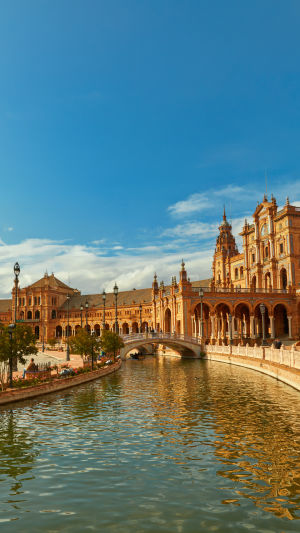
Walking into the Plaza de España feels like stepping onto a vibrant film set where Renaissance dreams meet Moorish grandeur.
Located in the heart of Seville's Maria Luisa Park, this semi-circular brick marvel is more than just a public square; it is a symphony of light, color, and intricate tile work.
Whether you are navigating the mini canals by boat or admiring the towering North and South Towers, every inch of this 50,000-square-meter plaza tells a story of craftsmanship and national pride.
Plaza de España
<h3>Architectural Wonders and History</h3>
The plaza was designed by Aníbal Gonzalez for the Ibero-American Exposition. The architecture is a stunning blend of Neo-Renaissance and Mudéjar styles. The most striking feature is the massive semi-circular building that hugs the edges of the plaza, representing an embrace of former territories.
Running along the base of this building are 48 tiled alcoves, each dedicated to a Spanish province. These benches are decorated with "azulejos" (painted ceramic tiles) that depict historical maps and scenes from each region. You will often see visitors from across the country hunting for the bench that represents their hometown for a quick photo. Above these alcoves are the busts of famous figures, adding a layer of historical gravity to the whimsical design.
<h3>Navigating the Canals and Bridges</h3>
The "Venice of Seville" features a 500-meter-long canal that follows the curve of the building. Four ornate bridges span the water, representing the four ancient kingdoms: Castille, Aragon, Navarre, and Leon. These bridges are heavily decorated with blue and white ceramic railings, creating a sharp contrast against the warm orange bricks.
For a few dollars, you can rent a small rowboat to drift under the bridges and get a unique perspective of the central fountain. The Vicente Traver fountain sits at the heart of the plaza, often creating rainbows in the mist that cool down the intense Andalusian sun. This area is also a popular spot for street performers; don't be surprised to find professional dancers performing on the marble steps, their heels clicking rhythmically against the stone.
<h3>Essential Visitor Logistics</h3>
To make the most of your visit, it is vital to plan for the heat and the crowds. The plaza is an open-air space, meaning it can get exceptionally hot during the afternoon.
<b>Practical Travel Information:</b>
1. Transportation: The plaza is easily accessible via the Metro (L1, Plaza de Cuba or Prado de San Sebastián stations). Taxis are plentiful, but walking through the Maria Luisa Park is the most scenic route.
2. Opening Hours: The plaza is a public space and is generally open from 8:00 AM to 10:00 PM (closing at midnight during the summer months).
3. Admission Prices: Entry to the plaza itself is free for all visitors.
4. Activity Costs: Rowboat rentals cost approximately $7 for 35 minutes. Larger motorboat tours are around $12 per person.
5. Accommodation Options: Staying in the nearby El Porvenir or Santa Cruz districts is recommended. Mid-range hotels like Hotel Pasarela or Melia Sevilla typically range from $130 to $210 per night. Luxury stays at the nearby Hotel Alfonso XIII can exceed $500 per night.
<h3>Photography and Best Views</h3>
If you want the perfect shot without the crowds, arrive at sunrise. The soft morning light illuminates the bricks in a deep gold hue. For a panoramic view, head to the balconies on the second floor of the main building. Access is free, and it provides a sprawling vantage point over the towers and the park. Film buffs will recognize the curved corridors from major sci-fi blockbusters, where it served as a royal palace on a distant planet.
<h3>A Masterpiece of Ceramic Art</h3>
The level of detail in the ceramic work is unparalleled. Beyond the provincial benches, look closely at the balustrades and the ceilings of the covered walkways. The artisans used traditional techniques from the nearby Triana neighborhood. These tiles are not just decorative; they serve as a cooling element for the structure, reflecting heat while providing a glossy, clean aesthetic that has survived nearly a century of weather.
Plaza de España is not merely a monument; it is the soul of Seville. From its historical symbolism of the provinces to the peaceful experience of rowing through its canals, it offers a sensory experience that defines the region. Whether you are a history enthusiast, a cinema lover, or a casual traveler, this plaza remains an essential stop for anyone seeking the true essence of Andalusia.


