

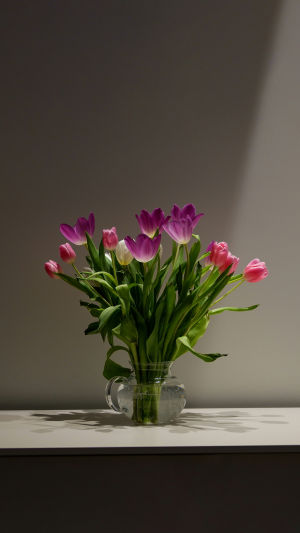
There’s something unmistakably uplifting about a fresh bouquet of tulips—their soft petals, vibrant colors, and elegant stems can brighten any space.
Yet tulips are also famously delicate. Within a day or two, you may notice them bending, drooping, or losing their structure.
While this can feel like the natural end of their lifespan, many of these signs are reversible with the right care. Reviving tulips in a vase is less about luck and more about understanding how these flowers behave after being cut.
<h3>Why Tulips Wilt Faster Than Other Flowers</h3>
Unlike many cut flowers, tulips continue to grow even after being placed in a vase. Their stems elongate and respond to light, which often causes them to curve dramatically. This characteristic, known as phototropism, makes them unique—but also more prone to appearing wilted.
Another factor is water uptake. Tulip stems can seal at the cut end, limiting their ability to absorb water effectively. When hydration is compromised, the flowers quickly lose firmness. Temperature fluctuations, bacteria in the water, and exposure to ethylene gas (released by ripening fruit) can further accelerate deterioration.
<h3>The First Step: Rehydration Done Right</h3>
If your tulips are already drooping, the most immediate solution is proper rehydration. Start by removing the bouquet from the vase and rinsing the stems under cool, clean water. Then, using a sharp tool, trim about one to two centimeters off each stem at a slight angle. This fresh cut reopens the water channels, allowing better absorption.
Place the tulips in a tall container filled with cold water. The height of the container matters—it helps support the stems while they regain strength. For best results, wrap the flowers loosely in paper (such as newspaper) and let them sit upright in water for a few hours. This encourages the stems to straighten as they rehydrate.
<h3>The Role of Clean Water and Vase Hygiene</h3>
Water quality plays a critical role in maintaining tulip vitality. Bacteria build-up in the vase can block the stems’ ability to absorb water, leading to premature wilting. Always clean your vase thoroughly before use, ideally with warm water and mild soap. Once the tulips are arranged, change the water daily or at least every two days.
Each time you refresh the water, consider trimming the stems slightly again. This routine prevents blockages and ensures a continuous flow of hydration.
<h3>A Simple Trick: Supporting Weak Stems</h3>
When tulip stems become too soft to stand upright, there’s a practical technique to help them recover. After trimming and wrapping the bouquet in paper, place the stems in deep water and leave them undisturbed for several hours. The combination of hydration and external support often restores their vertical posture.
In some cases, you can also use a pin to gently pierce the stem just below the flower head. This allows trapped air to escape, improving water flow. While this method should be used sparingly, it can be effective for particularly stubborn blooms.
<h3>Understanding Natural Movement</h3>
Not all bending is a sign of decline. Tulips naturally move and shift throughout the day as they respond to light sources. This behavior can actually add character to an arrangement, giving it a more organic and dynamic appearance. Instead of trying to force perfectly straight stems, consider rotating the vase periodically. This encourages balanced growth and prevents excessive leaning in one direction.
<h3>Extending Their Beauty Beyond Expectations</h3>
With attentive care, tulips can last up to a week or more in a vase. The key lies in consistency—clean water, regular trimming, and a stable environment. Small details, such as removing any leaves that sit below the waterline, can make a noticeable difference by reducing bacterial growth. If some flowers begin to fade earlier than others, remove them promptly. This prevents decay from affecting the rest of the bouquet and keeps the arrangement looking fresh.
Tulips remind us that beauty doesn’t have to be permanent to be meaningful. By learning how to revive and care for them, you’re not just extending their life in a vase; you’re engaging in a quiet act of preservation.


