

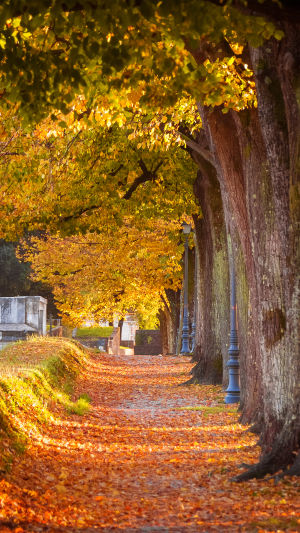
Stepping into Lucca feels like entering a place that has carefully preserved its own rhythm. Unlike rapidly expanding urban areas, Lucca remains enclosed within its Renaissance walls, creating a rare sense of continuity.
The air is calm, the streets are compact, and movement feels naturally unhurried. Walking becomes the best way to experience the city's atmosphere.
Lucca
<h3>The Famous City Walls</h3>
One of Lucca's most distinctive features is its fully preserved city walls. Unlike many historic fortifications elsewhere, these structures remain intact and have been transformed into a public walking and cycling route.
Key features include:
• Wide tree-lined pathways on top of the walls
• Elevated views over rooftops and towers
• A continuous circular route around the old town
• Resting areas overlooking the cityscape
This elevated green ring creates a natural boundary between historic life inside and the surrounding Tuscan landscape outside.
<h3>Historic Streets and Architecture</h3>
Inside the walls, the city reveals a dense but peaceful urban layout. Narrow streets open into small squares, each with its own identity and history.
Architectural highlights include:
1. Romanesque sacred buildings with detailed stone facades
2. Medieval towers rising above the skyline
3. Renaissance-style palaces
4. Hidden courtyards and shaded passageways
Among the most recognizable landmarks is Guinigi Tower, known for the trees growing on its rooftop, forming a rare blend of nature and architecture.
<h3>Everyday Life in the Old Town</h3>
Despite its historic appearance, Lucca is a living city where daily life unfolds naturally among ancient structures.
Locals and visitors share the same spaces—morning markets, quiet cafés, and open piazzas where conversations drift through the air.
Typical experiences include:
• Morning walks along cobblestone streets
• Coffee breaks in sunlit squares
• Small artisan shops and local goods
• Evening gatherings in open plazas
This balance of daily life and preserved heritage gives the city a grounded, authentic atmosphere.
<h3>How to Reach Lucca</h3>
Lucca is well connected within the Tuscany region, making it easy to access from nearby cities.
<b>1. By train</b>
Regular services connect Lucca with Pisa and Florence. Tickets usually range from $5–$15 depending on distance.
<b>2. By air</b>
The nearest major airport is Pisa International Airport, followed by a short train or bus ride costing around $5–$10.
<b>3. By bus</b>
Regional buses provide affordable connections between nearby towns, typically $3–$10 per trip.
<h3>What to See and Do</h3>
Lucca offers a mix of cultural landmarks and relaxed exploration opportunities.
1. Walk or cycle along the historic city walls
2. Visit central squares such as Piazza dell'Anfiteatro
3. Explore historic sites and museums
4. Discover artisan shops and local food spots
Each activity can be enjoyed at a relaxed pace without strict scheduling.
<h3>Accommodation and Costs</h3>
Staying in Lucca allows full immersion in its atmosphere, especially within the old town area.
• Budget stays: $70–$120 per night
• Mid-range hotels: $120–$220 per night
• Boutique or historic stays: $220–$400+ per night
Many accommodations are within walking distance of major attractions, making exploration easy and convenient.
<h3>Final Reflection</h3>
Lucca is defined by balance rather than scale. Its preserved walls, quiet streets, and layered history create a space where time feels steady and measured.
Walking through the city is less about ticking off landmarks and more about absorbing atmosphere—where architecture, daily life, and history exist in calm continuity.


