

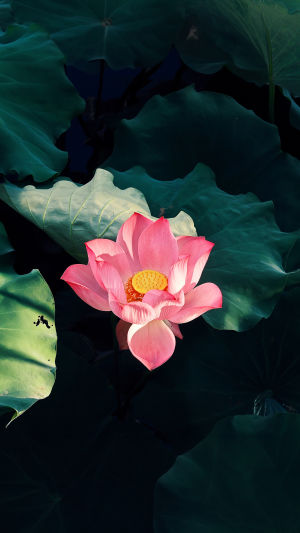
A still pond reflects the sky, and from its surface rises a flower untouched by the murky water below. The lotus appears almost unreal—petals clean, structure precise, and presence calm.
Yet behind this quiet beauty lies a set of biological traits that continue to intrigue scientists and nature observers alike.
<h3>The Self-Cleaning Effect</h3>
One of the most fascinating features of lotus flowers is their ability to stay clean. Water droplets roll off the surface of the petals, carrying away dust and tiny particles.
This phenomenon, often called the “lotus effect,” is caused by microscopic structures on the petal surface. These tiny textures reduce contact with water, preventing moisture and dirt from sticking.
• Water forms beads instead of spreading
• Dust particles attach to the droplets
• The surface remains clean without external force
This natural design has inspired innovations in materials that resist dirt and moisture.
<h3>Temperature Regulation Like No Other</h3>
Lotus flowers have the rare ability to regulate their internal temperature. Even when surrounding conditions fluctuate, the flower can maintain a stable internal environment.
This helps protect reproductive structures and ensures successful pollination. Few plants exhibit this level of thermal control, making the lotus a unique subject in plant physiology research.
<h3>Seeds That Last for Generations</h3>
Lotus seeds are known for their extraordinary longevity. Under the right conditions, they can remain viable for extremely long periods before germinating.
This resilience comes from a tough outer shell that protects the internal structure from environmental damage. Once conditions become favorable, the seed can begin growth even after extended dormancy.
<h3>Leaves Designed for Water Living</h3>
The leaves of the lotus are perfectly adapted to aquatic environments. They float on the water's surface or rise above it, depending on the species.
• Broad surface area maximizes sunlight absorption
• Water-repellent coating prevents saturation
• Flexible stems adjust to changing water levels
These features allow the plant to thrive in environments where many others cannot survive.
<h3>Root Systems Anchored in Mud</h3>
While the flower and leaves remain above water, the roots are firmly embedded in the pond bed. This anchoring system provides stability and access to nutrients.
The contrast between submerged roots and elevated blooms creates a structure that balances support with exposure to sunlight.
<h3>Daily Blooming Rhythm</h3>
Lotus flowers follow a distinct opening and closing cycle. Petals typically open during daylight and close as light fades.
This rhythm is linked to pollination patterns and environmental cues. The repeated opening and closing can continue for several days before the petals eventually fall.
<h3>Color Variations and Structure</h3>
Lotus flowers appear in a range of colors, including white, pink, and soft yellow tones. Their symmetrical arrangement gives them a balanced, geometric appearance.
The central seed pod remains after petals fall, continuing the life cycle of the plant in a visible and structured way.
<h3>Why the Lotus Stands Out</h3>
What makes the lotus remarkable is not just its appearance, but the combination of functions hidden within it. From self-cleaning surfaces to temperature control and long-lasting seeds, it represents a system of efficiency and resilience.
It grows in environments that appear challenging, yet produces one of the most refined and balanced forms in nature—a quiet reminder that complexity often exists beneath simplicity.


