

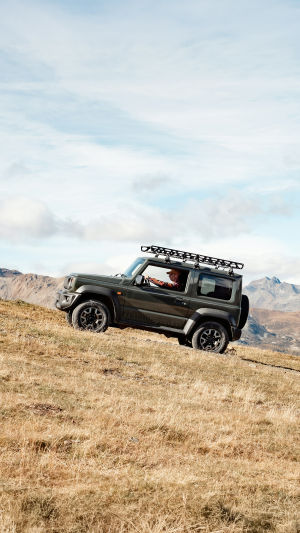
You turn the key, the engine hums, and the terrain ahead looks wild. Everything feels ready—until a small overlooked issue turns an exciting trip into a long wait in the middle of nowhere.
Off-road driving isn't forgiving. Unlike city roads, there's no quick assistance nearby, so preparation isn't optional—it's your safety net. A proper pre-trip check can be the difference between a smooth adventure and a stranded vehicle.
<h3>Tire Condition and Pressure</h3>
Your tires are the only contact between the vehicle and unpredictable terrain. Before heading out, inspect each tire carefully.
Look for uneven wear, cracks, or embedded debris. Off-road environments amplify weaknesses, especially on rocky or muddy paths. Adjusting tire pressure is equally important. Lower pressure increases surface contact and improves traction on sand or dirt, but going too low risks rim damage.
A practical approach:
- Standard roads: 30–35 PSI
- Sand or soft terrain: 18–25 PSI
- Rocky paths: slightly reduced, but not extreme
Always carry a portable air compressor to readjust pressure after returning to paved roads.
<h3>Fluids and Engine Bay Check</h3>
A stable engine system is critical when climbing slopes or crossing uneven ground. Open the hood and verify all essential fluids.
<b>1. Engine oil</b>
Ensure levels are within range and the color is clean, not overly dark.
<b>2. Coolant</b>
Off-road driving increases engine load. Low coolant can lead to overheating quickly and unexpectedly.
<b>3. Brake fluid</b>
Check for adequate levels and no visible leaks.
<b>4. Windshield washer fluid</b>
Dust and mud can obscure visibility fast, especially on dry trails.
Also inspect hoses and belts for cracks or looseness. Even a minor issue can escalate under stress.
<h3>Suspension and Undercarriage</h3>
Uneven terrain puts constant pressure on suspension components. Before departure, visually inspect shocks, springs, and joints.
Pay attention to:
- Oil leaks around shock absorbers
- Loose bolts or worn bushings
- Any unusual sagging on one side
Check the undercarriage for damage or hanging parts. Skid plates should be secure, and no cables or lines should be exposed. Ground clearance is your advantage—protect it.
<h3>Battery and Electrical Systems</h3>
A weak battery can leave you stranded with no warning. Test the battery charge and ensure terminals are clean and tightly connected.
Inspect lights and signals as well:
- Headlights for low-visibility trails
- Brake lights for convoy driving
- Auxiliary lights if installed
If your vehicle relies on electronic traction systems, confirm they are functioning correctly before departure.
<h3>Recovery Gear and Emergency Kit</h3>
Even well-prepared vehicles can get stuck. The difference is whether you can recover independently.
<b>1. Tow strap or recovery rope</b>
Choose rated equipment suitable for your vehicle weight.
<b>2. Portable jack</b>
A high-lift jack is useful for uneven terrain.
<b>3. Shovel</b>
Essential for digging out tires in sand or mud.
<b>4. Basic tool kit</b>
Include wrenches, screwdrivers, and tire repair tools.
<b>5. First aid kit</b>
Always keep a compact, well-stocked kit accessible.
Pack these items in a way that allows quick access, not buried under other gear.
<h3>Fuel and Route Planning</h3>
Off-road routes rarely have fuel stations nearby. Calculate your expected consumption and add a safety margin of at least 30%.
Bring extra fuel in approved containers if the route is long. Navigation is just as important—download offline maps or use a GPS device designed for remote areas.
Inform someone about your route and expected return time. This simple step can make a significant difference in case of delays.
<h3>Final Walkaround Check</h3>
Before starting, do one last full walkaround. It's a simple habit that catches overlooked details.
- Are all doors and compartments securely closed?
- Is cargo properly tied down?
- Are mirrors adjusted for wider visibility?
This final step takes less than a minute but can prevent major issues later.
Off-road driving is not just about skill—it’s about preparation that removes uncertainty before it appears. Every system you check adds another layer of safety between you and the unpredictable terrain ahead.
When everything is in order, the focus shifts from avoiding problems to enjoying the journey itself. That is what makes off-road travel rewarding: not just reaching the destination, but getting there without preventable setbacks.


