

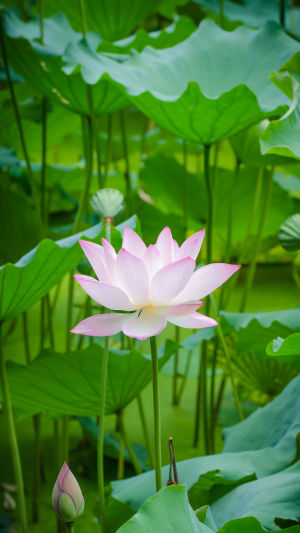
Lotus flowers have fascinated cultures across Asia and beyond for centuries, admired not only for their delicate beauty but also for their symbolism of purity, resilience, and rebirth.
Despite their ethereal appearance, many people wonder about a practical question: how long do lotus flowers actually last?
The answer depends on several factors, including whether the flower is growing naturally in a pond or displayed as a cut bloom.
Understanding these nuances can help you appreciate—and even extend—the life of this remarkable plant.
<h3>The Natural Bloom Cycle of Lotus Flowers</h3>
In their natural environment, lotus flowers follow a rhythmic and somewhat fleeting blooming cycle. Each individual flower typically lasts three to five days. However, this short lifespan does not mean the plant itself is temporary. A healthy lotus plant can produce multiple blooms over several weeks or even months during its growing season.
The lifecycle of a single lotus bloom is quite fascinating. It begins as a tightly closed bud that rises above the water surface. On the first day, the petals open partially, revealing only a glimpse of the inner structure. By the second and third days, the flower reaches full bloom, displaying its vibrant colors and intricate symmetry. After this peak, the petals gradually begin to fall, and the flower transitions into seed development.
What makes lotus flowers particularly interesting is their daily rhythm. Many varieties open in the morning and close again in the afternoon, repeating this pattern for a few days before fading completely. This behavior is influenced by sunlight and temperature, making each bloom feel almost alive with its own schedule.
<h3>Seasonal Longevity of Lotus Plants</h3>
While individual flowers are short-lived, lotus plants themselves have a much longer presence. In warm climates, they typically bloom from late spring through early autumn. During this period, new buds continuously emerge, ensuring a steady display of blossoms.
In tropical regions, lotus plants may bloom almost year-round. In contrast, in temperate climates, they enter a dormant phase during colder months. The underground rhizomes remain alive beneath the water or soil, storing energy for the next growing season. This resilience is one reason lotus plants are often associated with endurance and renewal.
<h3>How Long Do Cut Lotus Flowers Last?</h3>
When cut and used in floral arrangements, lotus flowers have a significantly shorter lifespan. On average, a cut lotus bloom lasts one to three days. Because of their delicate structure and high water content, they are more sensitive than many other flowers.
However, with proper care, you can maximize their freshness.
Keeping the stems in clean water, trimming them at an angle, and placing them in a cool environment away from direct sunlight can help extend their life slightly. Even so, their ephemeral nature is part of their charm—lotus flowers are meant to be appreciated in the moment.
<h3>Factors That Affect Longevity</h3>
Several environmental and care-related factors influence how long lotus flowers last:
<b>1. Temperature and Climate</b>
Lotus flowers thrive in warm conditions. Consistent temperatures between 24–30°C (75–86°F) encourage longer blooming periods. Sudden temperature drops can shorten the life of both buds and open flowers.
<b>2. Sunlight Exposure</b>
Full sunlight is essential for healthy blooms. Lotus plants require at least six hours of direct sunlight daily. Insufficient light can lead to fewer blooms and shorter-lasting flowers.
<b>3. Water Quality</b>
Clean, nutrient-rich water supports strong plant health. Poor water conditions may cause buds to fail before opening or flowers to wilt prematurely.
<b>4. Plant Health</b>
A well-established lotus plant with strong rhizomes will produce more robust and longer-lasting blooms. Regular fertilization during the growing season can enhance both the number and quality of flowers.
<h3>The Symbolism Behind Their Short Lifespan</h3>
Interestingly, the brief life of a lotus flower contributes to its deeper meaning. In many cultures, its short bloom represents the transience of life and beauty. The flower rises from muddy water yet emerges pristine, only to fade within days—an elegant reminder to cherish the present.
This symbolism is especially prominent in spiritual traditions, where the lotus is seen as a metaphor for personal growth and enlightenment. Its lifecycle reflects the idea that beauty and meaning can exist even in fleeting moments.
<h3>Tips to Enjoy Lotus Blooms Longer</h3>
If you grow lotus plants or frequently use them in arrangements, a few thoughtful practices can help you enjoy their beauty for as long as possible:
- Plant them in wide, shallow containers to allow rhizomes to spread.
- Ensure consistent exposure to sunlight.
- Use aquatic fertilizers during the growing season.
- Harvest blooms early in the morning when they are freshest.
- Change water daily for cut flowers to maintain clarity and freshness.
Lotus flowers may not last long in a literal sense, but their impact is anything but fleeting. Each bloom, though brief, unfolds with a quiet elegance that captures attention and imagination alike. Whether growing in a serene pond or placed delicately in a vase, the lotus invites you to slow down and appreciate beauty as it comes—and as it goes.


