

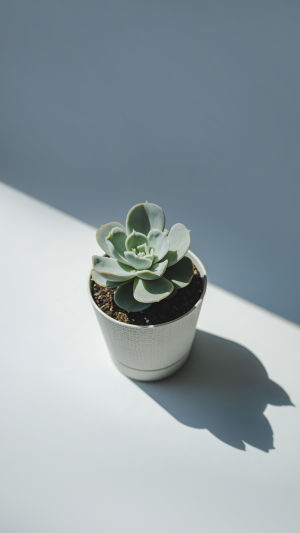
Succulents can be stubborn little plants. One day they look plump and healthy, the next they seem shriveled or spotted.
The secret often isn't sunlight or soil—it's water.
Overwatering is the most common mistake, yet underwatering can quietly stress your plants. Learning the right balance transforms your succulent care and keeps them vibrant for years.
<h3>Understand Succulent Water Needs</h3>
Succulents store water in their leaves and stems, so they don't need daily watering.
<b>Check soil moisture</b> – Stick your finger an inch into the soil. If it feels dry, it's time to water. Moist soil signals that the plant still has reserves.
<b>Observe plant signals</b> – Wrinkled or curling leaves often indicate dehydration, while soft, translucent leaves hint at too much water.
<b>Adjust for season</b> – Succulents grow most in spring and summer, needing more water. During dormancy in fall and winter, reduce watering to prevent root rot.
For example, a jade plant may only need water once every two weeks in winter but weekly during active growth.
<h3>Use the Right Watering Technique</h3>
How you water is as important as how often.
<b>Water deeply</b> – Apply enough water for it to reach the roots. Light misting only wets the surface and encourages shallow root growth.
<b>Avoid leaf contact</b> – Pour water directly onto the soil, not the leaves, to prevent rot and fungal growth.
<b>Let water drain</b> – Ensure containers have drainage holes. Excess water should escape freely, preventing standing moisture.
A practical example: pour slowly around the base of an echeveria until water runs from the bottom. Discard any excess that collects in the tray after 10 minutes.
<h3>Choose the Right Soil and Container</h3>
Succulents thrive in fast-draining soil.
<b>Mix components</b> – Use a combination of cactus soil, sand, and perlite. This prevents water from sitting around roots.
<b>Check container size</b> – Containers that are too large retain extra moisture, while very small ones dry out too quickly. Aim for a container slightly bigger than the root system.
<b>Use breathable material</b> – Terracotta or unglazed ceramic pots allow evaporation and reduce water retention.
For instance, a 6-inch aloe vera in a terracotta container with a sandy mix will need watering less frequently than one in a plastic container with standard potting soil.
<h3>Establish a Watering Routine</h3>
Consistency helps succulents adjust.
<b>Observe weekly</b> – Check soil moisture every week, even if your watering schedule is longer.
<b>Adjust gradually</b> – Seasonal changes and indoor humidity may require more or less water. Small adjustments prevent stress.
<b>Track your care</b> – Keep a small notebook or phone reminder of watering dates. Patterns emerge, making it easier to prevent over- or under-watering.
For example, noting that your string of pearls dries every 10 days in summer helps you avoid guesswork and ensures steady growth.
<h3>Additional Tips for Healthy Succulents</h3>
Beyond watering, small habits enhance plant health.
<b>Rotate plants</b> – Expose all sides to sunlight to prevent uneven growth.
<b>Remove dead leaves</b> – This prevents rot from spreading and keeps the plant tidy.
<b>Observe pests</b> – Overwatered soil can attract fungus gnats, so watch for tiny insects and dry soil between waterings.
A practical tip: if a succulent shows leaf drop, gently inspect the roots before resuming regular watering.
Watering succulents correctly isn't complicated, but it requires attention and patience. Each plant has its rhythm, and learning its signals transforms care into a satisfying routine. With the right soil, proper technique, and a consistent schedule, your succulents will thrive, rewarding you with vibrant leaves and steady growth for years. Once you tune into their needs, every watering becomes a small, rewarding ritual.


