

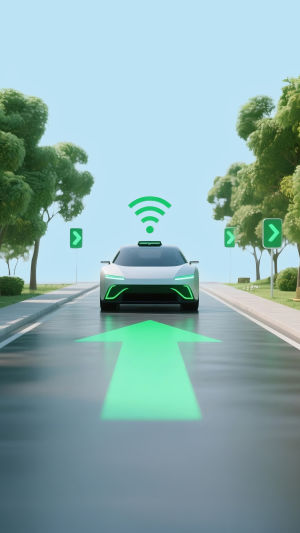
Have you ever wondered what it would be like to be fully connected in your car—not just through hands-free calling, but with all your devices seamlessly interacting with the vehicle itself?
The future of in-car connectivity is rapidly advancing, and 5G technology is set to be a game-changer.
From better navigation to real-time streaming, 5G is opening up new possibilities that could transform the driving experience.
<h3>What 5G Brings to the Table</h3>
5G is not just a faster version of 4G; it's a revolutionary leap in mobile communication technology. With ultra-low latency and faster download speeds, 5G allows for real-time data transmission, which is essential for creating a connected car experience. This means that vehicles equipped with 5G can instantly send and receive large amounts of data—whether it's for mapping, entertainment, or vehicle diagnostics.
<b>Real-time Data Sharing:</b> 5G allows cars to receive live traffic updates and weather information from the cloud, enhancing route planning and helping drivers avoid congestion.
<b>Actionable Tip:</b> Car manufacturers can integrate 5G to enable smoother, real-time navigation systems that provide live updates on traffic, roadblocks, and accidents, ensuring drivers always have the most accurate information.
<h3>Enhanced Navigation and Driver Assistance</h3>
While GPS has been the cornerstone of in-car navigation for years, 5G promises to take it to the next level. With faster and more reliable data, 5G will enable vehicles to interact with surrounding infrastructure—like traffic lights, road signs, and even other vehicles. This interaction allows for smart navigation systems that adjust in real time to changing road conditions.
<b>Vehicle-to-Everything (V2X) Communication:</b> V2X allows vehicles to communicate with each other and with roadside infrastructure to improve safety and efficiency. Imagine driving through an intersection, and your car knows exactly when the light will turn red, adjusting your speed to avoid stopping.
<b>Example in Action:</b> Picture driving during a heavy rainstorm. Your car, connected through 5G, receives weather alerts that adjust your route to avoid flooded areas while also slowing the vehicle for safer travel. This level of intelligent navigation could reduce traffic accidents and improve efficiency.
<h3>Immersive In-Car Entertainment</h3>
5G opens up the potential for a more immersive in-car entertainment experience. With the high speeds and bandwidth that 5G provides, you can stream movies, music, and even play games without buffering. This technology also enables real-time multiplayer gaming experiences, where passengers can interact with each other through their devices.
<b>Actionable Tip:</b> Car manufacturers can collaborate with entertainment platforms to integrate high-definition video streaming and augmented reality (AR) experiences. Imagine being able to watch a movie in full 4K or play a multiplayer game on the go—without ever worrying about lag or loss of signal.
<b>Example in Action:</b> Passengers could access cloud-based gaming, watch live events, or engage in virtual reality experiences while on the road. This connectivity will redefine road trips and passenger experience.
<h3>Vehicle-to-Cloud Integration</h3>
Integration with cloud computing is another area where 5G is making a huge impact. With continuous data flow, vehicles can constantly upload and download data to cloud servers. This facilitates over-the-air software updates, diagnostics, and predictive maintenance.
<b>Example of Vehicle Maintenance:</b> Imagine your car reminding you when it needs an oil change or to check tire pressure through its cloud-connected system. This improves vehicle maintenance efficiency and reduces costs for both consumers and service centers.
<b>Actionable Tip:</b> Using 5G, cars can collect and analyze performance data, allowing manufacturers to improve functionality based on real-time user feedback, leading to a personalized driving experience and a vehicle that improves over time.
<h3>Improved Safety with AI and 5G</h3>
One of the most exciting applications of 5G in the car industry is its integration with AI to enhance vehicle safety. With the ability to process more data faster, cars equipped with AI and 5G will detect obstacles, analyze the behavior of pedestrians or other vehicles, and predict accidents before they happen.
<b>Actionable Tip:</b> Car manufacturers can use AI algorithms and 5G data to improve collision avoidance systems, enabling cars to make autonomous decisions to steer clear of accidents or brake faster than a human driver could react.
<b>Example in Action:</b> In the future, cars could use 5G to communicate with other cars, creating a network of "smart vehicles." For instance, if a car in front suddenly brakes, your vehicle will receive an instant signal and automatically adjust speed or apply brakes. This interconnected safety system could reduce collisions and improve road safety.
<h3>The Road Ahead: 6G and Beyond</h3>
While 5G is already transforming driving, the future doesn't stop there. As 6G emerges, we can expect even faster speeds, lower latency, and advanced features that make today's connected cars seem primitive. Fully autonomous cars could communicate in real time with every vehicle and traffic system, predicting optimal routes and adapting to drivers’ needs.
<b>Actionable Tip:</b> Manufacturers should design vehicles that can easily integrate future connectivity technologies like 6G to stay ahead of innovation.
<h3>Final Thoughts: A Connected Future</h3>
The future of in-car connectivity with 5G promises to make driving more convenient, entertaining, safer, and smarter. As technology continues innovating, connected cars will offer unprecedented personalization and functionality.
With 5G as the backbone, the possibilities for in-car technology are endless—from seamless streaming and gaming to enhanced safety and diagnostics. This new era will make our vehicles smarter, safer, and more connected than ever before.


