

You've probably felt that mid-afternoon slump when energy dips and focus fades.
Often, low iron levels are a hidden culprit. Iron is essential for transporting oxygen in your blood, and a simple boost from the right vegetables can make a big difference.
Let's explore how to include iron-rich veggies in your diet to stay energized and vibrant.
<h3>Leafy Greens: Spinach, Kale, and Swiss Chard</h3>
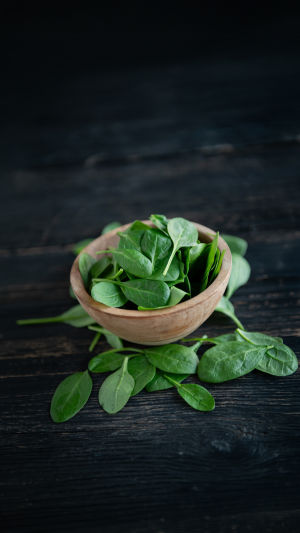
Leafy greens are among the most iron-packed vegetables you can eat. Spinach alone provides around 3 mg of iron per cooked cup. These greens are also loaded with vitamins like C and K, which help improve iron absorption and support overall health.
<b>Tips to maximize benefits:</b>
1. Lightly sauté spinach in olive oil and a squeeze of lemon to enhance absorption.
2. Mix kale into smoothies with vitamin C-rich fruits like orange or pineapple to boost iron uptake.
3. Add Swiss chard to soups and stews for a warm, nutritious iron boost.
Example: Tossing sautéed spinach with garlic and a pinch of chili flakes makes a quick side dish while helping your body absorb more iron efficiently.
Dr. Andrew Weil, a world-renowned integrative medicine pioneer and Clinical Professor of Medicine at the University of Arizona, emphasizes that the key to plant-based iron lies in overcoming its natural absorption barriers. He explains that while greens like spinach contain significant iron, they also contain oxalates that can inhibit its uptake. To maximize the benefit, Dr. Weil recommends lightly cooking these vegetables to break down those compounds and always pairing them with a source of Vitamin C.
<h3>Legumes and Beans: Lentils, Chickpeas, and Black Beans</h3>
Beans are a versatile source of iron for plant-based diets. Lentils contain roughly 6.6 mg of iron per cup when cooked, making them a powerhouse for energy. Pairing them with vegetables or grains rich in vitamin C can significantly enhance absorption.
<b>Tips to maximize benefits:</b>
1. Make a lentil salad with bell peppers, tomatoes, and parsley for a refreshing iron-rich meal.
2. Use chickpeas to prepare hummus with lemon juice, which improves iron uptake.
3. Combine black beans with corn or tomatoes in stews to support both taste and nutrition.
Example: A simple black bean and roasted red pepper salad not only tastes vibrant but also helps replenish iron levels naturally.
<h3>Cruciferous Vegetables: Broccoli, Brussels Sprouts, and Cauliflower</h3>
Cruciferous vegetables are often praised for antioxidants, but they're also notable sources of iron. Broccoli contains around 1 mg of iron per cup and offers added vitamin C to help your body absorb it better.
<b>Tips to maximize benefits:</b>
1. Steam broccoli lightly to retain both iron and vitamin C.
2. Roast Brussels sprouts with a drizzle of olive oil to preserve nutrients and enhance flavor.
3. Add cauliflower to stir-fries or curries with tomato-based sauces to increase iron absorption.
Example: A simple roasted Brussels sprouts dish with garlic and lemon juice makes for a delicious, iron-rich side.
<h3>Root Vegetables: Beets, Sweet Potatoes, and Turnips</h3>
Roots like beets and sweet potatoes are surprisingly high in iron. Beets, for instance, provide about 1.1 mg per cup. They also support blood circulation, making them a double win for energy and overall health.
<b>Tips to maximize benefits:</b>
1. Roast beets with a drizzle of olive oil to enhance nutrient absorption.
2. Add sweet potato cubes to soups or salads for natural sweetness and iron content.
3. Stir-fry turnips with bell peppers to improve both taste and iron bioavailability.
Example: A roasted beet and sweet potato salad with a splash of lemon juice creates a colorful, iron-packed dish.
<h3>Tips to Boost Iron Absorption from Vegetables</h3>
Not all iron is absorbed equally. Plant-based iron (non-heme) is enhanced by vitamin C and reduced by excessive calcium or tannins from tea and coffee.
<b>Practical steps:</b>
1. Pair iron-rich vegetables with vitamin C sources such as bell peppers, citrus, or tomatoes.
2. Avoid drinking tea or coffee with iron-rich meals.
3. Include a variety of iron-rich vegetables daily to meet nutritional needs naturally.
Incorporating iron-rich vegetables into your daily meals doesn't have to be complicated. From leafy greens to colorful roots, each vegetable contributes not only iron but also vital vitamins and minerals. A little attention to combinations and preparation can help you stay energized and focused, making these vegetables a cornerstone of a healthy, vibrant lifestyle.


