

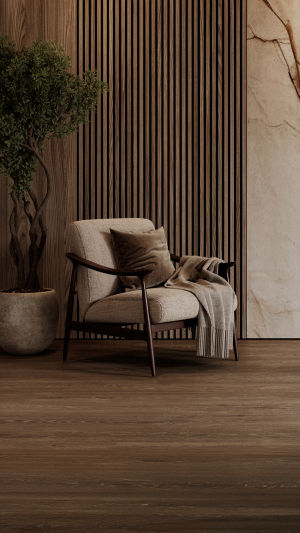
Ever feel like your space is just too dark? Maybe it's the lack of windows, or perhaps the light just doesn't seem to reach every corner.
Don't worry—you can boost the natural light in your space with a few clever design tricks.
It's easier than you think to transform your room from dull to bright and airy, using strategic design choices that let the light in.
<h3>Use Light Colors on Walls and Ceilings</h3>
The color of your walls and ceiling can have a huge impact on how light travels in a room. Lighter shades reflect light, making the space feel brighter and more open. Dark colors, on the other hand, tend to absorb light, which can make a room feel smaller and darker.
Choose soft neutrals: Opt for whites, light grays, or soft pastels on your walls to bounce light around the room. These colors help reflect natural light and brighten up even the smallest of spaces.
Don't forget the ceiling: A white or light-colored ceiling acts like a mirror, reflecting natural light back into the room.
It's a simple yet effective way to make your space feel more expansive and filled with natural light.
<h3>Maximize Window Treatments</h3>
Window coverings can either block or enhance the natural light coming into your room. Choosing the right window treatments can make all the difference in how bright your space feels.
Go for sheer curtains: Sheer or light fabric curtains allow sunlight to filter in while still offering privacy. They soften the light, creating a pleasant, diffused glow throughout the room.
Consider blinds or shades: If you need more control over the light, adjustable blinds or shades can help you direct light into the room during the day, while still providing shade when necessary.
By adjusting your window treatments, you can let in as much natural light as possible, creating a welcoming and airy space.
<h3>Add Mirrors to Reflect Light</h3>
Mirrors are a fantastic way to enhance natural light. When strategically placed, they reflect light around the room, making the space appear brighter and larger.
Position mirrors opposite windows: Place a mirror directly across from a window to reflect sunlight into darker corners of the room. This technique is especially effective in small rooms or spaces that don't get much natural light.
Use mirrored furniture or décor: If you don't want to hang a mirror on the wall, consider mirrored furniture pieces, like a side table or lamp stand. These will reflect light without taking up wall space.
Mirrors can be a game-changer when it comes to boosting the light in your home—plus, they add a touch of style.
<h3>Opt for Open, Airy Layouts</h3>
Sometimes, it's not about what you add to a room but what you remove. An open layout helps light flow freely throughout the space, making it feel brighter.
Declutter: Keep furniture minimal and leave space around windows. Overcrowded rooms block light and make the space feel cramped.
Use furniture wisely: Choose low-profile or transparent furniture, such as glass coffee tables or acrylic chairs, to allow light to pass through.
By creating an open layout, light can move freely through the space, filling every corner and making it feel bigger and brighter.
<h3>Install Skylights or Large Windows</h3>
If you're in the process of a renovation or simply looking for a larger-scale update, installing skylights or larger windows is one of the best ways to increase natural light in your home.
Skylights for overhead light: Skylights bring in natural light from above, filling rooms with soft, diffused light. This works especially well in kitchens, bathrooms, or hallways, where natural light is typically limited.
Upgrade windows: If your space has smaller or outdated windows, consider replacing them with larger, more modern ones. Floor-to-ceiling windows, for example, allow for an abundance of light to pour in.
These investments can significantly improve the lighting in your space and give your home a more open, airy feel.
<h3>Use Light Flooring Options</h3>
Just like walls, the flooring in a room can affect how much light it absorbs or reflects. Dark floors tend to absorb light, making a room feel smaller and dimmer, while light floors reflect light and brighten the space.
Choose light-colored flooring: Wood floors in natural tones, light oak, or even whitewashed finishes can help reflect sunlight. If you prefer carpet, choose light neutral shades for a brighter feel.
Reflective surfaces: Consider glossy or high-shine tiles, which reflect light and create a sense of openness.
When selecting your flooring, keep in mind how it will work with the rest of the room's design. The right flooring can make a big impact on the overall lighting.
<h3>Bring the Outdoors In</h3>
Adding plants to your space not only enhances the décor but can also help boost the feeling of lightness. Certain plants thrive in bright, natural light, so strategically placing them near windows can help you make the most of the light you have.
Place plants by windows: Position plants that thrive in natural light, such as succulents, ferns, or herbs, near your windows to help fill the space with greenery.
Use reflective planters: Choose shiny or metallic planters to help reflect light back into the room, making the plants look even more vibrant.
By adding plants and arranging them thoughtfully, you can take advantage of the natural light in your space while adding a natural, refreshing element.
Natural light can truly transform a space, making it feel brighter, more inviting, and even larger. Whether you're working with an older home or just looking to brighten a few rooms, these design tips can help you maximize the light in your space and make your home feel more open and airy.


