

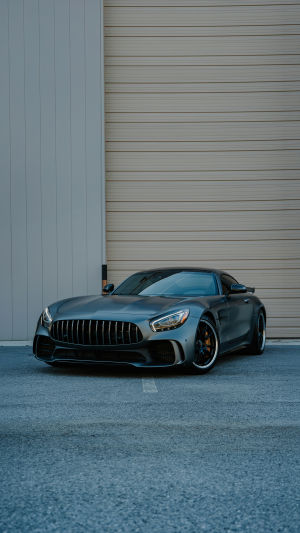
For decades, the identity of a supercar was simple: large displacement engines, aggressive exhaust notes, and unapologetic fuel consumption. Performance was measured in horsepower alone, often at the expense of efficiency.
Today, that formula is being rewritten. A new breed of high-performance machines is emerging—hybrid supercars that blend internal combustion with electric propulsion to deliver a level of capability that traditional engineering could never fully achieve on its own.
<h3>From Efficiency Tool to Performance Powerhouse</h3>
Hybrid systems were initially developed with a clear purpose: improve fuel economy and reduce environmental impact. Early implementations prioritized efficiency over excitement. However, engineers quickly realized that electric motors offered something far more valuable—instantaneous torque.
Unlike combustion engines, which require time to build power through revs, electric motors deliver maximum torque the moment they are engaged. This characteristic makes them ideal for enhancing acceleration, especially at low speeds where traditional engines are less responsive.
By integrating electric motors alongside high-performance engines, manufacturers discovered they could eliminate lag, sharpen throttle response, and dramatically improve overall acceleration. Hybridization, once seen as a compromise, became a powerful performance advantage.
<h3>Acceleration Without Delay</h3>
One of the defining traits of hybrid supercars is their ability to launch with remarkable force. Electric motors fill the gaps in power delivery, particularly during initial acceleration. This results in a seamless surge of energy that feels immediate and relentless. In many modern systems, the electric motor acts as a torque booster, supporting the engine during critical moments such as overtaking or exiting corners.
The result is not just faster acceleration, but more consistent and controllable performance. It is now common for hybrid supercars to achieve 0–100 km/h times well under three seconds. Some models even rival track-focused race cars in straight-line performance while remaining fully compliant with road regulations. This level of acceleration was once reserved for elite racing machines, but hybrid technology has made it accessible in production vehicles.
<h3>Intelligent Energy Control Systems</h3>
Behind the scenes, hybrid supercars rely on highly advanced energy management systems. These systems constantly analyze driving conditions, throttle input, battery charge, and traction levels to determine how power should be distributed. Rather than operating as two separate systems, the combustion engine and electric motors function as a coordinated unit. The transition between power sources is often imperceptible, creating a smooth and highly refined driving experience.
Another key feature is regenerative braking. When the driver slows down, kinetic energy that would normally be lost as heat is captured and converted into electrical energy. This energy is stored in the battery and reused later, either to enhance acceleration or to support electric-only driving modes in certain conditions. This closed-loop system improves efficiency while maintaining peak performance, making hybrid supercars both powerful and technologically sophisticated.
<h3>Motorsport Influence and Innovation</h3>
Much of the technology found in hybrid supercars has its roots in professional racing, particularly in series like Formula 1. In this environment, efficiency and performance must coexist under strict regulations, pushing engineers to innovate rapidly. Modern Formula 1 power units combine turbocharged engines with advanced energy recovery systems that capture both heat and braking energy.
These systems are capable of delivering additional bursts of power while improving overall efficiency. Automakers have successfully translated these innovations into road-going vehicles. The result is a direct link between motorsport engineering and consumer technology, where lessons learned on the track enhance performance on everyday roads.
<h3>A New Kind of Driving Experience</h3>
Hybrid supercars are not just faster—they feel different. The driving experience is shaped by the interaction between two distinct power sources. Electric motors deliver silent, immediate acceleration, creating a sense of effortlessness at low speeds. As the combustion engine takes over at higher speeds, drivers are reintroduced to the familiar sensations of sound, vibration, and mechanical intensity.
This dual character offers a broader emotional range than traditional supercars. It can be refined and quiet in urban settings, then transform into a high-performance machine on open roads. The transition between these modes is smooth, giving drivers access to both efficiency and excitement in a single vehicle.
<h3>Balancing Performance with Responsibility</h3>
Environmental concerns are reshaping the automotive industry, and even the supercar segment is not immune. Manufacturers face increasing pressure to reduce emissions without sacrificing performance. Hybrid technology provides a practical solution to this challenge.
By supplementing combustion engines with electric power, hybrid supercars consume less fuel and produce fewer emissions compared to their purely gasoline-powered predecessors. While they are not fully zero-emission, they represent a meaningful step toward more sustainable performance engineering. This balance allows manufacturers to preserve the essence of high-performance driving while aligning with global environmental standards.
<h3>The Road Ahead</h3>
The evolution of hybrid supercars is far from complete. Advances in battery technology, energy density, and power electronics are expected to push performance even further. Some modern hybrid systems are already exceeding 1,000 horsepower, demonstrating the immense potential of combining electric and combustion technologies.
At the same time, hybrid systems are serving as a bridge to fully electric supercars. Many of the innovations developed today—such as energy recovery, thermal management, and power distribution—will play a crucial role in the next generation of electric performance vehicles.


