

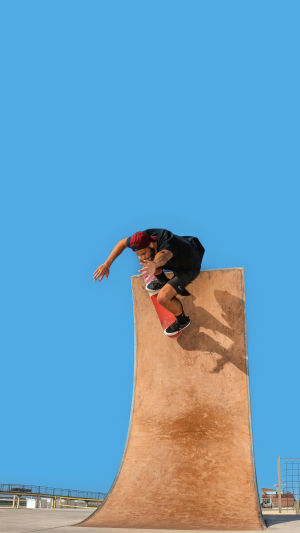
If we are stepping into skateboarding for the first time, this guide is here to make things simple and friendly. Skateboarding is full of energy and creativity, but it also needs patience and safe habits.
In the following sections, we will walk through everything step by step, so we can learn with confidence and enjoy every moment on the board.
<h3>Preparing the Right Equipment</h3>
Before we even step on the board, preparation is key. We start with choosing a skateboard that matches our needs. Some boards are longer and feel smoother, while others are shorter and easier for quick movement and practice. The best choice depends on comfort and personal style.
Safety gear is equally important. A helmet helps protect the head, while knee and elbow pads reduce impact during early practice. Wrist support can also help when learning balance. These items are not just accessories; they give us peace of mind while learning.
Footwear also plays a big role. We should wear shoes with flat soles and strong grip. This helps us stay steady on the board and improves control during movement.
<h3>Finding the Right Standing Position</h3>
Once everything is ready, we move to standing on the skateboard. We place both feet on the board in a comfortable position, usually shoulder-width apart or slightly angled. The key is balance and stability.
We keep our knees slightly bent. This small adjustment helps us absorb movement and stay steady when the board shifts. Our body weight should stay centered, avoiding leaning too far forward or backward. At the beginning, it may feel unfamiliar, but balance improves naturally with practice.
<h3>Learning How to Move Forward</h3>
To start moving, we gently push off the ground using one foot while the other stays on the board. This motion should be smooth, not rushed. After gaining momentum, the pushing foot returns to the board.
At this stage, we focus more on balance than speed. Small and steady pushes help us feel more stable. As confidence grows, we naturally learn how to control speed according to our comfort level and surroundings.
<h3>Turning with Better Control</h3>
Turning is an essential skill for smooth riding. We can guide direction by gently shifting body weight. Leaning slightly toward the direction we want to go helps the board respond.
Another way is applying gentle pressure through the toes or heels. This creates a controlled turn without sudden movement. The goal is smooth transitions, not sharp changes, so we stay balanced throughout the ride.
<h3>Slowing Down and Stopping Safely</h3>
When we need to slow down, there are simple methods. One common way is gently placing one foot on the ground to create resistance. This reduces speed gradually and safely.
We can also shift our weight slightly backward to ease movement. With practice, stopping becomes more natural and controlled. The key is to stay relaxed and avoid sudden actions.
<h3>Growing Skills Step by Step</h3>
As we gain experience, we can try more advanced movements such as small jumps or smoother direction changes. These skills take time and patience, so there is no need to rush.
Practicing in open, flat areas helps us build confidence safely. Each session adds small improvements, and over time, movements become more natural and enjoyable.
<h3>Staying Safe While Practicing</h3>
Awareness is always important. We should choose safe spaces without heavy traffic or obstacles when practicing. This allows us to focus fully on learning.
Consistency matters more than speed. Practicing regularly helps us improve balance and control gradually. When we stay calm and focused, learning becomes smoother and more enjoyable.
<h3>Let’s Keep Moving Forward</h3>
Skateboarding is more than just movement. It is about balance, patience, and steady progress. As we continue practicing, we build confidence and enjoy the process more deeply.
So, Lykkers, are we ready to take that next ride or try a new skill today? Let’s keep practicing, stay safe, and enjoy every moment on the board.


