

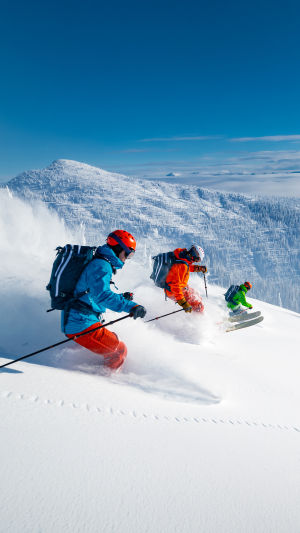
When we step onto snowy slopes, excitement and a little nervousness often mix together. One of the key skills that helps us feel more confident is speed control.
Instead of rushing down, we learn how to guide our movement smoothly and safely. In this guide, we will walk through practical, easy-to-understand methods so we can enjoy skiing with better balance and control.
<h3>Understanding Balance and Body Position</h3>
Before anything else, we should focus on balance. Our body position determines how stable we feel while sliding. Keeping our weight centered over the skis helps us stay steady. If we lean too far forward or backward, control becomes harder. By gently bending our knees and relaxing our upper body, we create a stable base for movement.
<h3>Basic Turning and Stopping Skills</h3>
Turning and stopping are the foundation of speed control. We often use simple turning movements to reduce speed naturally. Wide turns slow us down, while tighter turns help guide direction. Stopping techniques, such as forming a wedge (snowplow) with the skis, allow us to pause safely whenever needed.
<h3>Managing Speed on Gentle Slopes</h3>
On easier slopes, we can practice rhythm. Instead of letting gravity take full control, we guide our path with smooth turns. Small adjustments in direction help regulate speed. When we feel too fast, we should increase turning frequency to reduce acceleration in a natural way.
<h3>Using Body Weight to Adjust Movement</h3>
Our body weight is a powerful tool. Leaning slightly forward can help increase speed, while shifting weight slightly backward can help slow down. The key is subtle movement. Small changes make a big difference in how we glide across the snow.
<h3>Introducing Carving for Better Control</h3>
As we improve, carving becomes an important skill. This technique involves using ski edges to cut into the snow during turns. It gives us smoother motion and more precise speed control. With practice, carving allows us to move confidently even on more challenging paths.
<h3>Handling Steeper Slopes with Confidence</h3>
Steeper slopes require calm thinking. Instead of rushing straight down, we should use controlled zigzag paths. This reduces speed naturally while keeping movement stable. We also rely on wider turns to maintain balance and avoid sudden acceleration.
<h3>Using Equipment for Stability</h3>
Our ski poles are more than support tools. They help us maintain rhythm and balance. By planting them lightly during turns, we improve coordination. They also assist in guiding direction changes, making overall movement smoother and more controlled.
<h3>Adapting to Different Snow Conditions</h3>
Snow conditions change everything. Soft snow slows us down naturally, while icy surfaces increase speed. We adjust our technique based on these conditions. On softer snow, we can glide more freely. On firmer snow, we focus on stronger edge control and more careful turning.
<h3>Responding Calmly in Unexpected Situations</h3>
Sometimes balance is lost or obstacles appear suddenly. In such moments, staying calm is the most important step. We lower our body position, reduce movement, and regain control gradually. Quick reactions combined with steady posture help us stay safe and recover smoothly.
<h3>Building Strength for Better Ski Performance</h3>
Good control also depends on physical preparation. Strong legs and a stable core help us maintain balance longer. Simple exercises like squats, planks, and balance training improve our stability on the slopes. With consistent practice, movements become more natural and controlled.
<h3>Growing Our Confidence on Snow</h3>
Lykkers, mastering speed control is not about rushing—it’s about understanding how our body, environment, and movement work together. As we practice balance, turning, and terrain awareness, skiing becomes smoother and more enjoyable. Every run gives us a chance to improve a little more.
Stay patient, stay aware, and enjoy every glide. The snow always rewards steady progress and thoughtful movement.


