

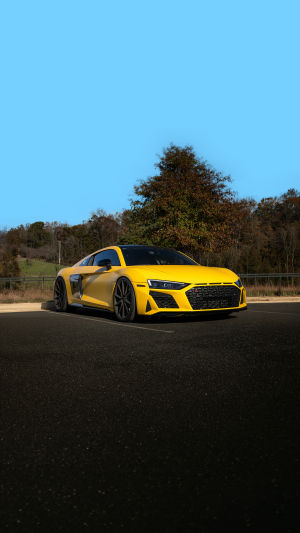
Anyone who has driven a true sports car notices the difference almost immediately.
The steering reacts faster, the body stays flatter through corners, and the suspension delivers far more feedback from the road.
Compared to the smooth ride of a typical sedan, the experience can feel surprisingly firm. That stiffness is intentional because it helps performance cars maintain better control, grip, and stability at higher speeds.
<h3>The Real Purpose of a Suspension System</h3>
A suspension system does far more than absorb potholes. It controls how the tires interact with the pavement at all times. Springs, dampers, sway bars, bushings, and control arms work together to manage body movement and maintain traction. In an ordinary commuter vehicle, engineers prioritize ride quality because most drivers spend hours in traffic, on rough streets, or cruising highways.
Softer springs and compliant dampers isolate vibrations from the cabin, creating a smoother experience. Sports cars are engineered with a completely different philosophy. The suspension is designed to reduce unwanted movement so the chassis reacts instantly to steering inputs. Instead of “cushioning the road”, the setup keeps the tires firmly loaded against the asphalt during aggressive driving. That difference changes the entire personality of the vehicle.
<h3>Why Body Roll Hurts Performance</h3>
One of the main reasons sports cars use stiff suspension is to control body roll. During cornering, a car’s weight naturally shifts toward the outside wheels. In vehicles with soft suspension, the chassis leans heavily during this transfer.
Excessive body roll creates several problems:
- Tire contact becomes uneven
- Steering response slows down
- Weight transfer becomes less predictable
- Stability decreases during fast direction changes
A stiffer setup minimizes chassis lean and keeps the vehicle flatter through corners. This allows the tires to maintain a larger contact patch with the road surface, which improves grip and steering accuracy.
Performance driving depends heavily on consistency. Drivers need confidence that the car will react immediately and predictably when entering a corner at speed. Firm suspension tuning helps eliminate delays between steering input and vehicle response. That directness is what enthusiasts often describe as “feeling connected” to the car.
<h3>Suspension Geometry Matters More Than Most Drivers Realize</h3>
The stiffness itself is only part of the equation. Sports cars also use aggressive suspension geometry that works alongside firmer components. Camber angles, toe settings, roll centers, and anti-dive characteristics are carefully engineered to maximize tire performance during hard driving. When a vehicle corners, the suspension compresses and changes wheel alignment dynamically. A poorly controlled suspension can cause the tire to lose optimal positioning under load.
Performance-oriented geometry helps maintain tire alignment while cornering, braking, and accelerating. Combined with stiff springs and sway bars, this setup creates sharper turn-in behavior and greater stability at higher speeds. This is why many sports cars feel incredibly planted on winding roads even when traveling much faster than regular vehicles comfortably could.
<h3>Better Weight Control During Acceleration and Braking</h3>
Suspension stiffness also affects how a car behaves under throttle and braking forces. During hard acceleration, weight shifts toward the rear of the vehicle. Softer suspension allows the nose to rise and the rear to squat excessively. That movement can upset balance and reduce steering precision. Heavy braking creates the opposite effect. The front dives downward while the rear becomes lighter and potentially unstable.
Excessive pitch movement makes the vehicle feel less controlled, especially during emergency maneuvers. A stiff suspension reduces these dramatic weight shifts. By keeping the chassis flatter, the tires maintain more consistent grip levels at all four corners. This improves braking stability, corner entry confidence, and acceleration control. On race tracks, where fractions of a second matter, controlling weight transfer becomes critical. Even on public roads, the improvement in responsiveness is immediately noticeable.
<h3>Aerodynamics Benefit From a Firm Setup</h3>
Modern performance vehicles rely heavily on aerodynamic efficiency. At higher speeds, airflow underneath the vehicle becomes extremely important for stability. Soft suspension can allow excessive vertical movement, which changes ride height unpredictably. Even small changes in height affect airflow patterns and aerodynamic balance.
Stiff suspension helps maintain a stable platform for aerodynamic components such as splitters, diffusers, and rear wings. Keeping the chassis low and controlled improves downforce consistency and reduces unwanted drag fluctuations. This becomes especially important in high-speed sports cars capable of exceeding 150 mph (~241 km/h), where aerodynamic instability can seriously affect handling confidence.
<h3>The Downside: Everyday Comfort Suffers</h3>
There is an unavoidable trade-off with firm suspension tuning. Rough pavement becomes much more noticeable. Expansion joints, potholes, broken asphalt, and uneven roads transmit sharper impacts into the cabin. Long highway trips can feel tiring compared to softer luxury-oriented vehicles.
Some drivers love this raw feedback because it creates a stronger sense of engagement. Others may find it exhausting for daily commuting. Automakers know this balance is difficult, which is why many modern sports cars now use adaptive dampers. These electronically controlled systems adjust suspension firmness in real time based on road conditions and driving modes.
In comfort settings, the ride becomes more compliant for everyday use. Switch into sport mode, and the suspension tightens instantly for aggressive driving. This technology allows modern performance cars to behave like two completely different vehicles depending on the situation.
<h3>Why Enthusiasts Still Prefer the Firm Ride</h3>
For passionate drivers, stiff suspension is not just about lap times or engineering numbers. It creates communication between the machine and the driver. Every steering correction, throttle adjustment, and change in road texture becomes part of the experience. The car feels alert, responsive, and alive instead of isolated and disconnected.
That sensation is why performance enthusiasts willingly accept a harsher ride. The suspension transforms driving from simple transportation into something physical and immersive — the kind of feeling that makes every corner worth chasing long after the road finally straightens out.
Ultimately, a sports car’s stiff suspension is not a flaw—it’s a feature, designed to deliver an unmatched sense of control, precision, and connection that transforms driving into a visceral experience.


