

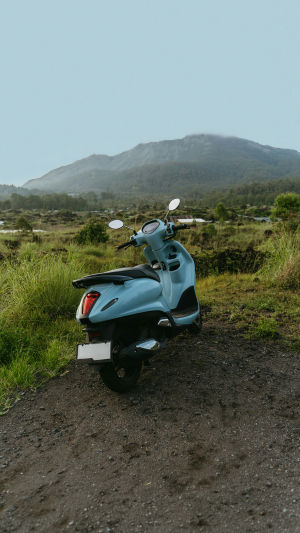
A dependable battery quietly powers essential motorcycle and scooter functions, from ignition to lighting and electronic systems.
While riders often prioritize engine servicing, tire pressure, or fuel economy, battery health is frequently overlooked.
In reality, the environment plays a major role in battery performance and lifespan. Extreme heat, cold, humidity, and changing weather conditions can gradually weaken reliability even before mechanical issues appear. Temperature shifts, seasonal moisture, prolonged sunlight, and fluctuating humidity levels can influence how efficiently a battery stores and delivers power. Understanding these environmental effects can help riders avoid sudden breakdowns, premature battery replacement, and inconsistent starting performance.
<h3>Why Weather Has a Strong Influence on Battery Health</h3>
A two-wheeler battery functions through electrochemical reactions that generate and store energy. These reactions are highly sensitive to temperature and surrounding conditions. When climate changes become extreme, internal battery processes struggle to operate efficiently.
Unlike larger automotive batteries, motorcycle and scooter batteries are generally more compact, meaning they have less thermal protection and can react faster to environmental stress. Whether exposed to overnight cold, direct afternoon heat, or repeated monsoon moisture, a two-wheeler battery constantly adapts to external pressure. The result is often reduced starting reliability, unstable electrical output, or faster aging of internal components.
<h3>Cold Conditions and the Hidden Loss of Battery Efficiency</h3>
Lower temperatures slow chemical activity inside a battery. As the electrolyte reaction becomes less active, electrical output decreases, making ignition noticeably weaker. This explains why motorcycles often feel harder to start during colder mornings. Even if the battery appears functional, its ability to deliver sufficient cranking power may temporarily decline.
In practical terms, riders may notice:
- Slower engine starts
- Dimmer headlight brightness before the engine is fully running
- Reduced horn intensity
- Longer recharge cycles after short trips
Cold weather becomes especially problematic when a battery is already partially discharged. Weak batteries are more vulnerable because the electrolyte may become unstable under freezing or near-freezing conditions, increasing the risk of irreversible internal damage.
Short-distance riding during cooler weather also creates problems. Since ignition consumes a large amount of electrical energy, repeated short rides may prevent the charging system from fully restoring battery capacity. Over time, this repeated imbalance contributes to sulfation—a process where lead sulfate crystals harden on battery plates, gradually reducing charging efficiency.
<h3>High Temperatures Can Age a Battery Faster Than Expected</h3>
Many riders assume winter creates the greatest battery stress, but prolonged heat is often more destructive over the long term. Excessive temperatures accelerate chemical activity inside the battery. Although this may initially make starting easier, faster reactions increase internal wear. Heat speeds up electrolyte evaporation, weakens plate integrity, and contributes to accelerated degradation.
In warm climates or during prolonged summer riding, batteries experience continuous thermal exposure from two directions:
- External environmental heat
- Heat generated from engine operation
When these factors combine, internal battery temperatures rise considerably. Over time, overheating can trigger:
- Faster water loss in conventional batteries
- Internal corrosion of plates and connectors
- Reduced charge retention
- Increased risk of swelling or premature failure
Parking habits also matter more than many riders realize. A motorcycle left under direct sunlight for hours repeatedly experiences thermal stress, especially around enclosed battery compartments where airflow remains limited. Keeping a vehicle under shade or using protective covers can reduce long-term temperature strain significantly.
<h3>Moisture, Rain, and Humidity: The Silent Electrical Threat</h3>
Rain itself rarely destroys a battery immediately. The greater danger comes from repeated exposure to moisture over time. Humidity encourages oxidation at battery terminals. Corrosion gradually forms around connection points, increasing electrical resistance and reducing the consistency of current flow.
A rider may first notice subtle symptoms such as intermittent starting problems or flickering electronics before the issue becomes severe. During rainy seasons, moisture may also enter poorly sealed battery compartments or surrounding electrical systems. Dirt combined with humidity can create conductive pathways that slowly weaken electrical performance.
Common warning signs linked to moisture damage include:
- White or green corrosion near terminals
- Random electrical interruptions
- Slower ignition response
- Unexpected battery drainage after heavy rain exposure
Regular inspection becomes especially valuable in humid environments. Cleaning terminal buildup and checking cable tightness often prevent small issues from developing into expensive failures.
<h3>Practical Ways to Protect a Two-Wheeler Battery Year-Round</h3>
Battery durability depends as much on maintenance habits as on product quality. One effective preventive measure is maintaining proper charge levels. A battery that remains consistently undercharged deteriorates faster, particularly during seasonal extremes. Riders who use motorcycles infrequently should occasionally start the engine or use a compatible maintenance charger to preserve voltage stability.
Routine inspections also matter. Checking terminals for dirt, corrosion, or loosened connectors helps maintain uninterrupted electrical flow. For motorcycles exposed to frequent rain, drying sensitive areas after rides can reduce moisture accumulation. Storage conditions deserve equal attention. Parking in covered spaces minimizes repeated thermal cycling from intense sunlight and protects against prolonged damp exposure.
Selecting a battery designed for durability under varying climates can also improve long-term reliability. High-quality batteries are typically engineered with better sealing, stronger internal materials, and improved resistance to temperature fluctuation, helping maintain consistent performance in both hot and cool environments.
Weather influences far more than riding comfort—it directly affects the reliability, lifespan, and efficiency of a two-wheeler battery. Cold conditions can weaken power delivery, heat accelerates internal wear, and humidity quietly damages electrical connections over time. Riders who understand these patterns are better prepared to prevent unexpected failures before they occur.


