

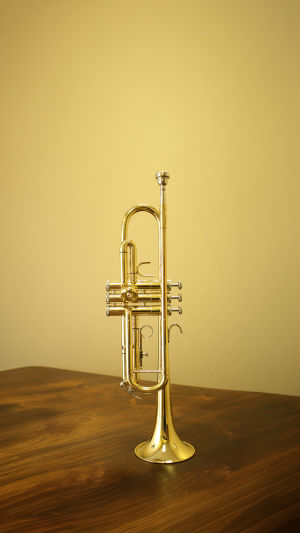
When we enjoy playing music, we often focus on sound, rhythm, and technique. However, the condition of our instrument quietly shapes everything we play.
A well-cared-for trumpet feels smoother, responds faster, and supports our progress in a natural way. Today, we will explore simple, practical care steps that we can easily follow in daily use.
<h3>Why Daily Care Matters</h3>
When we pick up the instrument, preparation is the first step. We carefully take it out of the case and assemble each part with attention. Every joint needs to fit firmly so airflow remains steady during performance.
After playing, care continues. We do not simply put it away. Instead, we disassemble the parts step by step and return them neatly to the case. This routine helps prevent moisture buildup, surface wear, and small internal issues that may affect performance over time.
<h3>Before Playing: Simple Preparation Steps</h3>
Before we begin practice, we ensure every part is properly connected. The mouthpiece should be inserted gently, then slightly rotated to secure it in place. No force is necessary.
This simple action helps stabilize airflow and reduces unnecessary pressure on the connection points. When everything is aligned correctly, we can focus more on tone and expression instead of adjusting equipment during playing.
<h3>After Playing: Cleaning and Reset Routine</h3>
Once practice ends, we shift into cleaning mode:
- First, we remove internal moisture by pressing the water key and gently blowing air through the instrument. This helps reduce dampness inside the tubing.
- Next, we detach the mouthpiece, wipe it dry, and store it properly in the case. We also use a soft cloth to gently clean the outer surface, removing fingerprints and dust while protecting the finish.
- Finally, we place all parts back into the case carefully. Organized storage helps protect the instrument from accidental impact and keeps everything ready for the next session.
<h3>Valve Care for Smooth Performance</h3>
Valves are important for airflow control, so we maintain them with care. We work on one valve at a time for better accuracy. First, we loosen the top cap and gently lift the valve slightly.
Then we apply a small amount of suitable valve lubricant evenly on the surface. After that, we place it back and rotate it gently until it aligns properly with the guiding structure.
We test airflow by blowing through the mouthpiece. If air does not pass smoothly at first, a slight adjustment or rotation helps. Once it feels right, we press the valve a few times so the lubricant spreads evenly.
If movement still feels uneven, we check for residue and clean it carefully before repeating the process.
<h3>Slide Maintenance and Cleaning Routine</h3>
Slide sections also need regular attention. We press the valves and gently remove each slide part step by step. Using a soft cloth, we wipe away moisture and light residue.
After cleaning, we apply a small amount of lubricant to the contact areas, then reassemble the parts carefully. This helps movement stay smooth and prevents stiffness during use.
Regular attention to these sections helps maintain stable performance and reduces friction over time.
<h3>Small Habits That Protect the Instrument</h3>
Simple habits make a big difference. We avoid forcing the mouthpiece into place and instead use a gentle twist for fitting. Each valve should stay in its correct position without being mixed up.
When placing the instrument down, we keep it away from edges or unstable surfaces to reduce the risk of slipping. After use, returning it to the case is one of the most reliable ways to protect it.
If something feels unusual during use, it is better to have it checked by a professional repair service rather than forcing adjustments.
<h3>Care Brings Better Sound</h3>
Taking care of the instrument is part of taking care of our music. When we spend a few minutes cleaning and checking after each practice, we build a more stable and enjoyable playing experience.
Lykkers, small, consistent habits lead to long-term improvement. With consistent care, the instrument stays reliable, comfortable, and ready to support every musical moment we create together.


