

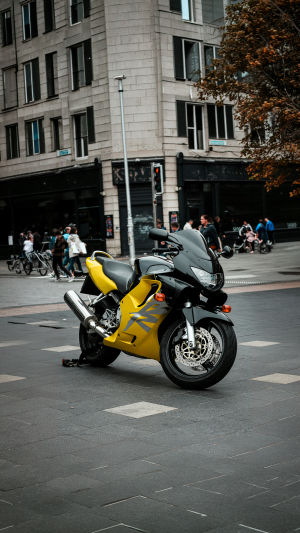
Rolling your bike out of the garage after it has been sitting for weeks? Before you twist the throttle, it’s essential to spend a few minutes inspecting your machine.
Neglecting basic maintenance checks can lead to mechanical failures at the worst possible moments.
Most of these checks take less time than waiting for your coffee to cool, yet they can save you from a breakdown or accident.
<h3>Start With a Visual Inspection</h3>
Begin with a slow, deliberate walk around your bike, paying attention to every panel, bolt, and junction. Bikes wear down gradually, and issues that seemed minor when your bike was new can become serious over time. If your bike is dirty, wash it first. Grime and road debris can easily hide leaks or cracks, and a clean surface makes potential problems far easier to spot.
Tires are among the most critical components. Always check the pressure with a proper gauge instead of relying on sight or feel. Inspect the tread carefully. Most tires have built-in wear indicators, and once the tread is flush with these bars, replacement is necessary. While inspecting the tires, examine the sidewalls for cracks, cuts, or embedded objects. Don’t forget the wheel bearings. Spin each wheel to feel for grinding and push or pull the wheel side-to-side to detect any excessive play.
<h3>Fluids: The Lifeblood of Your Bike</h3>
Engine oil should be checked warm on level ground using a dipstick or sight glass, depending on your motorcycle. Dark or low oil levels require topping up or changing. Brake fluid should appear clear rather than brown, while coolant levels are crucial for liquid-cooled motorcycles. If fork oil leaks appear along the fork legs, that signals maintenance is required. Transmission and clutch fluid should also be examined. Any change in color, texture, or consistency warrants further inspection, as fluids are often the first indicator of hidden problems.
<h3>Brakes, Battery, and Cables</h3>
Brake pads need careful attention. Most pads include a visible wear line, and when the material approaches the metal backing, replacement is necessary. Test the brake lever and pedal for firmness. A spongy lever is usually a sign of air in the brake line, which requires bleeding.
The battery plays a vital role in ensuring your electrical systems function reliably. A simple test is to turn the key halfway and observe whether the headlight illuminates fully. Flickering or dim lights indicate a weak battery and should be addressed with a battery tender before riding.
Cables, including throttle, clutch, and choke, must operate smoothly and snap back without sticking. Light lubrication can prevent wear, and frayed or damaged cables should be replaced immediately to avoid sudden failure while riding.
<h3>Chain and Lights</h3>
The chain is subjected to constant wear and environmental exposure. Correct tension is essential: a chain that is too loose will slap and risk disengagement, while one that is too tight strains the transmission. Cleaning and lubricating the chain regularly ensures smooth operation and prolongs its life.
Lights are not optional; they are a safety requirement. Test your headlight, taillight, turn signals, and brake light — both lever and pedal activation. Visibility on the road ensures not only your safety but also the safety of others.
<h3>Engine and Electrical Components</h3>
Spark plugs should be inspected periodically, particularly during seasonal maintenance. Cracks, heavy corrosion, or worn electrodes indicate it’s time for replacements. Properly functioning spark plugs ensure efficient combustion and smooth engine performance.
Regular observation and minor maintenance of all electrical components, from ignition to lights, help prevent mid-ride surprises. These steps, though simple, make a significant difference in the reliability and safety of your motorcycle.
A professional pre-ride inspection doesn’t need to be time-consuming. By taking a few minutes to examine tires, fluids, brakes, battery, cables, chain, spark plugs, and lights, you can prevent mechanical failures, enhance your safety, and keep your motorcycle performing at its best. Developing this routine builds confidence, protects your investment, and makes every ride more enjoyable. Safety on two wheels begins long before the first twist of the throttle.


