

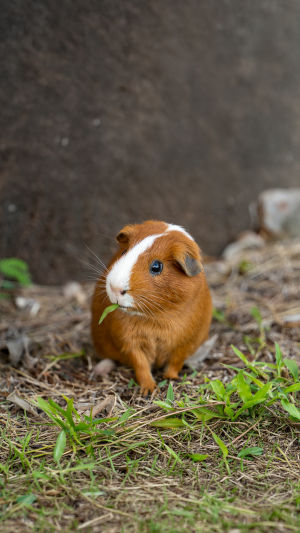
Friends, have you ever walked past your cavy’s cage only to find them suddenly frozen in place, motionless like a tiny statue? One second, they are nibbling hay or exploring, and the next, they seem completely still, barely blinking.
For many owners, this behavior feels alarming at first. Is your cavy scared, sick, or simply startled?
In reality, freezing is often tied to a deeply rooted survival instinct that has helped cavies stay alive for generations.
<h3>What Is the Freeze Response in Cavies?</h3>
Cavies sometimes experience a stress reaction called tonic immobility, often described as a freeze response. Instead of running, they remain perfectly still when something feels threatening or unpredictable. In the wild, cavies lived in open grasslands where predators such as birds of prey and small carnivores hunted by movement.
Staying motionless reduced the chance of being noticed. Unlike dogs or cats that may investigate strange sounds, cavies rely heavily on caution. A loud vacuum, a slammed door, footsteps vibrating through the floor, or even an unfamiliar shadow moving across the cage can trigger this instinctive pause.
Remaining still allows them to assess danger before deciding whether to hide or move. Freezing for a short period after a startling event is usually normal. Many cavies become motionless for several seconds before returning to eating, grooming, or interacting with their surroundings.
<h3>Common Triggers That Cause Cavies to Freeze</h3>
A cavy’s environment strongly influences how often freeze episodes occur. Because these animals are naturally prey species, even subtle changes may feel significant to them. Sudden noises rank among the most common causes. Television volume spikes, kitchen appliances, doorbells, barking dogs, or dropped objects can create enough surprise to stop a cavy mid-step.
Vibrations also matter more than many owners realize. Heavy footsteps near the enclosure or a washing machine running nearby may create stress, especially for sensitive animals. Environmental changes can also disrupt their sense of security. Rearranging cage layouts, replacing familiar hideouts, changing bedding texture, or introducing a new companion sometimes causes temporary nervousness.
Cavies thrive on predictability, so abrupt shifts may increase caution. New people or unfamiliar scents can create hesitation as well. Visitors reaching suddenly into the cage or strong smells from perfumes and cleaning products may make a cavy feel uncertain.
<h3>How to Tell the Difference Between Fear and Illness</h3>
Not every frozen cavy is simply startled. Context matters, and learning to observe body language can help distinguish fear from discomfort or medical concerns.
Fear-related freezing often looks tense and alert. The body may appear rigid, the eyes wide and open, and the ears slightly flattened or angled backward. Breathing might speed up temporarily, but once the source of stress disappears, the cavy usually relaxes and resumes normal activities.
When illness or pain contributes to stillness, other clues often appear. A cavy that remains hunched for long periods, refuses food, avoids movement, or stops grooming deserves closer attention. Cavies are highly motivated eaters, so skipping favorite vegetables or ignoring hay should never be dismissed lightly.
Dental problems, respiratory infections, digestive discomfort, or injury sometimes cause animals to sit unusually still to conserve energy or avoid pain. Squinted eyes, noisy breathing, nasal discharge, or dramatic behavior changes may point toward a health issue rather than temporary fear. If freezing repeatedly lasts several minutes or appears alongside appetite loss or breathing trouble, veterinary evaluation becomes important.
<h3>What to Do When Your Cavy Freezes</h3>
Seeing a motionless cavy can feel unsettling, but your response matters. Quick, dramatic reactions may accidentally intensify fear. First, reduce stimulation around them. Lower nearby noise, avoid sudden movements, and give them a quiet moment to process what happened. Cavies often recover faster when the environment becomes calm and predictable again.
Resist the urge to immediately pick them up unless necessary. For a frightened cavy, forced handling may feel overwhelming. Instead, sit nearby and speak softly in a steady tone so they recognize familiar sounds. Offering reassurance through routine also helps. A favorite vegetable, familiar hideout, or trusted fleece blanket can reinforce a sense of safety.
Cavies naturally relax when they regain control of their environment. Most importantly, observe breathing and posture. A frightened cavy generally settles within a short period. If breathing remains strained or behavior seems abnormal, monitor closely and seek professional advice.
<h3>Preventing Freeze Episodes Through Daily Care</h3>
Although occasional freezing is normal, reducing unnecessary stress improves a cavy’s confidence over time. Placement of the enclosure matters more than many people expect. A cage positioned near loud televisions, high-traffic hallways, or slamming doors may expose cavies to constant surprises. Quiet corners with stable temperatures between approximately 65–75°F (18–24°C) tend to support comfort.
Hideouts are essential rather than optional. Every cavy benefits from secure shelters where they can retreat when startled. Tunnels, fleece forests, and enclosed spaces mimic the protection they instinctively seek in nature. Routine also creates reassurance. Feeding at predictable times, handling gently, and introducing changes gradually reduce uncertainty. Even household sounds can become less intimidating through gradual exposure.
For example, allowing cavies to hear everyday noise at a comfortable distance often helps them become more confident. Regular observation remains one of the most valuable habits for owners. Spending a few quiet minutes each day watching posture, eating habits, vocalizations, and social behavior makes it easier to notice subtle changes before they become serious.
<h3>Understanding Fear Builds Better Trust</h3>
Cavies do not freeze because they are stubborn or unfriendly. In many cases, they are responding exactly as nature designed them to—carefully, cautiously, and with survival in mind. Learning to recognize when freezing signals normal caution versus possible illness allows owners to respond with patience instead of panic.
With time, consistency, and a calmer environment, many cavies begin to feel safer and more confident in the world around them.
The next time your cavy suddenly becomes still, take a moment to observe rather than react immediately. A brief pause may simply mean they are startled, while longer or repeated freezing could reveal stress or a deeper problem.


