

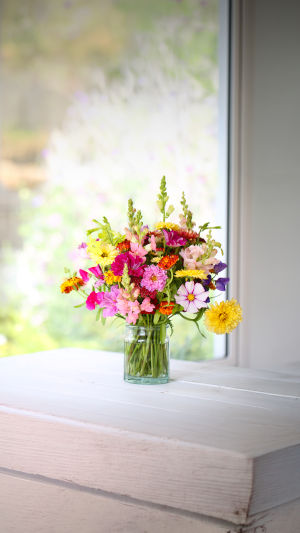
Have you ever noticed how a simple bouquet can instantly brighten your mood?
Floral therapy refers to the intentional use of flowers and plants to support mental and emotional well-being. It is more than decoration—it is a mindful practice that engages the senses and supports a deeper connection with nature.
Across cultures and history, flowers have been associated with calmness, renewal, and emotional expression. Today, floral therapy is increasingly viewed as a gentle, nature-based approach that may help reduce stress and support emotional balance.
<h3>Why Flowers Have a Positive Effect</h3>
Research in environmental psychology suggests that exposure to natural elements may support psychological well-being. The biophilia hypothesis proposes that humans have an innate connection to nature, which can contribute to stress reduction and emotional restoration.
Even brief exposure to flowers or greenery has been linked to improved mood and reduced anxiety. These effects are believed to come from sensory engagement such as color, texture, and natural fragrance, which help create a calming environment.
<h3>Practical Approaches to Floral Therapy</h3>
Floral therapy can be practiced in simple and accessible ways.
Flower arranging encourages creativity, focus, and mindfulness while providing direct interaction with natural materials.
Floral essences are liquid preparations derived from flowers and are used in some traditional wellness practices focused on emotional balance.
Another approach is placing fresh flowers in living spaces or spending time in natural floral environments to encourage relaxation and clarity.
<h3>Selecting Flowers for Well-Being</h3>
Flower selection can influence mood and emotional response. Warm colors like yellow are often associated with energy, while cooler tones like blue are linked to calmness.
Fragrant flowers such as lavender and jasmine are commonly used for their soothing scents, which may support relaxation.
Seasonal and low-maintenance flowers are often preferred for practicality and freshness.
<h3>Everyday Integration</h3>
Floral therapy does not require special training. Simple daily exposure to flowers, observing their colors and scents, or placing them in personal spaces can encourage mindfulness.
Spending time in natural environments may also support relaxation and emotional balance over time.
Floral therapy is a simple, accessible way to reconnect with nature and support emotional well-being. Through regular exposure to flowers—whether in small arrangements, natural settings, or daily surroundings—individuals may experience greater calmness, mindfulness, and emotional balance. It is not a complex practice, but a gentle reminder to slow down and engage with the natural world in everyday life.


