

Hi, Friends!
So you're standing at the crossroads of one of the most classic car debates ever, and it feels a bit like choosing between a cozy apartment and a big house with a yard.
Both are great, both have their quirks, and the "right" answer totally depends on who you are and what you do with your days.
<h3>What Exactly Are We Comparing?</h3>
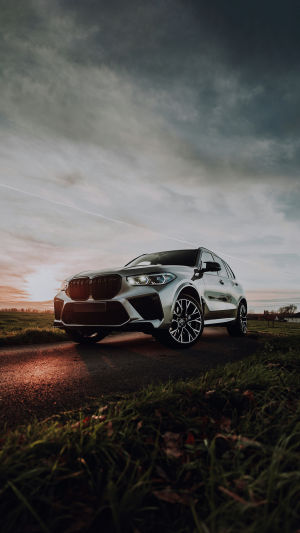
Let's set the stage. Sedans are your classic three-box cars, think sleek, low-profile, trunk in the back, and a silhouette that says "I have my life together." SUVs, on the other hand, are the tall, boxy, confident cousins that look like they just got back from a camping trip even when they've never left the city. They sit higher, carry more, and generally act like they own the road.
<h3>The Case for Sedans</h3>
Sedans are the unsung heroes of everyday driving. They're typically lighter, which means better fuel efficiency, and that is music to your wallet's ears. Their lower center of gravity makes them handle corners like a dream, so if you enjoy driving and want something that actually responds when you twist the wheel, sedans deliver that satisfying connection.
Parking? A sedan in a tight city parking lot is like a small dog at the dog park; it just fits everywhere without drama. Insurance costs also tend to be lower, and the purchase price is generally friendlier on the budget. If most of your driving is commuting, running errands, or weekend road trips with the family, a sedan genuinely ticks every box without breaking a sweat.
The downside? Ground clearance is limited, so if your idea of adventure involves gravel roads or even slightly aggressive speed bumps, you'll wince every single time. Cargo space is decent but not generous. And if you've got tall friends or a child in a rear-facing seat, fitting everyone in comfortably can feel like a game of Tetris.
<h3>The Case for SUVs</h3>
SUVs come in swinging with presence and practicality. The elevated seating position gives you a commanding view of the road, which many drivers genuinely love. It feels less like sitting in a car and more like piloting something. That higher ride height also means you can handle rougher terrain, flood-prone roads, or that sketchy dirt track leading to your favorite picnic spot.
Space is where SUVs absolutely shine. Third-row options exist for bigger families, boot space is cavernous, and loading groceries, strollers, or luggage doesn't require a physics degree. Towing capacity is another massive win if you've got a trailer, a boat, or anything that needs dragging somewhere.
Crossover SUVs, which blend sedan-like handling with SUV practicality, have actually narrowed the gap significantly. Many modern crossovers now offer fuel efficiency that rivals sedans, so the old argument of "SUVs guzzle fuel" is getting a little stale.
The trade-off? SUVs cost more upfront, cost more to insure, and still generally consume more fuel than sedans. Parking one in a cramped city garage requires spatial awareness and a small prayer. And their higher center of gravity means they don't handle sharp corners with quite the same confidence as a sedan.
<h3>Lifestyle Is the Real Deciding Factor</h3>
Here's the honest truth: the best car is the one that matches your actual life, not the one that looks coolest in the driveway. If you're single or a couple living in the city, commuting daily, and mostly need something efficient and easy to park, a sedan is your best friend. It costs less, drives sharper, and fits your routine perfectly.
If you've got a growing family, love weekend getaways, regularly carry a lot of stuff, or live somewhere where road conditions are unpredictable, an SUV makes your life dramatically easier. The extra cost is justified by the extra capability.
Families who do school runs, sports pickups, and the occasional camping trip? SUV, no contest. Young professionals who zip through city streets every day and value a smooth, engaging drive? Sedan, hands down.
<h3>Quick Comparison Recap</h3>
Sedans win on: fuel efficiency, handling, affordability, ease of parking, and lower running costs. SUVs win on: cargo space, passenger room, ground clearance, towing capacity, and that elevated driving position.
Both types now come with advanced safety features, modern infotainment, and strong reliability records, so neither is a bad choice. It really boils down to your priorities.
Ultimately, think about where you drive, who rides with you, what you carry, and how much you want to spend. Test drive both if you can, because sometimes your gut feeling after sitting in the driver's seat tells you more than any comparison chart ever will. Happy car hunting, and may you find the ride that truly feels like yours!


