

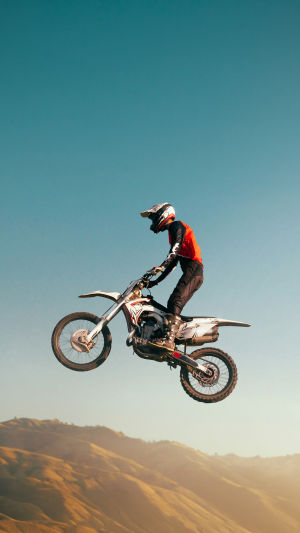
For many young riders, the thrill of riding a motorcycle is about freedom, adventure, and the open road. However, as the excitement of those first rides fades, safety quickly becomes a top priority.
Younger consumers—whether they're first-time buyers or seasoned riders—are increasingly prioritizing safety features when shopping for a bike. This shift is influenced by the growing awareness of the risks associated with riding and the increasing availability of innovative safety technologies.
Today, motorcycle manufacturers are responding to these concerns by designing bikes with enhanced safety features. Whether it's anti-lock braking systems (ABS), traction control, or advanced airbag systems, young riders are demanding motorcycles that offer both excitement and peace of mind.
<h3>Top Safety Features Young Consumers Demand</h3>
When it comes to motorcycles, safety is not just about a helmet or protective gear. It's about how the bike itself can help riders stay safe while on the road. Here are some of the most sought-after safety features by younger riders:
<b>Anti-lock Braking Systems (ABS)</b>
ABS is one of the most popular safety features on modern motorcycles. It prevents the wheels from locking during hard braking, helping riders maintain control during emergency stops. This technology is especially important for young riders, who may not have the same experience in high-pressure situations.
<b>Traction Control Systems (TCS)</b>
Traction control reduces the likelihood of wheel spin, which is especially useful in slippery or wet conditions. Young riders who may not yet be familiar with handling adverse weather conditions find this feature comforting as it helps prevent accidents caused by loss of grip.
<b>Cornering ABS</b>
For many young riders, mastering curves and turns is one of the most challenging aspects of motorcycle riding. Cornering ABS adjusts braking to maintain stability while cornering, helping prevent dangerous slides.
<b>Adaptive Lighting</b>
Smart lighting systems that adjust the motorcycle's headlights based on speed, angle, or lean are becoming more popular. These systems ensure that the road is illuminated more effectively, even when navigating tight corners or at night.
<h3>Why These Features Matter to Younger Consumers</h3>
The priorities of younger riders go beyond performance. They want bikes that make them feel confident and in control, especially when they're still getting used to handling a powerful machine. Motorcycles equipped with modern safety features offer reassurance, reducing the fear of accidents.
<b>Control in Critical Moments</b>
Safety features like ABS and traction control provide essential assistance during critical moments. For instance, a young rider on a rainy day might struggle with braking, but ABS can help prevent the wheels from locking, ensuring they maintain control.
<b>Reduced Risk of Injury</b>
In a crash, modern safety systems can help mitigate the impact, reducing the severity of injuries. Adaptive airbags, for example, are designed to inflate in a way that protects the rider without adding too much bulk or weight to the bike. This makes it safer for younger riders to enjoy the thrill of motorcycling without worrying as much about the consequences of a fall.
<h3>The Influence of Social Media and Peer Reviews</h3>
Social media and online reviews play a huge role in shaping the preferences of young consumers. With countless forums, blogs, and social platforms dedicated to motorcycle safety, young riders are more informed than ever. They share insights about the importance of safety features and rely on the experiences of others to make purchasing decisions.
Motorcycle review channels and influencers have also contributed to the growing demand for safer models. Many young riders seek out bikes with high safety ratings, often consulting online resources before making a purchase.
<h3>Safety as Part of the Motorcycle Culture</h3>
Motorcycle culture is often seen as rebellious and free-spirited, but there's a shift happening among younger riders. They're no longer just looking for bikes that look good or go fast—they want bikes that will help them stay safe. As the next generation of motorcycle enthusiasts enters the market, safety is becoming a key aspect of their identity as riders.
<b>Empowered Decision-Making</b>
As younger riders become more informed, they are taking charge of their own safety. They are willing to invest in motorcycles with top-tier safety features, even if those features come with a higher price tag. This demonstrates a shift in values: safety is no longer seen as secondary to speed or style.
<b>Education and Awareness</b>
Riding schools and safety courses are also gaining popularity among younger riders. These programs teach not just the basics of riding, but also how to use safety features effectively. As a result, riders are more likely to demand these features when purchasing their bikes.
<h3>The Road Ahead: A Safer Future for Motorcycling</h3>
As technology advances, the future of motorcycle safety looks promising. With new innovations on the horizon, such as collision warning systems and more advanced rider assistance technologies, young riders can look forward to even safer motorcycles.
While the thrill of motorcycling will always be a key part of the culture, younger consumers are proving that they value their safety just as much as their speed. By choosing bikes that incorporate modern safety features, they are shaping the future of motorcycling—one where the focus is on both performance and protection.
The road ahead for motorcycle safety is clear: younger riders are leading the charge, and the industry is listening. As new features become standard, riders of all ages will benefit from a safer, more secure riding experience.


