

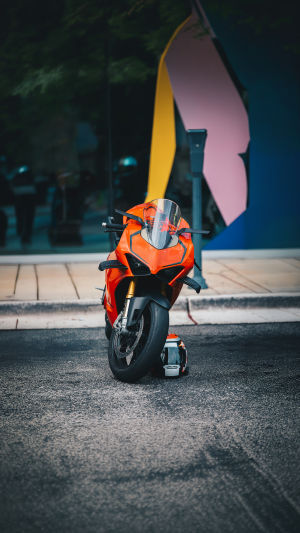
Ever felt your motorcycle engine getting unusually hot on a long ride? Overheating is a serious issue that can damage your bike, leading to costly repairs and potential breakdowns.
Whether you're cruising through city traffic or taking a road trip, maintaining a properly functioning cooling system is crucial for the longevity of your engine.
Here’s how to check and maintain your motorcycle’s cooling system to ensure it stays in top condition.
<h3>Understanding the Cooling System</h3>
Your motorcycle's cooling system is responsible for regulating the temperature of the engine and preventing it from overheating. Most motorcycles use either an air-cooled or liquid-cooled system. In air-cooled systems, the engine relies on surrounding airflow to dissipate heat. Liquid-cooled systems use coolant to transfer heat away from the engine.
Air-Cooled Engines: These rely on natural airflow and engine fins to dissipate heat. They are simpler and require less maintenance but may overheat during long rides or at low speeds.
Liquid-Cooled Engines: These use a radiator and coolant (usually a mixture of antifreeze and water) to remove heat. These systems are more efficient and are commonly found in modern motorcycles.
To prevent overheating, both systems should be checked regularly to ensure proper function.
<h3>Check the Coolant Level</h3>
In liquid-cooled motorcycles, coolant plays a vital role in maintaining a safe engine temperature. A low coolant level can lead to overheating and potential engine damage.
Locate the Coolant Reservoir: Most bikes have a transparent coolant reservoir near the radiator. Always check the coolant level when the engine is cool.
Top Up When Needed: If the coolant level is below the minimum mark, refill it with the recommended coolant type. Avoid mixing different coolant types, as it may reduce effectiveness.
Inspect for Leaks: If the coolant level drops frequently, inspect hoses and connections for possible leaks.
<h3>Inspect the Radiator</h3>
The radiator helps cool the coolant before it returns to the engine. Regular inspection is important to maintain proper performance.
Clean the Radiator Fins: Dust, dirt, and debris can reduce airflow. Clean gently using a soft brush or compressed air.
Check for Blockages: Ensure there are no obstructions that limit airflow through the radiator.
Examine for Damage: Look for cracks or leaks. Any damage should be repaired or replaced to prevent coolant loss.
Keeping the radiator clean helps maintain effective engine cooling.
<h3>Monitor the Thermostat</h3>
The thermostat controls coolant flow and helps maintain optimal engine temperature. A faulty thermostat can lead to overheating or unstable temperature control.
Test the Thermostat: If overheating occurs, the thermostat may be stuck. Check whether the radiator hose warms up as the engine heats.
Check for Leaks: Inspect the thermostat area for any coolant leakage.
A faulty thermostat should be replaced promptly to avoid engine issues.
<h3>Check the Cooling Fans</h3>
Electric cooling fans help regulate radiator temperature, especially at low speeds or when idling.
Inspect the Fan: Start the engine and allow it to idle. Confirm that the fan activates when the engine warms up.
Clean the Fan Blades: Remove dust and debris to ensure smooth operation.
Replace if Necessary: A non-working fan can lead to overheating and should be repaired or replaced immediately.
<h3>Maintain the Radiator Hoses</h3>
Radiator hoses transport coolant between the engine and radiator. Over time, they can wear out and cause leaks.
Inspect for Cracks: Check regularly for wear, cracks, or leaks.
Tighten Hose Clamps: Ensure all connections are secure to prevent coolant loss.
Check Hose Condition: Hoses should feel firm. Soft or weak hoses should be replaced.
Proper hose maintenance helps prevent sudden cooling system failure.
<h3>Final Thoughts</h3>
Maintaining your motorcycle’s cooling system is essential for preventing overheating and ensuring reliable performance. Regular checks of coolant levels, radiator condition, thermostat function, cooling fans, and hoses can help avoid serious engine damage. With consistent maintenance, your motorcycle will run smoother, cooler, and last longer.


