

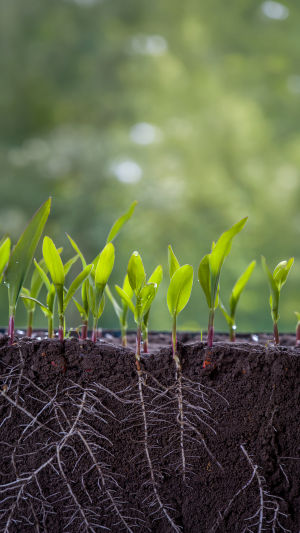
Plants rarely fail suddenly, Lykkers. Most of the time, they whisper first. A leaf shifts color, a stem leans differently, growth slows, or the soil behaves oddly. These signals are quiet, easy to miss, and often misunderstood.
The good news is that once you learn to notice these early hints, plant care becomes much easier. You stop reacting to problems too late and start adjusting conditions before damage builds up.
It feels less like guessing and more like a calm conversation with your plant.
<h3>What Plants Show Before Trouble</h3>
Plants communicate through small physical changes. They do not use dramatic signals at first. Instead, they send subtle clues that something is off. The key is learning to spot patterns, not just single signs.
<b>Leaves change before they fall</b>
Leaves are the first storytellers. Before dropping, they often change color, texture, or shape. A pale green leaf may suggest light issues. Yellowing may point to watering imbalance. Edges that look dry or crispy can hint at low humidity or irregular watering.
Pay attention to where the change appears. Lower leaves changing first may be part of normal aging. New leaves looking weak or pale usually signal a care issue. If only one side of the plant shows changes, light direction could be uneven.
Lykkers can use a simple weekly check. Look at both the top and underside of leaves. Notice color consistency, firmness, and any unusual spots. This quick habit often catches problems early.
<b>Growth slows without warning</b>
A healthy plant usually shows some form of growth over time. New leaves, longer stems, or stronger roots all signal balance. When growth quietly stops, the plant is often adjusting to stress.
This does not mean something is wrong immediately. Plants naturally slow during seasonal changes. But if growth pauses for too long during an active period, it may be time to review light, water, and soil conditions.
A helpful trick is to track one leaf or stem. Notice how it changes over a week or two. If nothing moves or develops, your plant may be holding back rather than thriving.
<b>Soil tells hidden stories</b>
Soil is easy to ignore because it looks the same on the surface. Yet it often reveals what is happening below. If soil stays wet for too long, roots may struggle. If it dries too fast, roots may not absorb enough water.
Smell can also provide clues. Fresh soil has a neutral or earthy scent. A sour or heavy smell can indicate poor drainage or unhealthy conditions.
Touch the soil gently. If it feels compacted, roots may lack air. If water pools on top instead of soaking in, the soil may need adjustment.
Plants depend on the invisible environment below the surface. Observing soil regularly helps you avoid problems before they reach the leaves.
<h3>How To Respond Before It Gets Worse</h3>
Noticing signals is only half the work. The next step is responding calmly and correctly. Overreacting can sometimes cause more harm than the original issue.
<b>Adjust one factor at a time</b>
When a plant shows stress, it is tempting to change everything at once. More water, more light, new soil, new location. This can confuse the plant even more.
Instead, adjust one factor and observe the result. If leaves look pale, increase light slightly. If soil stays wet, reduce watering frequency. If growth slows, check whether the plant needs more consistent conditions.
Give the plant a few days to respond. Plants need time to adjust. Quick changes may not show immediate results, but steady care often restores balance.
This approach helps you understand cause and effect rather than guessing repeatedly.
<b>Watch routine, not just symptoms</b>
Plant care works best when it becomes a rhythm. Instead of reacting only when something looks wrong, build a simple routine. Check soil moisture, observe leaves, and note growth regularly.
Consistency matters more than perfection. A stable routine allows plants to adapt and stay balanced. Sudden changes in watering, light, or placement can create stress even when the intention is good.
Lykkers can set a small care day each week. Spend a few minutes checking each plant. This turns care into a relaxed habit rather than a rescue mission.
<b>Learn your plant’s personality</b>
Each plant behaves differently. Some enjoy bright light and quick drying soil. Others prefer softer light and steady moisture. Observing your plant over time helps you understand its preferences.
Notice how it reacts to changes. Does it perk up after watering or stay the same? Does it lean toward light quickly or grow evenly? Does it respond to repositioning or resist change?
These patterns help you build a care style that fits your plant rather than following generic advice.
A useful mindset is to treat each plant like a quiet companion. It does not need constant attention, but it appreciates being understood.
Plants rarely fail without warning. They send quiet signals through leaves, growth, and soil long before visible damage appears. For Lykkers, learning to notice these small changes makes plant care simpler and more rewarding. Observe regularly, adjust gently, and build a steady routine. Healthy plants are not just maintained. They are understood.


