

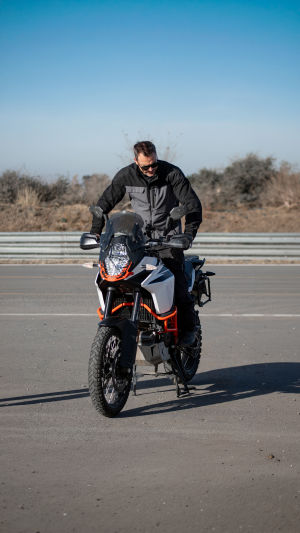
Hello, Lykkers! If you have ever heard the rumble of a row of motorcycles rolling into a parking lot and felt a pull of curiosity, you are not alone.
Motorcycle clubs have long been a source of fascination, often wrapped in mystery and a certain edge. But remove the Hollywood myths and what remains is something far more grounded: a network of people connected by a common love for two wheels, a set of shared values, and a deep sense of belonging.
These clubs are not uniform. Some are small local groups of a dozen friends who ride together every weekend. Others are large, structured organizations with chapters across regions. Despite the differences, nearly all share the same core principles: loyalty, respect, and mutual support. The club becomes an extended family. Members look out for one another on the road and off it. When someone faces a mechanical breakdown, a financial hardship, or a personal loss, the group rallies. This safety net is one of the most tangible benefits of club membership.
<h3>The Roots of Club Culture</h3>
The modern motorcycle club tradition traces back to the post-conflict era, when returning riders sought camaraderie and a sense of adventure. They formed groups to explore the open road and share experiences. Over time, distinct codes of conduct emerged. Patches on vests tell a story: a club's name, its territory, its achievements. The "colors" are worn with pride and are not to be taken lightly. This visual language creates an immediate identity and signals to others who you ride with.
Today, clubs still preserve these traditions, but they have also evolved. Many now emphasize charitable rides, safety training, and community service. Club rides raise money for hospitals, schools, and disaster relief. This shift shows how clubs use their collective power for positive impact beyond their own circle.
<h3>Community and Social Influence</h3>
Inside a club, members often form bonds that rival those of family. Regular meetings, group rides, and shared maintenance sessions create a rhythm of interaction. New riders learn from veterans, passing down skills like route planning, bike maintenance, and road etiquette. This mentorship cycle keeps the riding culture alive and safe.
Outside the club, the influence extends to the broader motorcycling world. Clubs set trends in custom bike builds, riding gear, and event organization. Local bike nights and rallies often revolve around club participation. Non-club riders also benefit from the visibility clubs bring to motorcycling as a lifestyle. When a club organizes a charity ride or a public safety course, it helps normalize and promote riding as a responsible hobby.
<h3>Challenges and Misconceptions</h3>
Of course, not everyone understands club culture. Media portrayals often focus on the outlaw image, which does not represent the majority of clubs. Most groups are law-abiding, family-oriented, and focused on the joy of riding. The challenge is to separate fact from fiction. Clubs themselves work hard to maintain positive reputations by hosting open houses, inviting the public to events, and cooperating with local authorities.
Another internal challenge is maintaining inclusivity. Historically, many clubs were male-dominated. Today, more clubs welcome women riders, and some all-female clubs have grown strong. Diversity is gradually becoming a valued part of the community, though there is still room for progress.
<h3>Why It Matters</h3>
Motorcycle clubs offer something increasingly rare in modern life: a tight-knit, offline community where personal commitment and face-to-face interaction matter. In a world of digital connections, the physical act of riding together and standing shoulder to shoulder at a meeting creates a powerful sense of place and purpose. For many members, the club is not just a hobby; it is a way of life that gives structure, friendship, and meaning.
So whether you ride solo or in a group, the next time you see a line of bikes with patches on their backs, remember that behind the leather and chrome is a network of people who have chosen to share the road and their lives. If club life appeals to you, consider attending a public ride or a local meeting. You might find more than a group to ride with. You might find a second family.


