

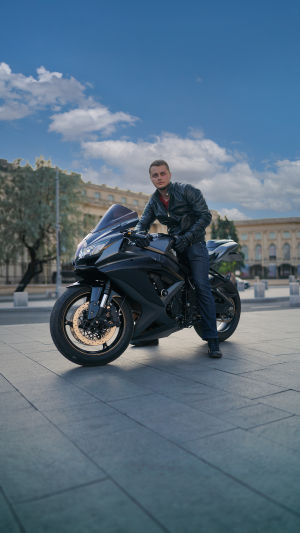
If you are stepping into motorcycling for the first time, the range of choices can feel overwhelming. The key is to focus on what makes a motorcycle beginner-friendly rather than what looks flashy.
A good first bike should build confidence, support skill development, and remain forgiving as you learn. The following guidelines will help you make a safe and informed choice.
<h3>Engine Size and Power Delivery</h3>
For beginners, engine displacement is one of the most important factors. A motorcycle in the 250cc to 400cc range is generally ideal. These engines provide enough performance for city riding and highway use while remaining predictable and manageable.
Look for smooth, linear power delivery rather than aggressive acceleration. Single-cylinder and parallel-twin engines are commonly preferred because they offer stable and easy-to-control performance. It is usually advisable to avoid motorcycles above 600cc until you have developed significant riding experience and control.
<h3>Seat Height and Weight</h3>
Comfort and control at low speeds are essential. When seated, you should be able to place at least the balls of your feet firmly on the ground. This improves balance and confidence during stops.
Seat heights around 28 to 31 inches are typically suitable for beginners, depending on rider height. Weight is equally important. Lighter motorcycles are easier to handle in tight spaces, parking situations, and slow-speed maneuvers. A wet weight under 400 pounds is often ideal for new riders.
<h3>Safety Features</h3>
Modern safety systems play a major role in rider protection. Anti-lock braking systems (ABS) are highly recommended as they help prevent wheel lock-up during sudden braking or slippery conditions.
Disc brakes on both the front and rear wheels are standard on most modern motorcycles and provide reliable stopping power. Some models may also include additional stability features that assist in low-traction situations. A smooth, light clutch system also helps reduce fatigue and improves control in stop-and-go traffic.
<h3>Budget, Insurance, and Maintenance</h3>
The cost of owning a motorcycle extends beyond the purchase price. Insurance costs can vary significantly depending on the model, performance level, and rider profile, so it is important to check insurance estimates before deciding.
Maintenance costs should also be considered. Motorcycles with simple, proven engineering typically offer lower servicing costs and easier access to spare parts. Many riders choose a well-maintained used motorcycle as a first bike to reduce overall expenses.
A reasonable total budget for a first motorcycle, including gear, is often in the range of $3,000 to $6,000 depending on condition, age, and location.
<h3>Fit and Test Ride</h3>
A proper fit is essential for comfort and safety. When sitting on the motorcycle, your posture should feel natural, with relaxed arms and slightly bent knees. Handlebars should not force you to stretch or lean uncomfortably forward.
If possible, perform a short test ride in a safe environment. Pay attention to balance at low speeds, throttle response, braking feel, and gear shifting smoothness. A well-balanced motorcycle should feel stable and intuitive even at slow speeds.
<h3>Common Mistakes to Avoid</h3>
Avoid choosing a motorcycle based only on appearance or performance potential. A powerful bike may seem appealing, but it can make learning more difficult and less safe.
Do not overlook riding position. Aggressive forward-leaning postures can cause discomfort and reduce control for beginners. Similarly, avoid motorcycles that feel too heavy or unstable at low speeds.
Finally, consider long-term practicality. Models that are commonly used by beginners often have better resale value and easier maintenance when you decide to upgrade.
Choosing your first motorcycle is about finding the right balance between control, comfort, and confidence. A lightweight machine with moderate power, beginner-friendly ergonomics, and essential safety features will help you develop skills steadily and safely. Take your time, compare options carefully, and choose the motorcycle that feels natural and easy to manage.


