

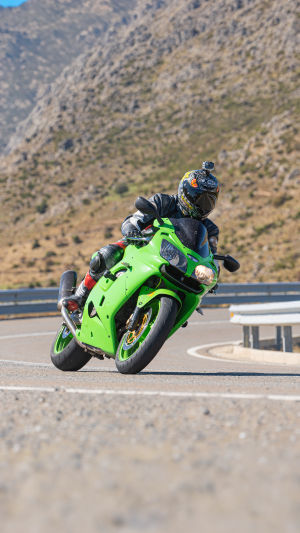
Lykkers! The roar of engines, the blur of colors as motorcycles lean into corners at extreme angles, and the split-second decisions that define champions capture the essence of global motorcycle racing.
Global motorcycle racing is more than a sport; it is a fusion of engineering precision, human endurance, and pure competitive passion. Across the world, elite championships such as MotoGP and production-based superbike competitions bring together riders and fans who are united by a love of speed, skill, and innovation.
<h3>The Engineering Marvels on Two Wheels</h3>
Modern racing motorcycles represent the peak of mechanical and electronic development. In premier prototype racing, machines are built entirely for performance, using lightweight composite materials, highly advanced chassis design, and sophisticated electronic systems that optimize traction, stability, and acceleration.
These machines are capable of exceeding 350 km/h, showcasing how far motorcycle engineering has progressed. In production-based superbike racing, modified street motorcycles are pushed to their limits, demonstrating how real-world technology evolves through competition before reaching everyday riders.
<h3>The Human Element: Athletes Behind the Machines</h3>
Riders in elite motorcycle racing are exceptional athletes. They experience extreme physical forces during braking and cornering, requiring outstanding core strength, endurance, and reflex control.
Training focuses on balance, neck strength, reaction speed, and cardiovascular fitness. At racing speeds, decisions happen in fractions of a second, where even the smallest error can change the outcome of a race.
Beyond physical ability, mental discipline plays a crucial role. Riders must manage tire performance, race conditions, and strategic positioning while maintaining complete focus under pressure.
<h3>Global Stages and Varied Challenges</h3>
Motorcycle racing takes place across diverse environments worldwide, with each circuit presenting unique technical demands. Some tracks emphasize precision and tight cornering, while others reward high-speed stability and courage through flowing sections.
Different surface conditions and weather variations further increase the challenge, requiring teams and riders to adapt continuously. This global variety enhances the sport’s depth and keeps competition unpredictable and engaging.
In competitions such as World Superbike Championship, the balance between machine setup and rider adaptability is especially important due to the close relation between race bikes and street motorcycles.
<h3>The Unpredictable Drama of Racing</h3>
One of the most captivating aspects of motorcycle racing is its unpredictability. Changing weather, tire strategy, mechanical limits, and momentary mistakes can completely reshape a race outcome.
Overtaking at high speed, often within minimal margins, creates constant tension throughout each race. The dynamic nature of competition ensures that no result is guaranteed until the final moments, keeping audiences fully engaged.
<h3>Accessibility and Modern Fan Experience</h3>
Advancements in broadcasting and digital technology have made motorcycle racing more accessible than ever. Real-time data tracking, onboard camera views, and enhanced race analysis allow fans to experience events with greater depth and clarity.
Interactive platforms and simulation tools also allow enthusiasts to understand racing techniques and track dynamics more closely, strengthening the connection between fans and the sport.
Global motorcycle racing continues to captivate audiences because it unites advanced engineering, elite athletic performance, and unpredictable competition into one powerful experience.
Lykkers, whether watching casually or following closely, each race offers a unique display of precision, courage, and human-machine harmony at its highest level.


