

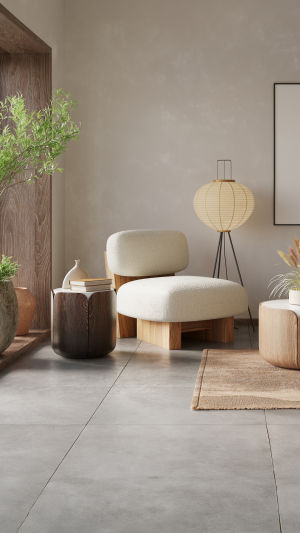
Dear Lykkers, when we think about home, it is not only a place to stay, but also a space that reflects how we feel inside. Today, we explore a popular interior approach inspired by simplicity and natural balance.
It helps us build a peaceful home atmosphere through carefully chosen tones and thoughtful material combinations. Let’s walk through how we can shape a soft, grounded living space together.
<h3>Natural Foundation of Color</h3>
In this design approach, we begin with colors that feel close to nature. Soft beige, light gray, and clean white form the base of the entire space. These tones help us create a calm and open feeling, making rooms look brighter and more comfortable.
We often rely on neutral shades like charcoal gray and soft black to add quiet structure to the environment. These tones do not overpower the space but instead help balance light and shadow, giving the home a gentle depth.
At the same time, we can introduce a small amount of cool tones such as soft blue or muted green. These colors act like fresh air in the room. However, we keep them minimal so the overall atmosphere remains steady and harmonious.
By combining these layers, we build a foundation that feels stable, soft, and naturally connected.
<h3>Thoughtful Material and Detail Choices</h3>
Once the base colors are set, we turn our attention to details that bring the space to life.
For furniture, we focus on simple shapes and natural textures. Light wood surfaces, such as pine-inspired or oak-inspired finishes, help create a warm and grounded feeling. We avoid overly complex designs and instead choose clean lines that feel relaxed and timeless.
For soft materials like curtains, cushions, and covers, breathable fabrics such as cotton and linen work best. These textures allow the room to feel light and comfortable. Their colors usually follow the same palette as the walls, keeping everything visually connected.
Plants also play an important role. Simple green plants like trailing vines or upright leafy types bring a gentle sense of vitality into the room. They blend naturally with the surrounding tones and help soften the overall look.
Every detail works together quietly, shaping a space that feels complete without being overwhelming.
<h3>Keeping Balance and Avoiding Visual Clutter</h3>
When working with this style, balance is essential. We aim to keep the environment simple and calm, so it is important not to introduce too many colors or strong patterns.
If too many visual elements appear at once, the space can feel busy and lose its peaceful character. Instead, we stick to soft tones and allow empty space to play its role. Negative space is not empty in feeling—it actually helps the design breathe.
Another key point is lighting. Very dark environments can make the room feel closed and heavy. To avoid this, we prefer light and neutral shades that reflect natural brightness. This helps maintain an airy and open atmosphere throughout the day.
Through careful control, we ensure the home remains visually smooth and emotionally comforting.
<h3>Creating a Unified Living Atmosphere</h3>
When all elements come together, we begin to see the full picture of this design approach. The combination of natural tones, simple furniture, soft fabrics, and greenery creates a living space that feels steady and welcoming.
We are not aiming for perfection or complexity. Instead, we focus on authenticity and ease. Every corner of the home becomes part of a gentle rhythm that supports daily life.
This approach also allows flexibility. As our lifestyle changes, small adjustments in tone or texture can refresh the space without disrupting its harmony.
In the end, what we create is not just a decorated room, but a living environment that supports calm thinking and simple comfort.
<h3>Closing Thoughts</h3>
Lykkers, designing a home is a personal journey. Through soft color choices and natural materials, we can slowly build a space that feels honest and peaceful.
We hope this guide inspires us to look at our surroundings with a fresh perspective. Maybe the next step is to observe our own space and notice what small changes could bring more balance and comfort. A calm home is not built in one moment—it grows with us over time.


